California's insurance market has been in visible distress since the January 2025 fires, and the shorthand explanations for it have hardened into assumptions that do not all survive contact with the numbers. Drawing on a CalMatters explainer, here are four of the most common, and what the figures actually show.
Myth 1: This is a homeowners' problem, and mostly a wealthy one
It is not. About 44 percent of California residents do not own their homes, and the crisis reaches them anyway. Landlords facing higher premiums pass the cost into rent. Operators of affordable housing have been hit hard enough that some insurers stopped covering their commercial properties, pushing them toward lightly regulated "non-admitted" carriers or into spending down reserves. And auto insurance, which nearly every driver is required to carry, now ranks among the most expensive in the nation. The people with the least room to absorb a price increase are squarely inside this story.
Myth 2: It is all Sacramento's fault
Regulation is a fair subject for argument, but the "blame the regulators" frame runs into an inconvenient comparison. Florida, with a far lighter regulatory touch, has the most expensive home insurance in the United States. The common thread across states is climate-driven risk, not any one legislature. California's Proposition 103, the 1988 measure that governs how rates are set, has kept the state's premiums roughly in the middle of the pack rather than at the top. None of this means state policy is beyond criticism, the Insurance Department's power over how claims are handled is genuinely limited, but the idea that regulators alone created the crisis does not hold.
Myth 3: Insurers are struggling to stay afloat
The industry's own filings say otherwise. Insurers reported record profits last year, taking in $68.7 billion in premiums against $25.3 billion in 2024, and their reserves reached an all-time high of $1.27 trillion. Compensation for the chief executives of the ten largest insurers came to $134 million in 2024. That does not settle whether any given rate increase is justified, individual companies and lines can lose money even in a profitable year, but the picture of an industry on the ropes is not what the numbers describe.
Myth 4: The FAIR Plan is a government program
The FAIR Plan is the insurer of last resort, and it is widely assumed to be state-run. It is not. It is an association of insurance companies, which all admitted carriers are required to join, governed by a board of industry insiders and operating with limited transparency. Its growth is the clearest single sign of market strain: as of March it held 684,000 policies, up 152 percent since 2023. And it covers less than people expect, fire only, so customers carrying it often need separate policies for other perils and pay more for the narrower coverage.
The backdrop
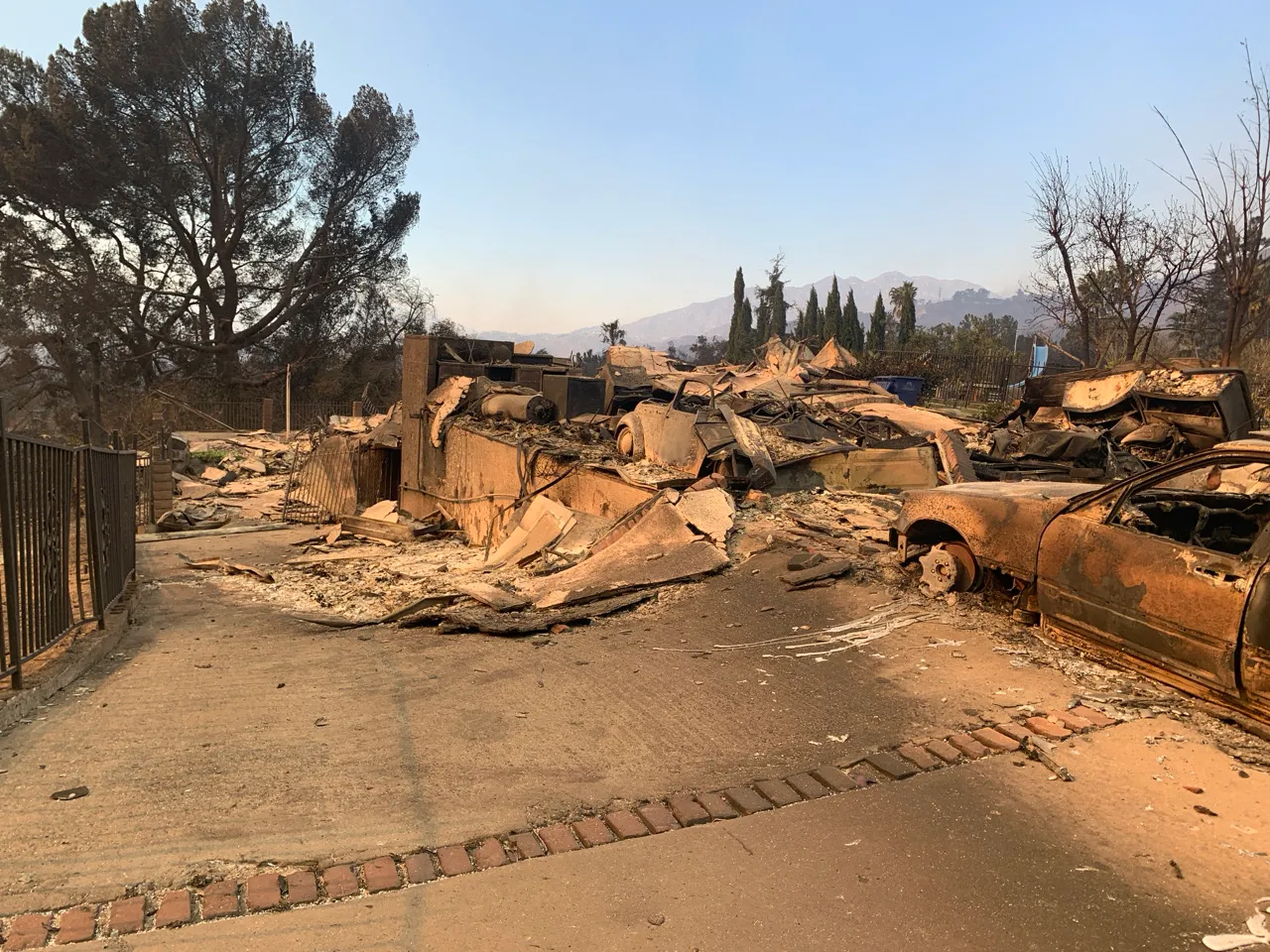
All of this sits on top of the January 2025 fires, which CalMatters notes produced $37.5 billion in losses and have been called the costliest fires in world history. State Farm was found to have violated the law in handling Los Angeles fire claims, with penalties awaiting an administrative hearing, and the state has sued the FAIR Plan over denied smoke-damage claims. Insurance Commissioner Ricardo Lara's term ends this year, and some fire survivors have called for his resignation.
The through-line is that the crisis is broader, more national, and more complicated than the tidy versions suggest. Understanding it starts with letting go of the assumptions that make it simple.