
A note on sourcing before the facts. This account is drawn from a single news outlet's reporting of federal statements, ABC7. The Herald was not able to corroborate the specifics independently in time for this account, and readers should weigh it accordingly. We are running it because a food safety recall is actionable information and the central facts come from the FDA itself.
The reversal
Over the weekend the FDA was reported to have a positive test for the parasite on lettuce from Taylor Farms. That result, the agency now says, was a false positive.
The FDA's current position, per ABC7, is blunt: "at this moment, FDA has not identified a single positive product test." In other words, the physical evidence that a specific product was contaminated is not there.
And yet the agency is keeping a recall in place. That is not a contradiction, and the reason is worth understanding.
Why a recall stands without a positive test
Outbreak investigations rest on two kinds of evidence. One is a laboratory result finding the pathogen on a product. The other is epidemiological: the pattern of who got sick, when, and what they had eaten in common.
The FDA describes the epidemiological evidence here as "overwhelming," even without a confirmed positive test. When a large number of people who fell ill share one specific food, that pattern can justify a recall on its own, and often does. A false positive removes one piece of lab evidence; it does not erase the pattern of illness.
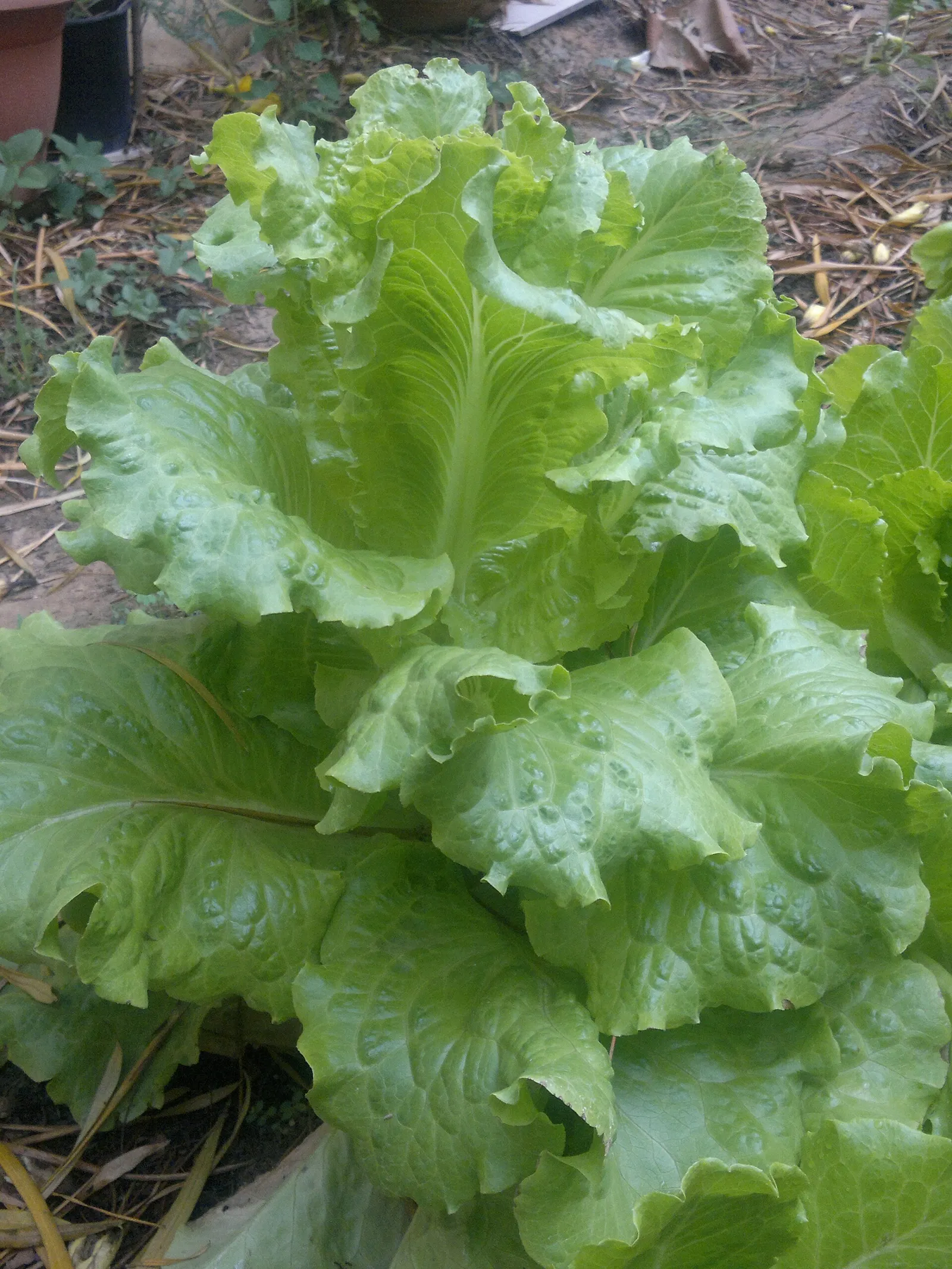
Taylor Farms de Mexico issued a voluntary recall of iceberg lettuce grown in central Mexico and distributed between June 29 and July 16, with best-by dates running through August 3, affecting a large number of states.
The Herald has not obtained a separate statement from Taylor Farms beyond the recall itself, and is not characterizing the company's position further.
What cyclospora is
Cyclosporiasis is an intestinal illness caused by a microscopic parasite spread through contaminated food or water. Symptoms usually begin about a week after exposure and include watery diarrhea, cramping, bloating, nausea, loss of appetite and fatigue that can persist for weeks if untreated. It is treatable with antibiotics, which is why identifying it matters: the illness responds to the right prescription and drags on without it.
What the reporting says about scale
The figures in the ABC7 account are large, and because the Herald cannot independently confirm them, they are reported here explicitly as that outlet's reporting of federal data rather than as our own verification.
The account describes five investigated clusters, several concluded, and a case count reaching into the thousands in the hardest-hit states, concentrated in the Midwest and Ohio Valley. It ties the largest cluster to shredded iceberg lettuce served at a restaurant chain in five states.
We are naming the specific restaurant claim cautiously and not building on it, precisely because it identifies a company and we cannot corroborate it. The load-bearing, actionable facts are the recall and the product description.
What a reader should do
If you have iceberg lettuce at home with a best-by date in the recall window and any uncertainty about its source, the low-cost move is to throw it out.
If you have eaten iceberg lettuce recently and have watery diarrhea, cramping or unusual fatigue, contact a doctor and mention cyclospora specifically, because it is treatable and the treatment is not what a physician would reach for by default.
The California connection is direct: Taylor Farms is a major California-based produce company, and this state's agricultural economy is built substantially on leafy greens. An outbreak investigation of this kind, even one where the lab evidence has just been walked back, matters here as an industry story as much as a health one.
What is still unknown
The mechanism of contamination, if there is one, has not been established: not the farm, not the processing, not the distribution. With no confirmed positive test, the FDA is working from the pattern of illness rather than from a found source.
The Herald will update this as the agency releases more, and will strengthen the sourcing when the budget to do so is available.