

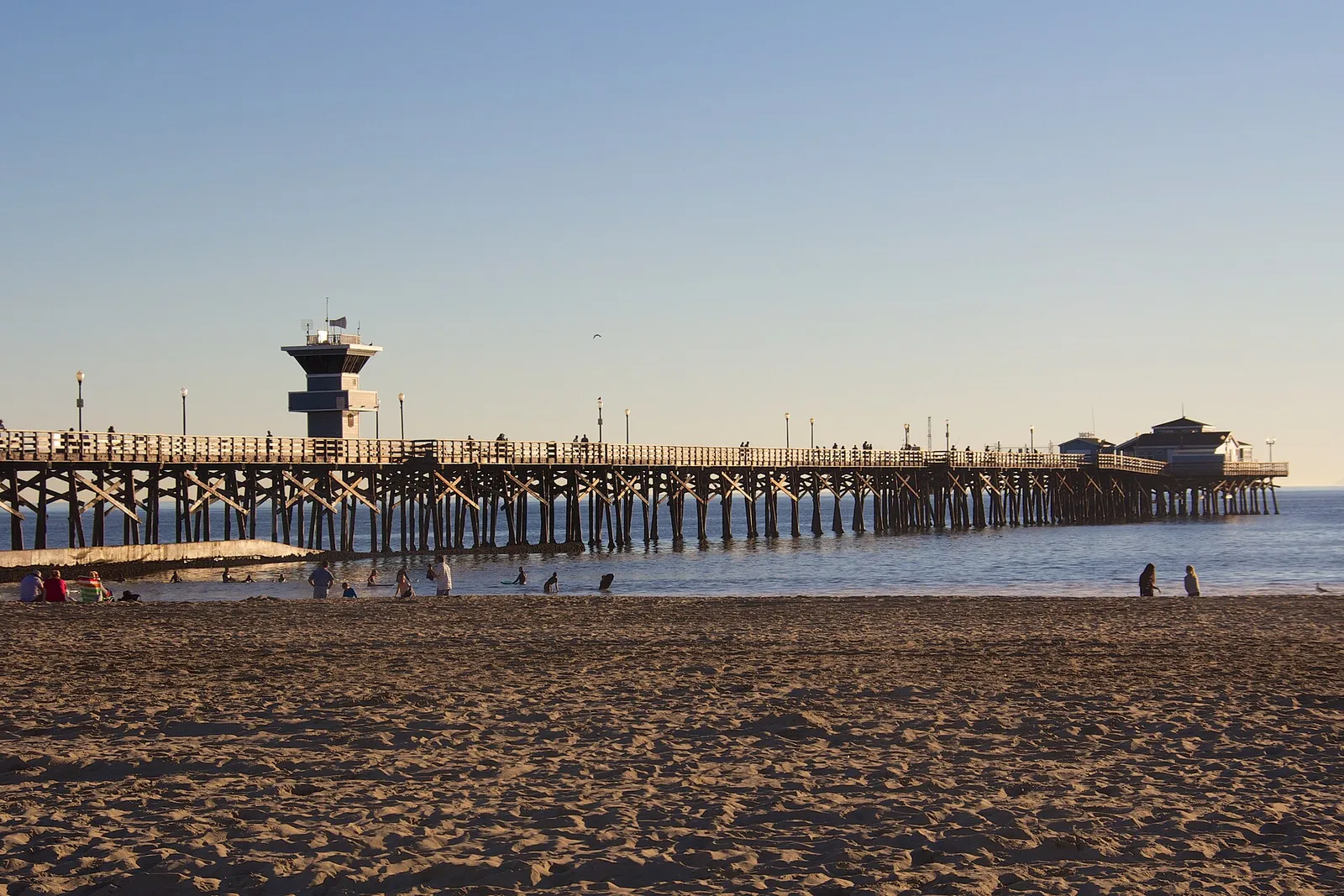
Stephanie Potter was crossing at Ocean Avenue and Main Street in Seal Beach around 5:30 in the evening, in March, when a teenager on an electric motorcycle hit her. She is 72. She spent two weeks in intensive care and four in rehabilitation, with fractures to her right shin, her left hand, her nose and her jaw, she told ABC7. Four months later she is still recovering, with jaw surgery ahead.
The teenage rider was not hurt, according to the Seal Beach police.
The distinction that matters
The vehicle was described as an illegal Sur-Ron, and the difference between what that is and what people picture when they hear "e-bike" is the whole point of Potter's campaign.
An e-bike, in the legal sense California uses, has pedals and a motor that assists up to a capped speed. A Sur-Ron and machines like it do not. They are electric motorcycles: no functional pedals, far more power, and speeds that reach well into motorcycle territory. Under California law that makes them motor vehicles requiring a license, registration and insurance, which means they are not legal for an unlicensed minor to ride on the street at all.
The reason this matters is that the two get sold, bought and gifted as if they were the same thing. A parent who would never hand a 14-year-old the keys to a motorcycle may not register that a Sur-Ron is one, because it looks like a chunky bicycle and is marketed in the same aisle of the internet.
What Potter is asking for
Notably, Potter is not calling for the teenager to be punished. Her emphasis is on education.
"It's to educate," she said. "The people need to understand, if you allow your child to travel on an e-bike, there's rules and regulations to follow that come with that."
It is a generous position from someone who spent two weeks in an ICU, and it points at the real leverage. The rider in a case like this is a child, and the decision that put a 60-mile-an-hour machine under that child was made by an adult. Potter is aiming her argument at the adults. She plans to tell her story at a Seal Beach Rotary Club safety luncheon on July 28.
The wider problem, stated carefully
Southern California beach towns have seen a visible rise in teenagers on high-powered electric bikes, and with it a rise in crashes. The Herald does not have verified regional injury figures to put a number on it, and is not going to invent one, but the pattern is familiar to anyone who has walked a boardwalk in Orange County in the past two years.
The enforcement picture is genuinely difficult, and worth acknowledging rather than sloganizing. Police can cite riders, but the riders are often minors; the machines are legal to sell and legal to ride on private property, so the line is crossed only on the public street; and a citation does not undo a collision. Several California cities have tried ordinances, education campaigns and confiscation, with mixed results.
None of that is a reason to do nothing. It is a reason to be honest that the fix is not a single law. What Potter is doing, telling the story to rooms full of parents, is aimed at the one point in the chain where a decision actually gets made: before the machine is bought, by the adult buying it.
If you have one at home
The practical takeaways are simple. If the thing in your garage has no working pedals and will do highway-adjacent speeds, it is probably an electric motorcycle, not an e-bike, and it is probably not legal for your unlicensed teenager to ride on the street. Helmets are not optional at those speeds. And a crosswalk at dusk, where a 72-year-old was doing everything right, is exactly the kind of place these collisions happen.