
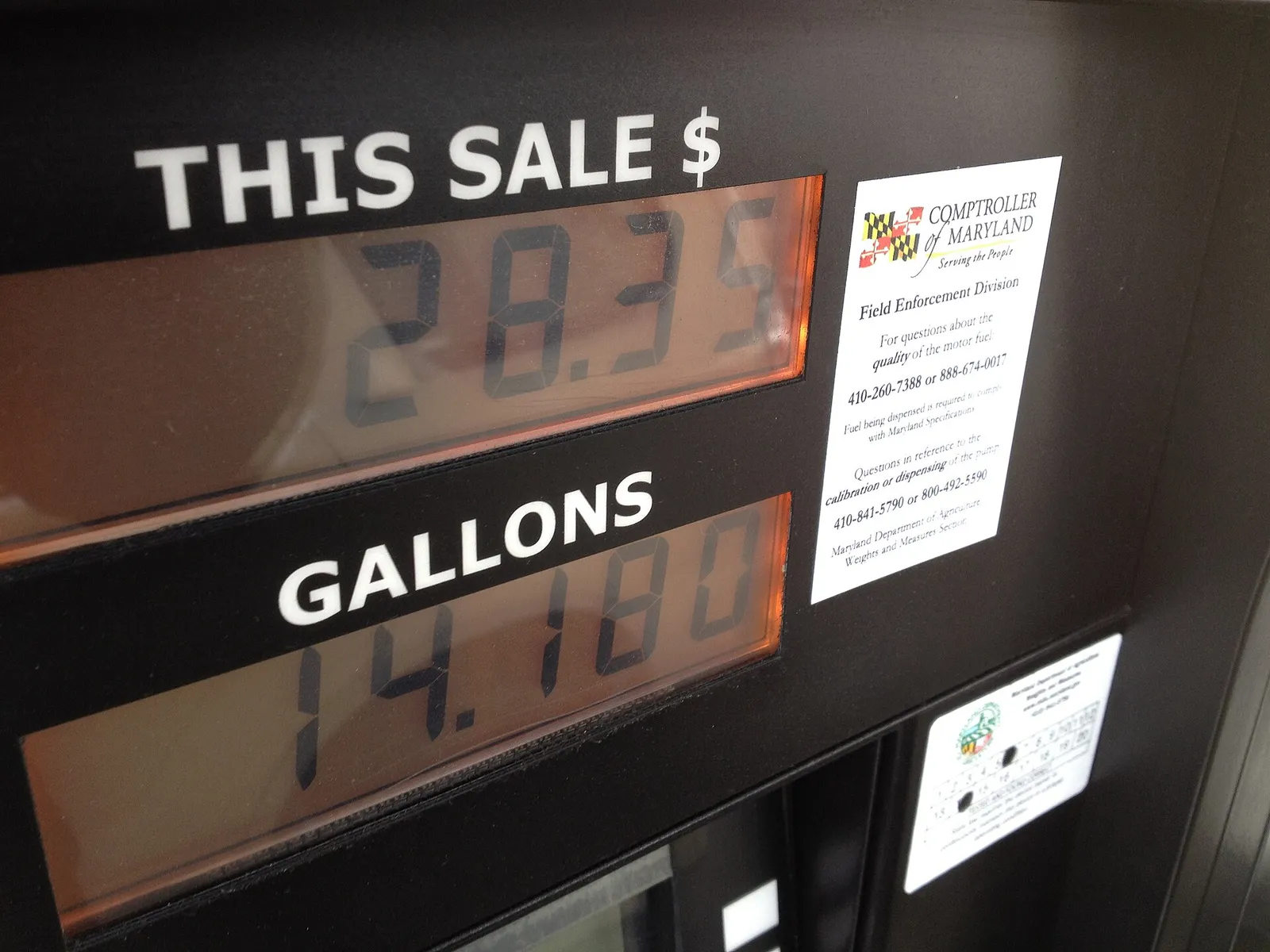
The national average price of gasoline reached about $4.00 a gallon on Monday, according to AAA data reported by ABC7, up 13 cents, or 3 percent, over the past week. The renewed war between the United States and Iran is the driver.
A clarification up front, because it changes how an Angeleno should read the number.
Why $4 national is the real signal
California gas is almost always well above the national average. The state's cleaner-burning fuel blend, its higher taxes, and its refinery capacity constraints combine to keep pump prices here structurally elevated, often by a dollar or more per gallon. A $4.00 California price would be relatively cheap; a $4.00 national price is the news.
So when the U.S. average crosses $4, it does not mean Angelenos are suddenly paying $4. It means the global cost pressure has risen enough to push up the baseline everywhere, and California, starting from a higher floor, moves up from there. This story does not have a verified Los Angeles metro average to give you, and rather than invent one, the honest framing is that the national move tells you the direction, and your local price is above it.
What is pushing it
The cause is oil, and the cause of the oil move is the war. ABC7's report describes the conflict as having triggered one of the largest oil shocks on record, with the national gasoline average reaching as high as $4.56 on May 21 before easing.
The mechanism runs through the Strait of Hormuz, the passage that carries roughly a fifth of the world's seaborne oil. When strikes and counterstrikes threaten shipping through it, the price of crude rises on the risk alone, before a single barrel is actually lost, and refined gasoline follows.
That is why a war in the Persian Gulf shows up at a gas station in the San Fernando Valley within days. The connection is not political; it is the price of the raw material.
The context an Angeleno actually needs
Two things are worth holding at once.
First, this is a real cost. For a household commuting across the region, a sustained increase of even 30 or 40 cents a gallon is a meaningful monthly hit, and it lands hardest on the people with the longest drives and the least flexibility about when they fill up, which in this region correlates strongly with lower incomes and the eastern and northern edges of the metro.
Second, the May peak of $4.56 nationally has already come down once, which is a reminder that risk-driven spikes can reverse quickly when the risk recedes. Prices set by fear of a supply disruption fall when the fear does, and they can do it faster than they rose.
What would change it
The single largest variable is the war. A move toward de-escalation, or credible assurance that the strait will stay open, would take the risk premium out of crude and pull pump prices down. A widening of the conflict, or an actual interruption of Gulf shipping, would do the opposite and quickly.
For now the advice is unglamorous and unchanged: the price is elevated because of something happening 8,000 miles away, it is higher here than the national figure you will see quoted, and it will move with the war rather than with anything a California driver can control.