

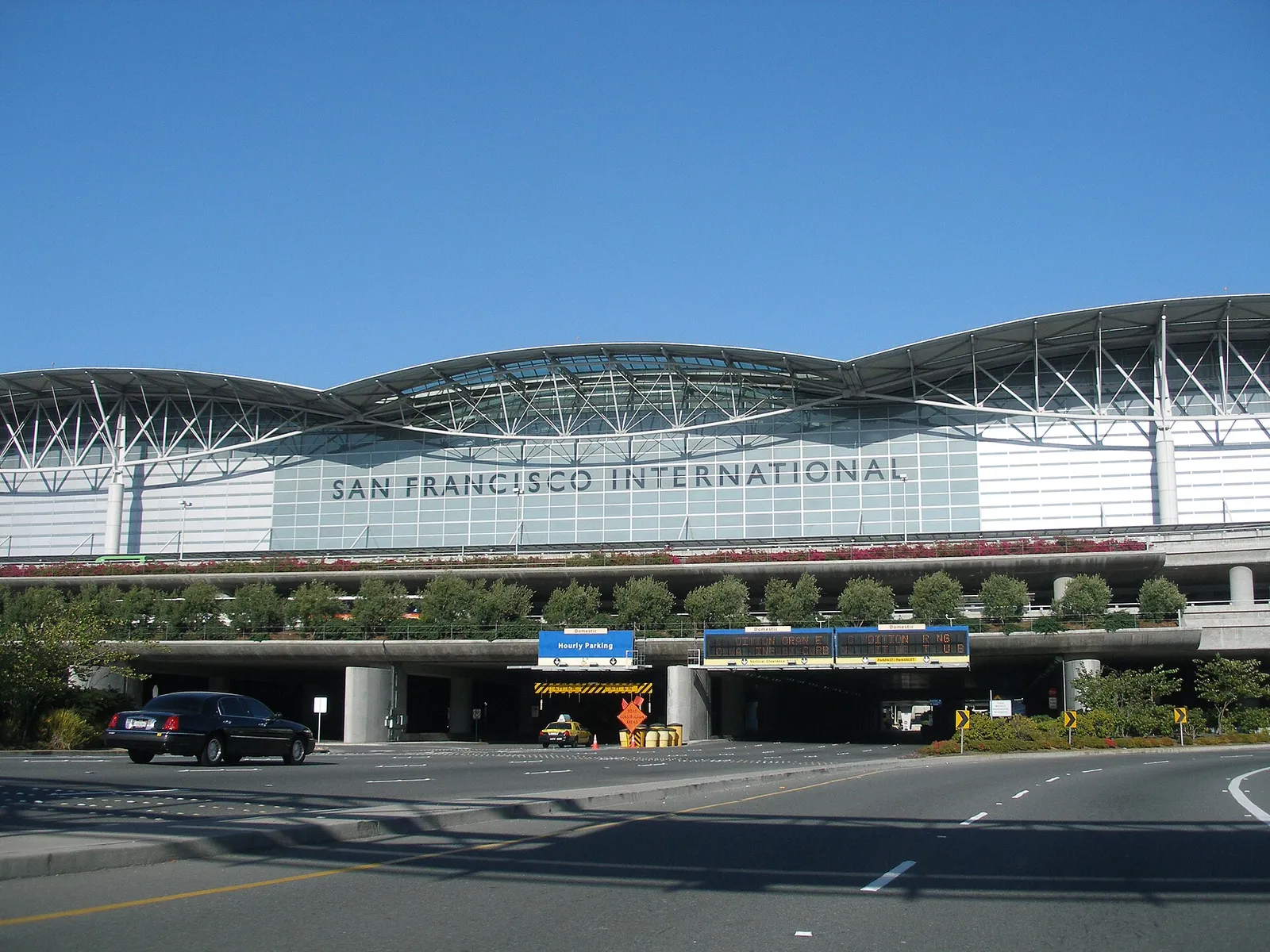
A ticketing dispute at San Francisco International Airport turned into something else on July 14, when a United Airlines agent told a passenger she might call federal immigration authorities on him.
What happened
Julio Varela, from San Ramon in the East Bay, was trying to fix an error on his daughter's ticket, on which her middle and last names had been reversed. That required hours of back-and-forth between the United and Air Canada counters, according to ABC7 News, which reviewed footage of the encounter.
During the dispute the agent told Varela, "Maybe we should call ICE on you." When he questioned that, she added, "Maybe you need to be. Because you don't act like a citizen."
Varela, who is of Mexican heritage, described the remark as shocking. Both he and the agent recorded the interaction. ABC7 blurred the agent's face in the video it aired.
What is verified, and what is not
This account comes from a single outlet's reporting and its review of the recording, and the Herald has not independently examined the footage. The core of it, the two quoted remarks, is on video per ABC7's account, which is a stronger form of evidence than a he-said dispute.
The reporting does not establish Varela's citizenship status, and it does not need to. That is precisely the point of why the remark landed as it did: a threat to summon immigration enforcement over a clerical error, tied to a judgment about whether someone "acts like a citizen," does not depend on the target's actual status to function as intimidation.
United's response
United said, "We're looking into the interaction in this video, but don't have anything additional to share at this time." Varela told ABC7 that a representative had contacted him initially and then stopped responding.
The Herald will report the outcome of the airline's review when it is announced, and will update if United takes disciplinary action or offers an account of the agent's side, which is not yet on the record.
Why it resonates here
This happened at SFO, not LAX, but the nerve it touches runs the length of California.
Immigration enforcement has been one of the most charged subjects in the state for the past year, and Los Angeles in particular has been a focal point of raids, protests and disputes over the reach of federal agents. In that climate, an invocation of ICE by a frontline employee of a private company, over a customer-service disagreement, reads to many Californians as a threat that draws on the power of the state without any of its authority.
A gate agent cannot deport anyone. The unsettling part is not that the threat was real in a legal sense. It is that "we should call ICE on you" has become, for some, a available way to end an argument, and that the person on the receiving end has to weigh whether it is a bluff.
That is a change in the texture of ordinary public life in California, and it is worth noticing when it surfaces at an airport counter over a misspelled name.