
The Trump administration announced a 50 percent tariff on a wide range of Canadian goods on Monday, one of its sharpest trade actions against a neighbor and treaty partner.
What it covers
The tariff applies to dairy, alcohol, food products, construction materials, clothing, furniture, technology and car parts, according to reporting carried by ABC7. Wine, hockey sticks and cement were named as examples.
Exempt are energy, fish, potash subject to separate Section 232 tariffs, and critical minerals. Those exemptions matter: energy in particular is a large share of what the United States buys from Canada, and leaving it out limits the direct hit to fuel and electricity prices.
The duty takes effect 30 days from Monday's announcement, which places it in mid-to-late August.
The legal route
The administration is using Section 338 of the Tariff Act of 1930, signing three proclamations under it. An official described 50 percent as "the highest rate the president can impose under Section 338."
That authority is worth noting because it is unusual. Most of the administration's tariffs have relied on other statutes, and Section 338, a Depression-era provision aimed at countries that discriminate against U.S. commerce, has rarely been invoked in the modern era. Reaching for it, and for its maximum rate, is a deliberate signal.
The stated reason
The administration framed the move as retaliation for Canadian measures against earlier 2025 U.S. tariffs. It cited Canadian provinces halting purchases of American alcohol and Canadian duties on American cars, along with longstanding disputes over dairy.
U.S. officials said they had held "substantive discussions" with Canada but were "not in a formal negotiating stage at this point." No Canadian response was included in the initial reporting, and the Herald is not characterizing Ottawa's position until it is on the record.
Who pays
There is a genuine dispute embedded in tariff stories, and it should be stated rather than assumed. The administration's position is that tariffs pressure the exporting country. The mainstream economic view is that import tariffs are largely paid by domestic buyers, importers and ultimately consumers, in the form of higher prices, though the split depends on the product and the alternatives available.
We are not adjudicating that here. What can be said is that a 50 percent duty on furniture, clothing, cars parts and building materials is a cost that lands somewhere in the supply chain, and that the somewhere usually includes the person at the checkout.
The Los Angeles angle
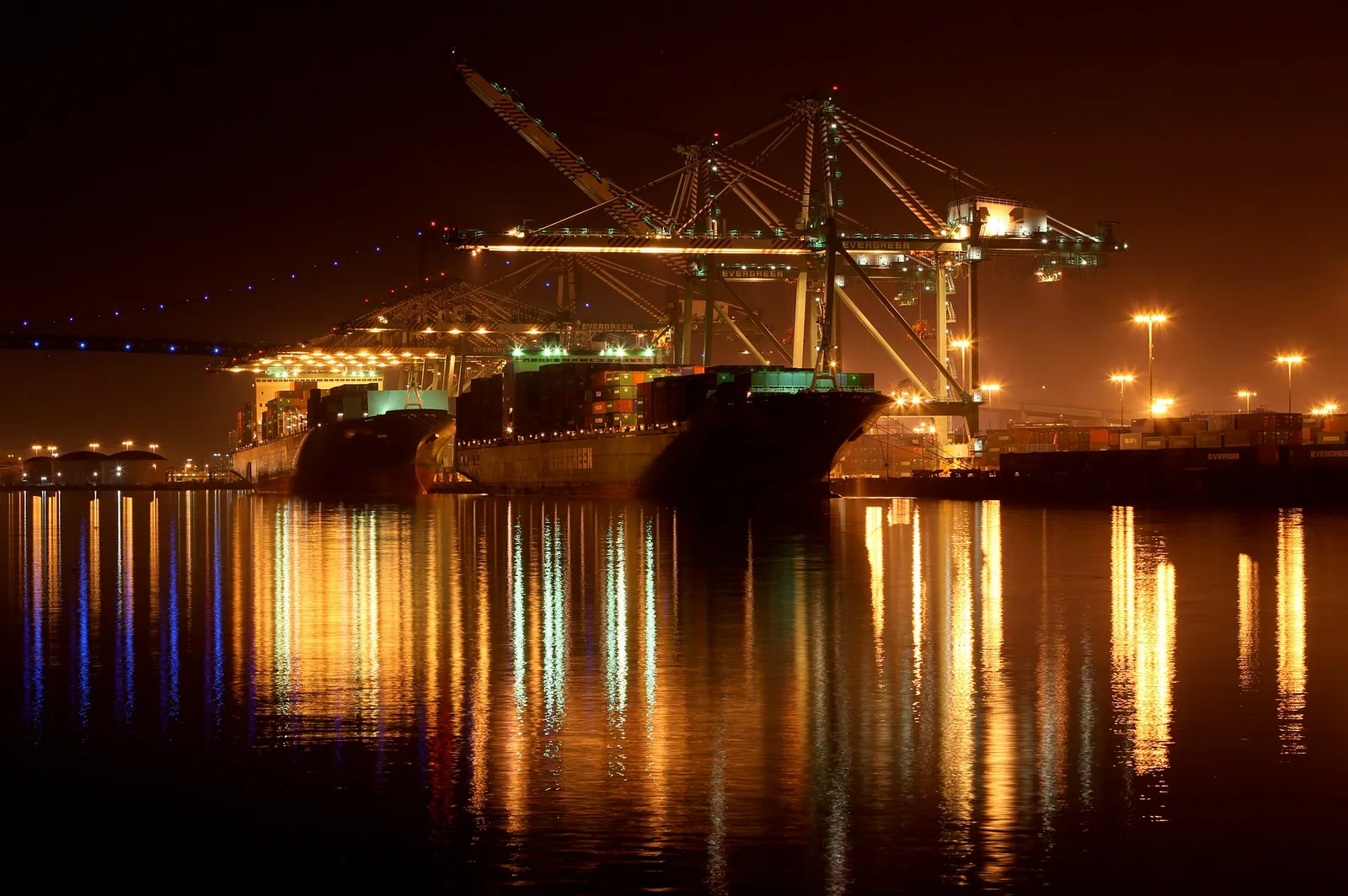
Canada is not the primary trading partner flowing through the ports of Los Angeles and Long Beach, which are oriented heavily toward the Pacific. Much U.S.-Canada trade moves overland rather than by sea.
But the effect reaches here anyway, through two channels. Building materials and furniture feed directly into a Los Angeles construction and housing market already straining on cost, and Southern California's large auto sector is exposed to any tariff touching car parts. A 50 percent duty on those categories is a new input cost for industries the region depends on.
The larger uncertainty is retaliation. If Canada answers with duties of its own on American goods, California agricultural exports are among the categories most often targeted in these disputes, because they are visible and politically potent. That would put the cost back on producers in this state.
What to watch
The 30-day window before the tariff takes effect is also a negotiating window, and both governments know it. Whether this becomes a durable 50 percent wall or a bargaining position that softens before mid-August is the open question, and the answer will show up first in whether the two sides move from "substantive discussions" to a formal table.