A city dips into its emergency reserve when the ordinary budget will not close. Long Beach has now done it at scale, and the more telling number is the one underneath: its operating reserves are gone.
The city drew $27 million from four reserve accounts this fiscal year, according to LAist, including $16.5 million from an emergency reserve that had held $50.1 million. Its operating reserves were exhausted entirely.
What produced the gap
Two things went wrong at once, which is usually how this happens.
Revenue came in about $21 million below projection. The largest single miss was utility tax, down roughly $14.7 million. Airport revenue stayed flat even as passenger traffic fell 11 percent, the Measure LB tax on power plants came in under forecast, and interest earnings dropped with rates.
Spending ran about $20.8 million over budget. New labor agreements added $38.3 million in structural costs across three years. And the city underestimated personnel costs by $10.6 million, in part because it succeeded at hiring: police vacancies fell from 26 percent to 13 percent, and firefighter vacancies to 3.2 percent. Filling long-vacant posts is a good outcome that costs more than a budget built on those posts staying empty.
The health department added a further $11 million call on the general fund, its second consecutive deficit, after losing $18 million in federal grants against a $254 million budget.
The distinction that matters
City Manager Tom Modica put it plainly: "I don't think it's a secret that we have been hit pretty hard by the economic conditions that are out there."
The question a reader should ask of any city in this position is whether the problem is a one-time shock or a structural mismatch between recurring revenue and recurring cost. The evidence here points at structure. Labor agreements are ongoing commitments, not one-time payments. Filled positions carry salaries every year. A second consecutive health department deficit is a pattern rather than an event.
Reserves can absorb a shock. They cannot fix a structural gap, they can only postpone it, and the postponement is now partly spent.
Why this is a regional story
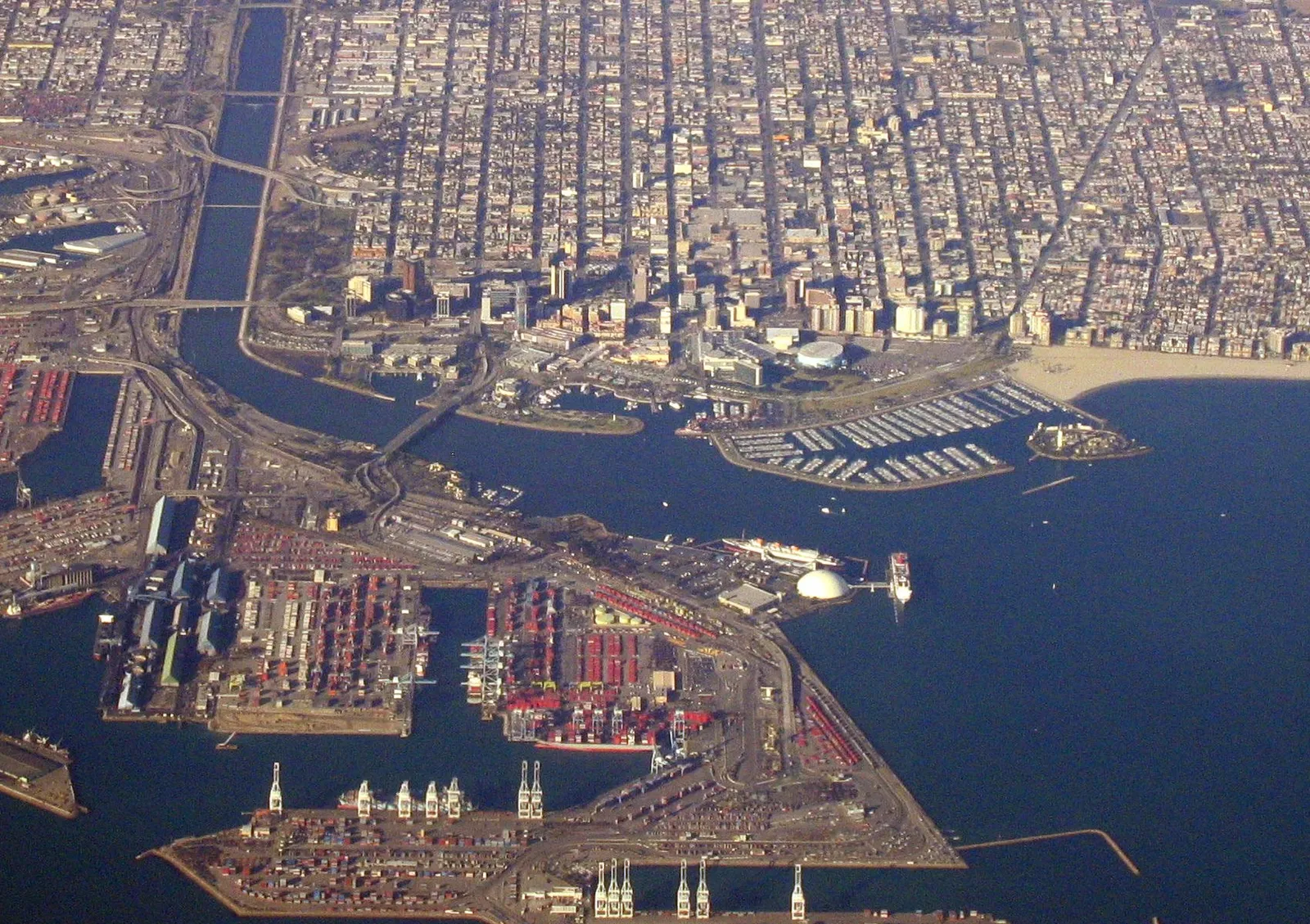
Long Beach is the second-largest city in Los Angeles County, and it runs services that most cities of its size do not. It operates one of the busiest container ports in the country, its own utilities, and its own health department, which is why a general fund squeeze there reaches further than a typical municipal budget.
It is also not obviously alone. The combination that hit Long Beach, softening tax revenue, rising labor costs and the end of pandemic-era federal money, is not specific to Long Beach.
The calendar
The current fiscal year ends September 30. The proposed budget for fiscal 2027 is due to be unveiled on July 30, with council approval required by the end of September.
Modica has said the coming budget will require "very difficult changes." He has not specified what they are. In practice a city closing a structural gap has a short list of options: reduce services, reduce headcount, raise fees or rates, or draw down what remains of reserves.
Which of those Long Beach chooses will be visible on July 30, and residents who want a say have the window between that unveiling and the September deadline.