The cease-fire between the United States and Iran lasted about three weeks. The sanctions relief that came with it lasted 15 days. Iran used them.
What Washington actually granted
The June 17 memorandum of understanding, negotiated in Islamabad, was meant to stop the fighting, reopen the Strait of Hormuz and lead toward a final agreement. Sanctions relief was the first installment.
On June 22, the Treasury Department issued what became known as General License X, a 60-day authorization permitting Iran to produce and sell crude, petrochemicals and petroleum products, with a stated expiry of August 21. As the law firm Akin Gump described it to clients, the license also cleared entities and vessels that had previously been sanctioned, which is what made it usable rather than symbolic.
CNBC reported at the time that the waivers stood to unlock a floating inventory of roughly 67 million barrels of Iranian crude already sitting at sea, worth something in the range of $8 billion to $9 billion if it could be sold.
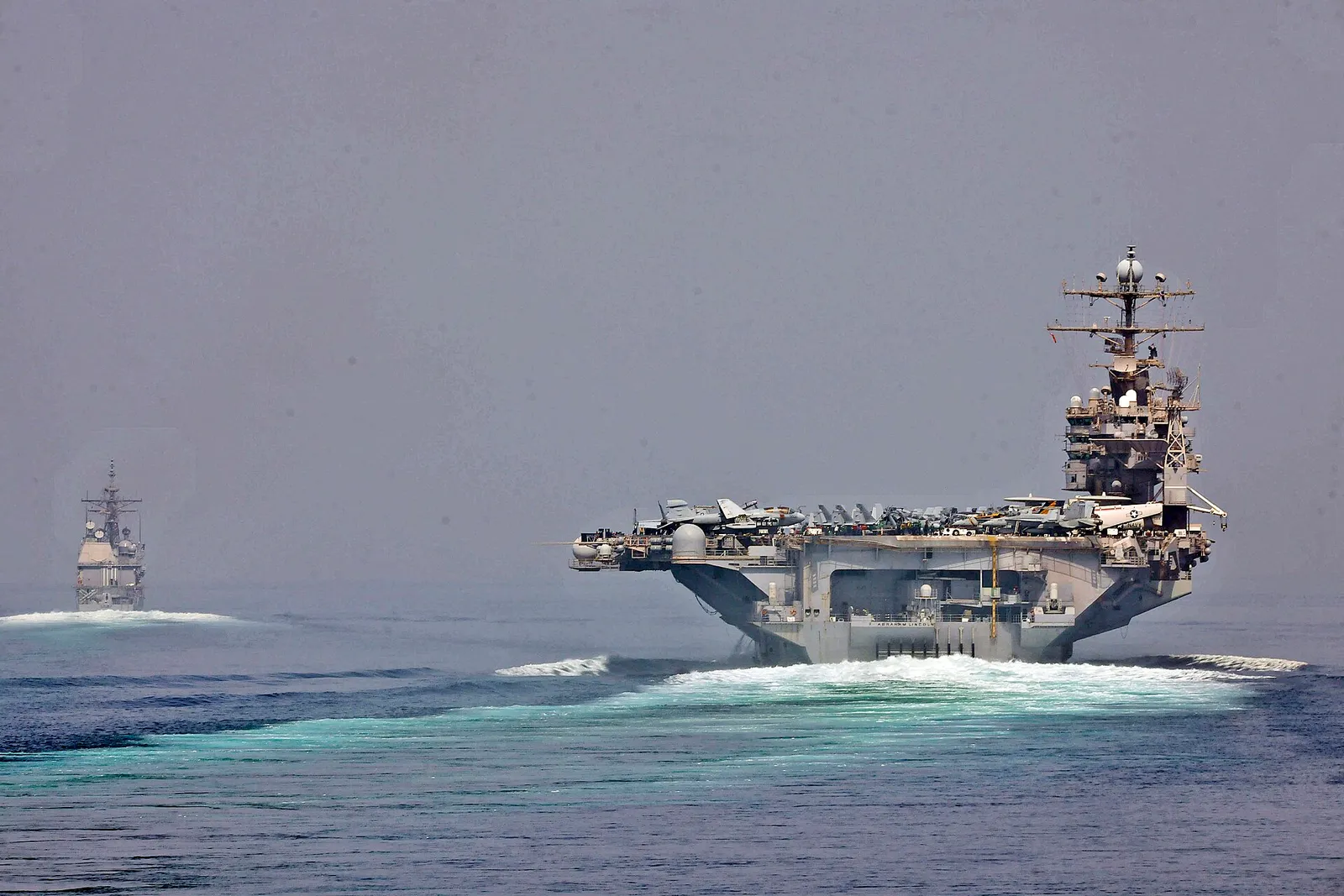
The license was revoked on July 7, after attacks on commercial shipping in the Gulf.
How much moved
The most detailed public accounting comes from United Against Nuclear Iran, an advocacy organization that campaigns against the Iranian government and publishes a monthly tanker tracker. Readers should weigh its numbers with that stance in mind, though its methodology is tanker tracking rather than assertion.
By its June count, Iran exported 52.7 million barrels during the month, an average of about 1.76 million barrels a day, which it valued at roughly $4.51 billion. The comparison that matters is with May, when the group put exports at about $219 million. The blockade had been working; the license ended it within days.
The Wall Street Journal has reported a figure of about $6 billion in Iranian oil sales across the cease-fire period. The Herald has not been able to review that reporting directly and notes the figure as attributed rather than confirmed.
The lag is the point
Oil sales are not settled on delivery. Payment for Iranian crude typically reaches Tehran two to three months after the cargo leaves, which means a barrel loaded in late June generates hard currency in the fall.
That timing is why the 15-day window matters more than its length suggests. The blockade was restored in July, but the receipts from the period when it was lifted keep arriving well into a quarter when the United States and Iran are again exchanging fire. Two U.S. service members were killed in Jordan on July 17 and a third died in Iraq days later.
How the trade works when it is illegal
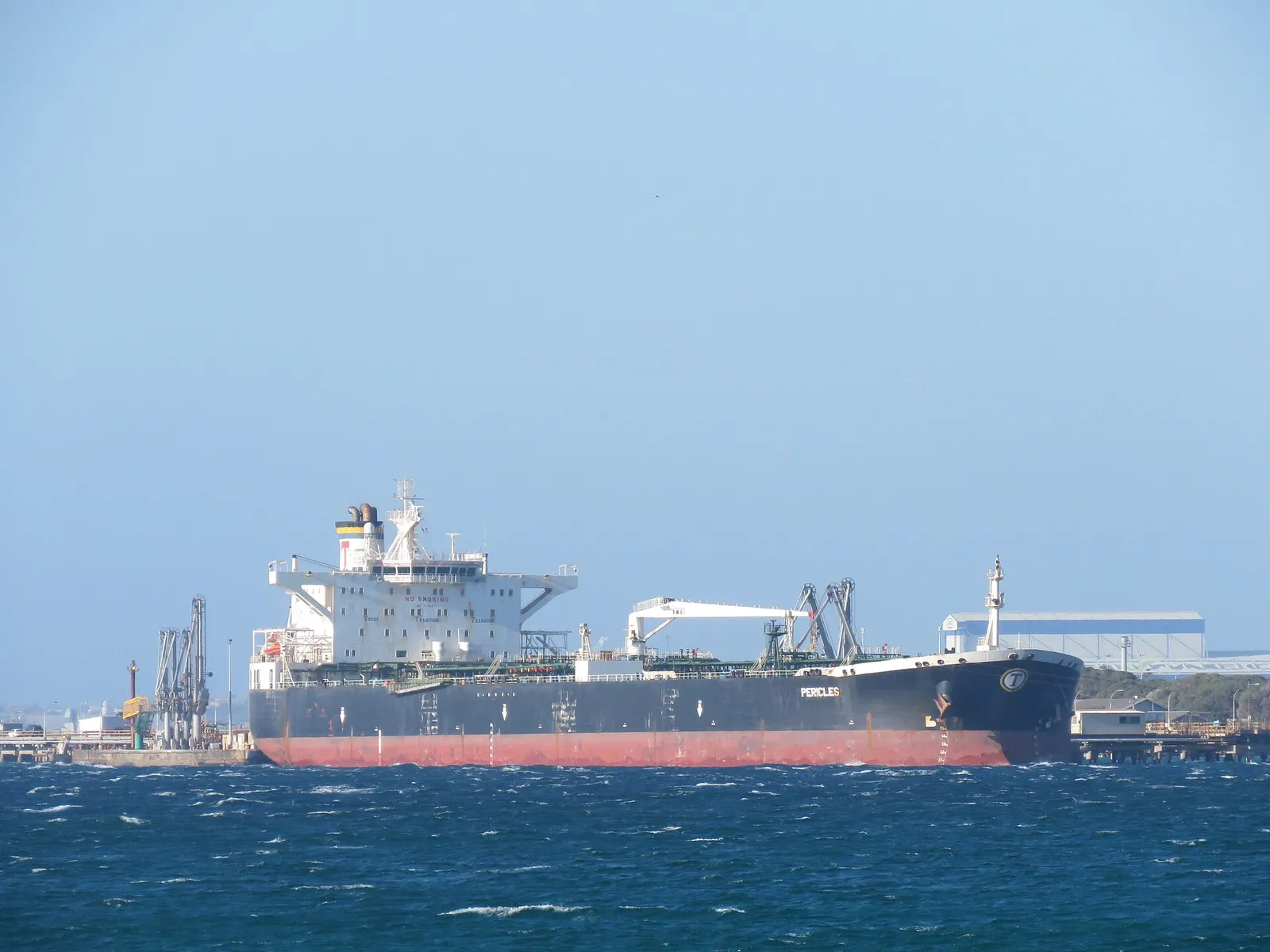
The mechanics did not change during the license and did not need to. Iranian crude reaches Asia, overwhelmingly China, through a fleet built for the purpose: tankers that switch off or falsify their automatic identification system signals, transfer cargo ship-to-ship in international waters off Malaysia rather than sailing directly, and change flags and names to obscure a cargo's origin before it reaches a buyer.
China's official customs figures have recorded essentially no Iranian crude imports for years, a statistical position that analysts treat as a labeling convention rather than a description of what arrives.
Enforcement, then, is less a matter of stopping ships than of tracking them and sanctioning the vessels and traders involved after the fact. That is slow, and the fleet is large enough to absorb losses.
What it means for the current fighting
The practical consequence is that Iran entered this phase of the conflict with more cash than it had in the spring, some of it still in transit.
For an economy under heavy sanction and heavy military expenditure, three weeks of unimpeded sales does not change the strategic picture. It does change how long Tehran can sustain the current tempo before the fiscal pressure becomes acute, which is the calculation on both sides of the war now being fought.