Another American service member has been killed in the conflict with Iran, U.S. Central Command said, as the American air campaign entered its second week and the two sides moved closer to a broader war.
Two incidents, several days apart
The most recent death occurred in northern Iraq on Saturday. The service member was killed during a "controlled detonation" of a downed Iranian one-way attack drone, according to the military's statement. CENTCOM has said it is withholding the identities of those killed out of respect for their families.
That death is separate from an earlier attack. On July 17, an Iranian strike on a position in Jordan killed two U.S. service members and left a third missing. The military said this weekend that search teams recovered "unidentified remains" at the site on Sunday and that an examination to verify them is underway. As of the military's latest statement, the missing service member has not been declared dead.
The distinction matters, and some accounts have blurred it. The Jordan attack and the Iraq detonation were different events in different countries, and the status of the missing service member remains formally unresolved.
The cumulative toll is unclear
How many Americans have died since the fighting began is genuinely uncertain, and this newspaper is not able to state a single figure with confidence. Military statements circulating this weekend gave differing cumulative totals, and independent casualty trackers differ further, in part because they disagree about whether to count non-hostile deaths and how to classify incidents.
What is not in dispute is that the deaths in Jordan represented Iran's most consequential strike on American forces in months, and that they prompted a direct military response.
Washington's response
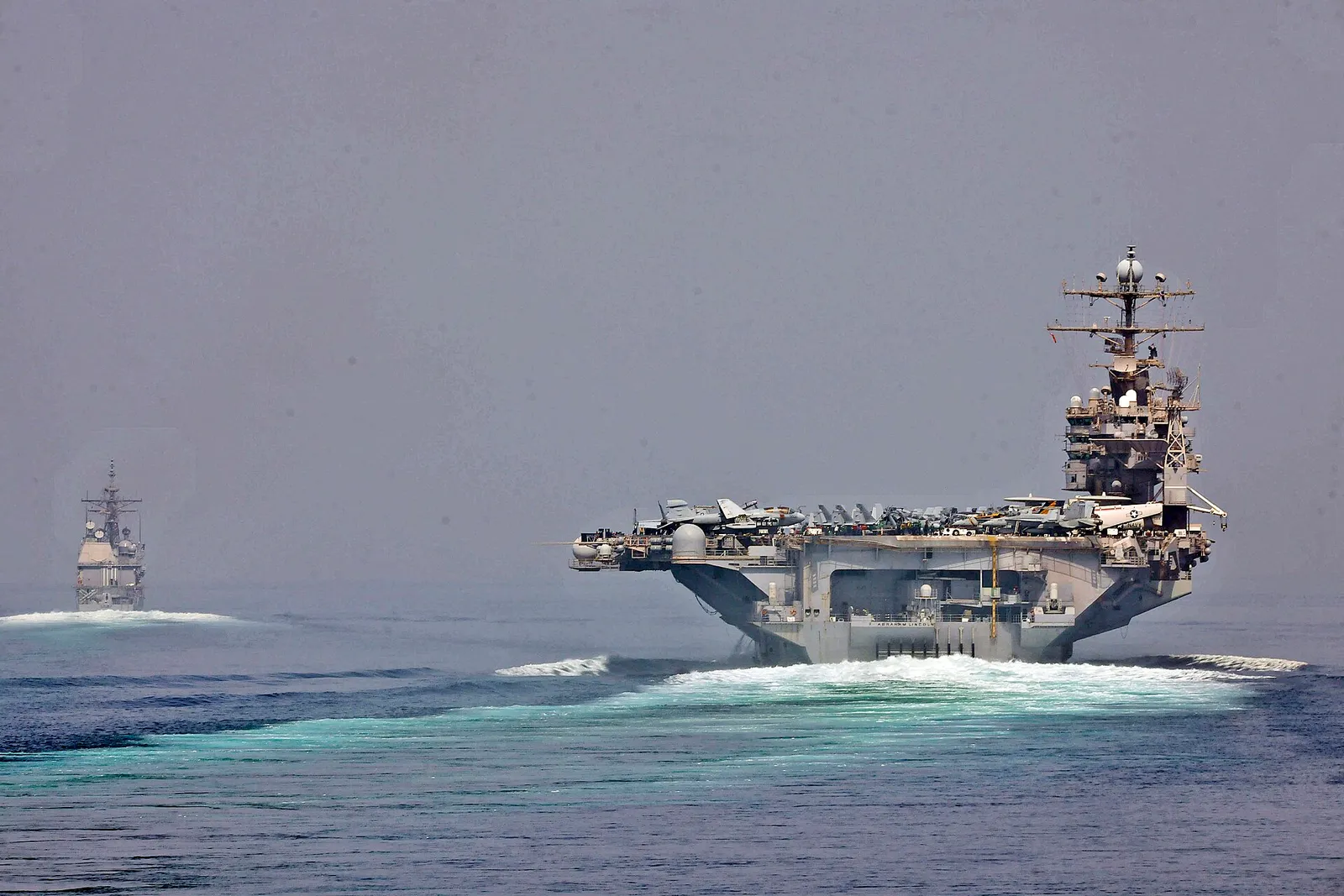
President Trump ordered retaliatory airstrikes following the deaths in Jordan, with the administration describing the aim as punishing the Iranian forces responsible. CENTCOM said late Saturday that U.S. forces had completed an eighth consecutive night of launching munitions against Iranian targets, and the campaign has now run into a second week.
The administration has paired the strikes with an offer of talks, saying it remains open to a negotiated settlement while military pressure continues. Iran has given no public indication it will return to the table on those terms.
Shipping and the strait
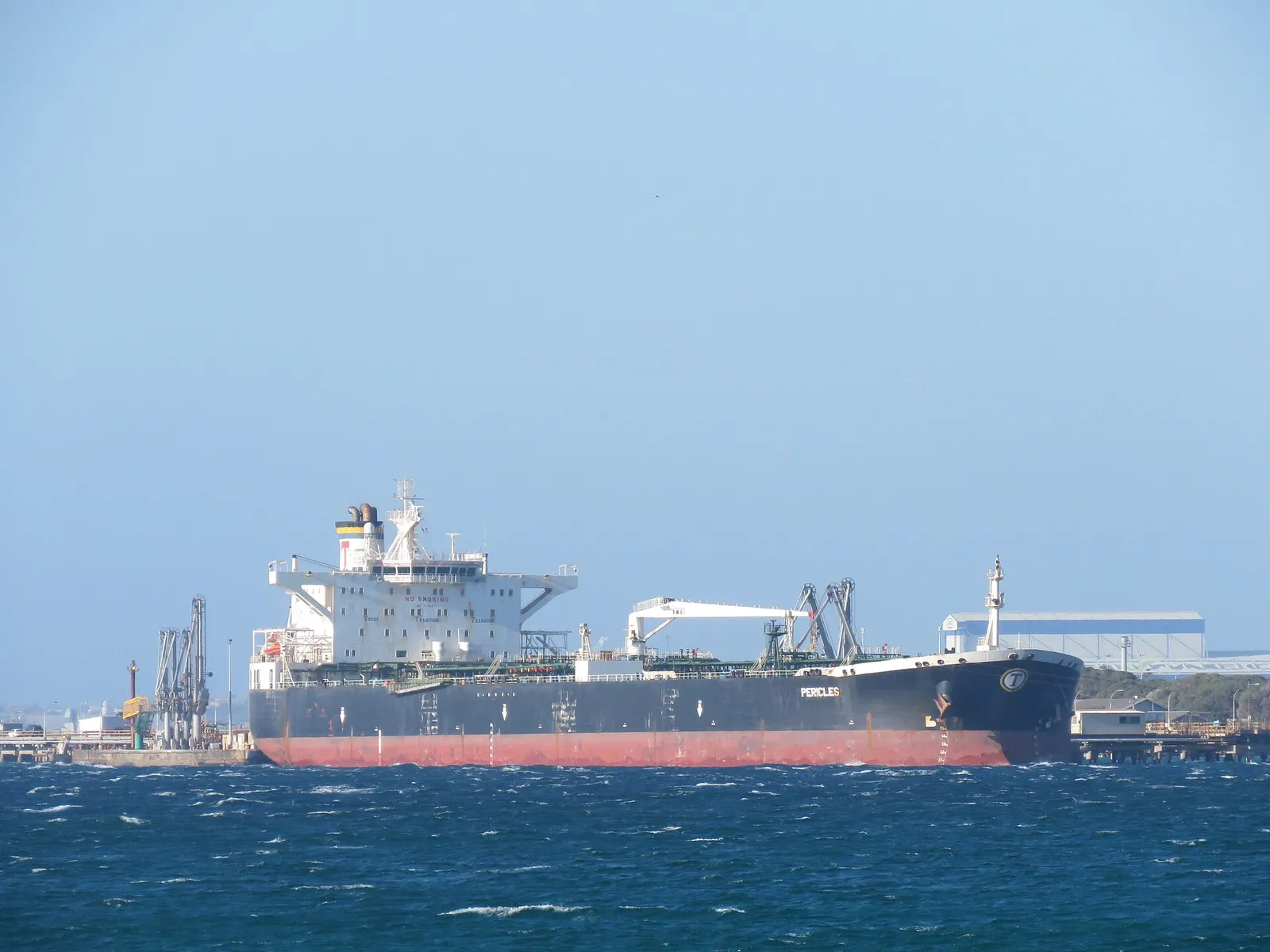
Much of the conflict's economic weight rests on the Strait of Hormuz, the narrow passage carrying a large share of the world's seaborne oil. Iran has attacked commercial vessels transiting the waterway in recent weeks, and its military has said it targeted what it described as ships operating in defiance of its restrictions. Those Iranian characterizations of the vessels have not been independently confirmed.
Iranian strikes have also been reported in Iraq's Kurdistan region, where opposition fighters were reported killed.
What comes next
Neither government has described a path out. The administration says pressure will continue until Iran negotiates; Iran has continued to strike American positions and shipping. Between those positions sit U.S. forces spread across bases in Jordan, Iraq and the Gulf states, and the crews of the commercial ships still moving through the strait.