

The policy sounds straightforward. Pay a farmer to destroy his coca, help him plant something legal, and one more link in the cocaine supply chain is gone.
A grower in Colombia's Meta province, identified by the BBC as Perea, did his part. He enrolled in the national crop substitution program set up after the 2016 peace agreement, uprooted his coca and planted cassava and plantain in its place.
He is growing coca again.
What went wrong was logistics
The failure was not a change of heart. His land sits in a region reachable mainly by river and subject to flooding, and cassava and plantain are heavy, perishable and cheap. Getting them to a buyer costs more than they fetch.
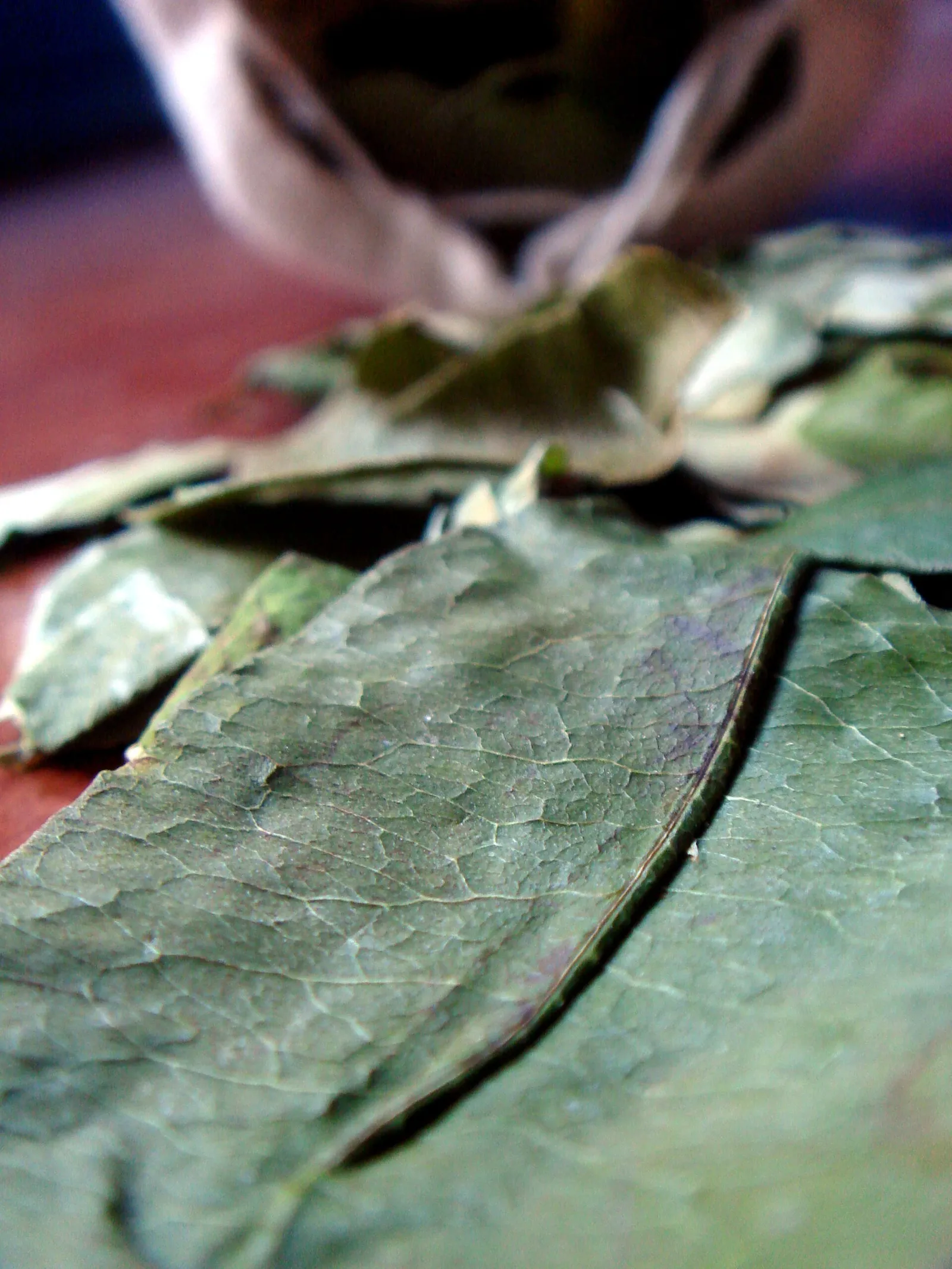
Coca does not have that problem. It is light, it does not spoil quickly, and the buyer comes to the farm. That asymmetry is the entire economics of the trade at the grower's end, and no substitution program that ignores roads and river transport can overcome it.
The promised government support, which was meant to cover the transition, arrived late or not at all. Reporting on the program has documented payments lagging and technical assistance failing to materialize across many enrolled communities. Farmers who complied were left with destroyed coca, unsellable legal crops and no cash.
The price collapse cuts both ways
There is an irony in the current moment. Coca paste prices in Colombia have fallen sharply since 2022, a collapse analyzed by the Washington Office on Latin America as the product of several forces at once, including fragmentation among trafficking organizations after the capture of the paramilitary leader known as Otoniel, who was taken into custody in Colombia in 2021 and extradited to the United States the following year.
Falling prices might be expected to push farmers out of coca. Instead they have deepened the poverty of growers who have nothing to move to, while leaving the cultivated area near record levels according to United Nations monitoring. A farmer earning less per harvest is a farmer with less capacity to absorb the risk of switching crops, not more.
Who decides, and who does not
The framing of substitution programs assumes the farmer is choosing. In much of rural Colombia, armed groups control which crops are grown and who may buy them. The International Crisis Group has documented the coercion involved where these groups hold territory.
Where the state's presence amounts to periodic eradication operations and an armed group's presence is permanent, the question of what to plant is not settled by a subsidy.
Why this matters here
Los Angeles sits at the consuming end of this chain, and the debate here is usually about interdiction, sentencing and treatment. The supply end is a development problem: a question of roads, land titles, buyers and functioning markets in places where none of those reliably exist.
Perea, by his own account to the BBC, does not consider himself part of the drug trade in any meaningful sense. He is a farmer growing the only crop his geography will support. Nothing in the policies aimed at him has changed that geography.