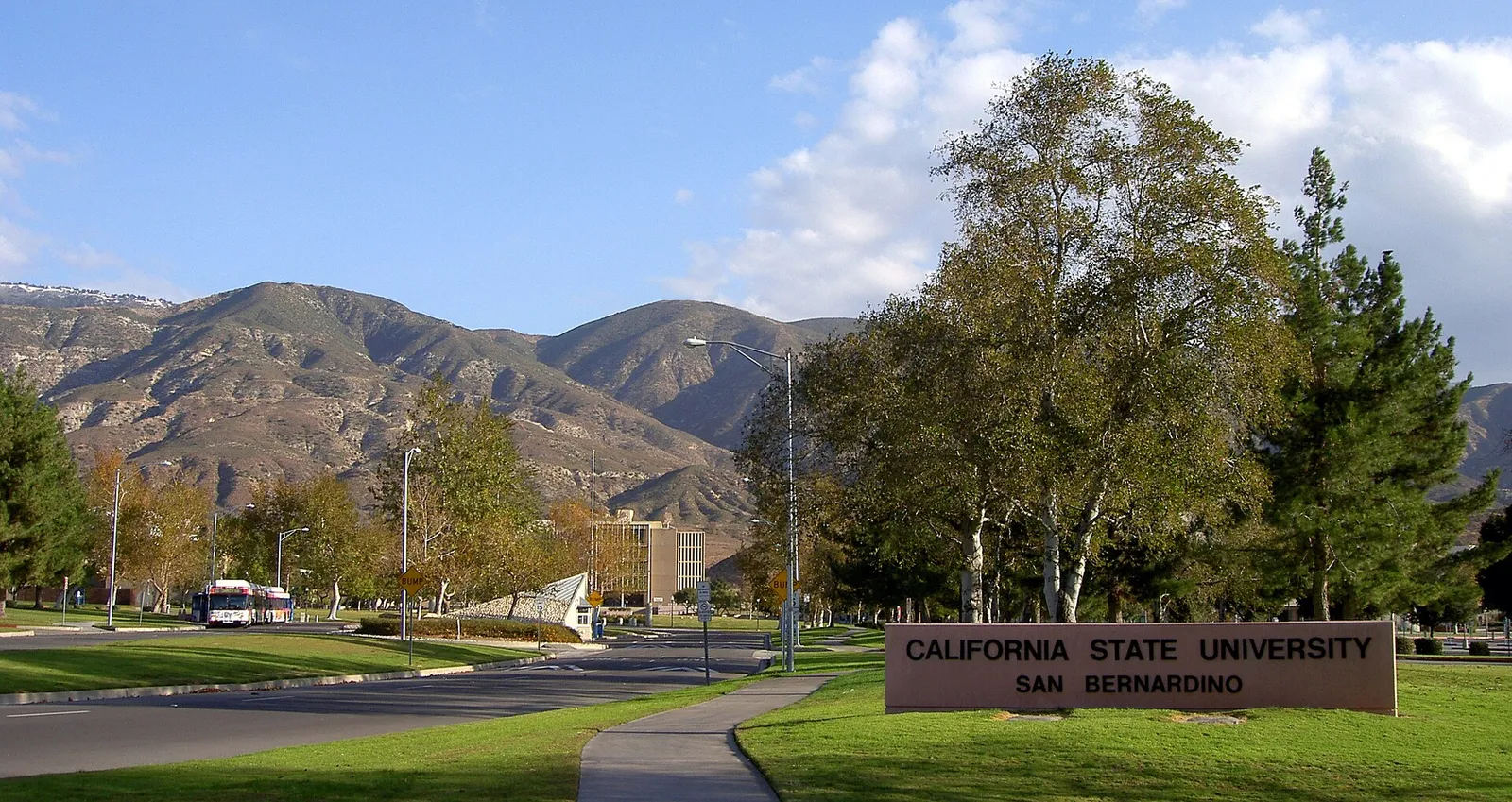
The California State University system settled a $12 million gender-discrimination lawsuit that named the president of its San Bernardino campus. On Wednesday, the system's trustees are set to vote on giving that president a new, paid position on his way out, according to CalMatters.
Those two facts, placed next to each other, are the story.
What the lawsuit alleged
The suit was brought by two administrators, Clare Weber, a former vice provost, and Anissa Rogers, a former associate dean. They alleged they were harassed and discriminated against on the basis of gender by Tomás Morales, the president of Cal State San Bernardino, and by Jake Zhu, a former dean at the Palm Desert campus.
Weber alleged Morales routinely harassed women through aggressive behavior, excessive criticism and intimidation. Rogers described a male-dominated culture in which women were interrupted, yelled at and undermined. The complaint, in its own language, called the CSU system a "cesspool of gender harassment and discrimination."
These are the plaintiffs' allegations. Cal State denies wrongdoing. It also paid $12 million to make the case go away, which is a large settlement for allegations an institution maintains are without merit, and readers can weigh that tension for themselves.
CalMatters also reports a 2016 faculty survey in which 60 percent of employees said the campus climate had worsened under Morales.
The transition
Here is what the trustees will consider on Wednesday. The board is set to vote on granting Morales the status of president emeritus and approving a transition plan that moves him to a different position within the system while keeping him on the payroll. The new job and its salary are to be announced at that meeting.
For context on the sums involved, CalMatters reports Morales earned $655,626 in total pay and benefits in 2024.
Weber and Rogers, the two women whose lawsuit the system settled, have submitted public comments opposing the transition package, questioning whether Morales should be treated as remaining in good standing.
The system's position
A CSU spokesperson, Amy Bentley-Smith, said the system "thoroughly reviewed all of the lawsuit's allegations and resolved the matter through the settlement."
That is a defensible account on its face: a settlement is not a finding of liability, and public universities settle cases they believe they could win, to cap cost and end distraction. An institution is entitled to conclude a matter and move on.
The question the Wednesday vote raises is a different one, and it is fair to put plainly: whether a president named in a harassment suit the system paid $12 million to settle should then receive an emeritus title and a new salaried post, and whether doing so is consistent with the system having taken the underlying allegations seriously.
Why it matters beyond one campus
This is a California public institution, funded by California taxpayers and educating California students, and the decision is being made by a public board in a public meeting.
The CSU system is one of the largest public university systems in the country, and how it handles a president at the center of a settled harassment case sets a template that reaches well past San Bernardino. The Herald will report what the trustees decide on Wednesday, and the terms of any position they approve.