

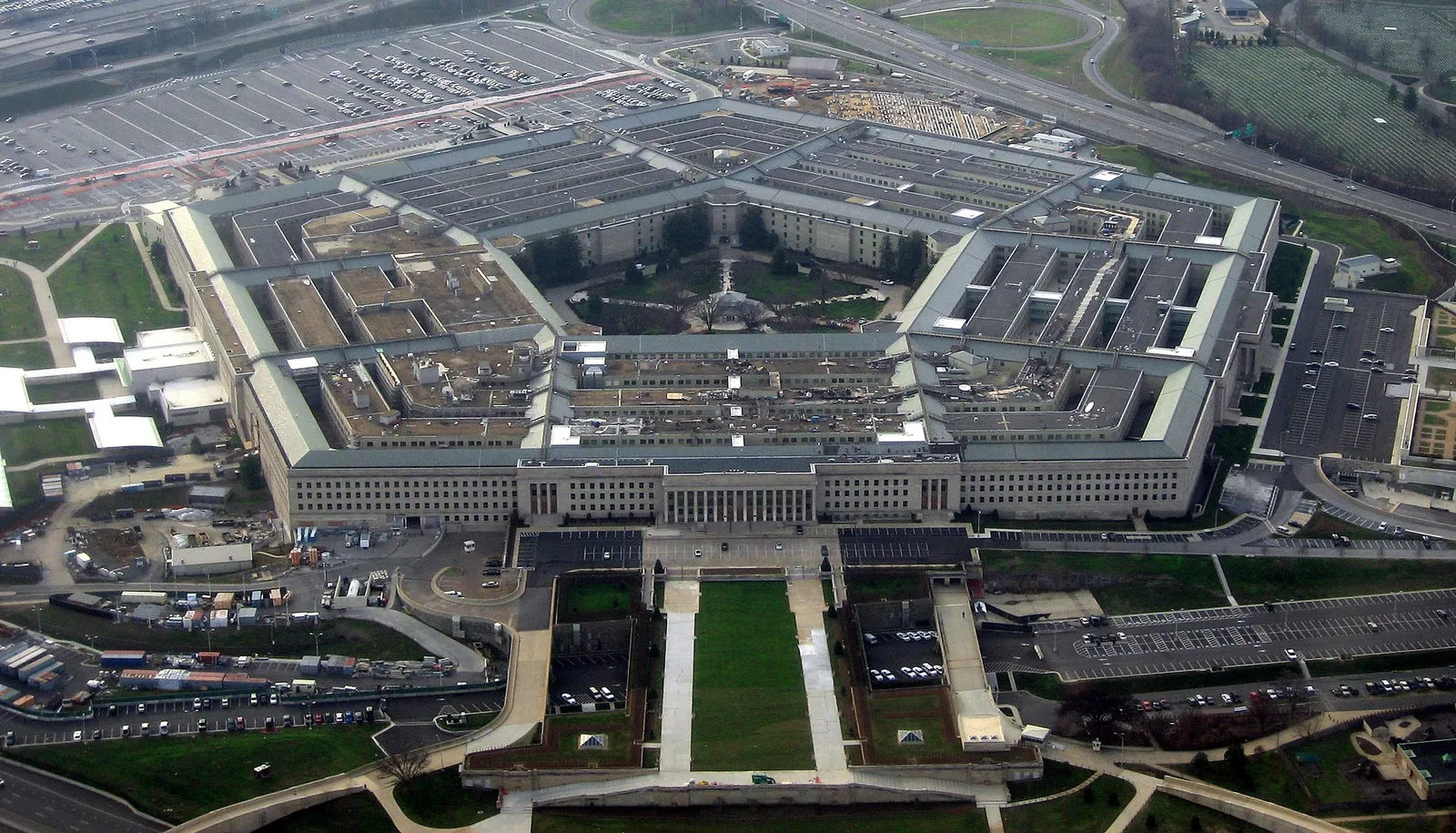
Defense Secretary Pete Hegseth was questioned by senators on Tuesday over the cost and conduct of the war with Iran, according to ABC7 and the Associated Press. The reporting also carries the most specific casualty figures the Herald has seen from an authoritative account, and it is worth leading with them, because we have spent the past week saying the toll could not be pinned down.
The numbers, at last
The account states that 17 U.S. service members have been killed and more than 100 injured since early July, and that nearly 450 have been injured since the war began earlier this year.
That resolves, at least to a citable figure, the uncertainty we have flagged repeatedly: over several days the cumulative death toll circulated as 16 and 17 in different official statements, and independent trackers ran lower. The number now being used at a Senate hearing is 17. We report it as that, an authoritative current figure, while noting it is the kind of count that has been revised before.
What the money is
The hearing concerned a roughly $95 billion package, of which about $70 billion is designated for the Iran war. The remainder, per the reporting, includes about $10 billion in farmer aid and about $10 billion tied to voter law changes, the sort of unrelated items that ride along on a large must-pass bill.
Alongside Hegseth, General Dan Caine, the chairman of the Joint Chiefs of Staff, testified.
The two Democratic lines of attack
The questioning, as reported, came chiefly from Democrats, and it ran along two tracks.
The first is cost and duration. Senator Patty Murray, the top Democrat on the Appropriations Committee, warned the conflict "could be another forever war" and questioned the administration's repeated assertions that a deal with Iran is close. That is the fiscal-and-strategic critique: that an open-ended commitment is being funded without a clear end.
The second is disclosure, and it is sharper. The Senate Democratic leader, Chuck Schumer, accused Hegseth of "marketing testosterone supplements for our troops last week while withholding casualty numbers in the Iran War from the American people." Senators have also threatened to withhold Hegseth's travel budget unless the Pentagon releases its report on a deadly strike on an Iranian primary school.
What is missing from the account, stated plainly
The reporting does not include the Pentagon's responses to these criticisms. That is a real gap, and fairness requires naming it rather than papering over it.
This account is therefore one side of a hearing: the questions, not the answers. The administration's case for the funding, its account of the casualty-disclosure practices Schumer attacked, and its position on the school-strike report are not captured here, and the Herald is not going to invent them. We will report the Pentagon's answers when we have them.
What can be said is that the money is large, the stated war portion is $70 billion, the current official death toll being used is 17, and the fight in the Senate is now as much about what the public is being told as about the war itself.
The Los Angeles thread
The connection to Los Angeles is the same one that has run through this war since it began: the fuel price at the pump, the Californians serving in the units taking casualties, and a congressional delegation from this state that sits on the committees now fighting over the bill.
A $70 billion war-funding line and a death toll of 17 are national facts. They reach a California reader through a gas station, a family with someone deployed, and a set of votes that this state's representatives will help cast.