

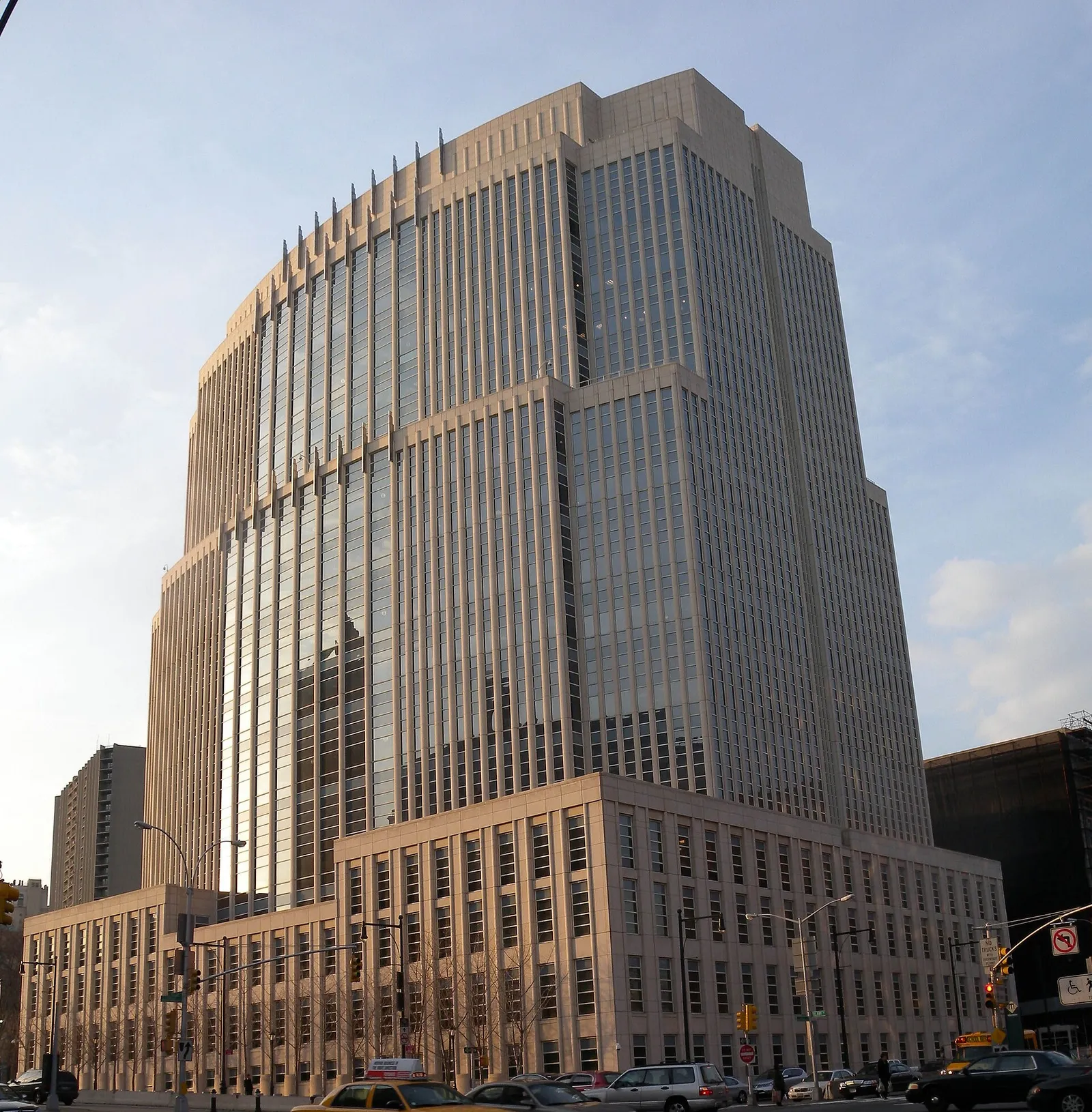
Ismael Zambada Garcia, who cofounded the Sinaloa cartel and stayed out of custody for roughly four decades while doing it, was sentenced to life in prison on Monday in federal court in Brooklyn. U.S. District Judge Brian Cogan imposed the term, according to the Associated Press.
Zambada is 76. The hearing had originally been docketed for January.
This story was first published before the hearing concluded and has been updated with the sentence.
Why the outcome was never in doubt
Zambada pleaded guilty in August 2025 in the Eastern District of New York to two counts: racketeering conspiracy, and engaging in a continuing criminal enterprise.
The second of those is the one that matters here. A conviction for running a continuing criminal enterprise as a principal organizer carries a mandatory minimum of life imprisonment. A judge has no discretion to go below it. That is why news accounts were able to describe Monday's sentence before the hearing began: the plea had settled it.
The Justice Department has said the plea agreement also provides for a forfeiture money judgment of $15 billion, entered at sentencing.
What he admitted
Prosecutors put the scale of the enterprise at more than 1.5 million kilograms of cocaine moved into the United States from 1980 until his arrest, along with heroin, methamphetamine and, in later years, fentanyl. In their sentencing memorandum, prosecutors wrote that it "would be difficult to overstate the magnitude of the defendant's crimes," according to ABC7.
His lawyers had asked that he serve the term in a prison hospital, citing age-related conditions and a need for continuing medical care. Prosecutors urged the court to weigh what they called the serious ongoing security risks he poses, arguing that some facilities would not be suitable.
Prosecutors also told the court that Zambada had ordered torture and plotted murders as the organization grew.
How he got here, and the part that is disputed
Zambada was taken into U.S. custody in July 2024 in circumstances that remain contested and are genuinely strange.
His account, given through his lawyer, is that he was lured to a meeting near Culiacán by Joaquín Guzmán López, a son of Joaquín "El Chapo" Guzmán, then ambushed, restrained and flown to Texas against his will. The Guzmán side has characterized it differently. What is not in dispute is that he arrived in the United States on a private flight he had not planned to take, and that the U.S. government has said its own personnel did not carry out the capture.
The episode set off a factional war inside the Sinaloa organization between groups loyal to Zambada and to the Guzmán sons that has driven much of the violence in Sinaloa state since.
The Southern California connection
This is not a distant story for Los Angeles. The Sinaloa organization has been the principal supplier of methamphetamine and, more recently, fentanyl into Southern California, moving product through the San Diego and Imperial Valley corridors and distributing from the Los Angeles basin.
There is a genuinely hopeful number alongside it. Los Angeles County reported its largest recorded decline in overdose deaths in 2024, with fentanyl deaths down 37 percent to 1,263.
That decline is generally credited to naloxone distribution, treatment access and changes in the drug supply rather than to any single enforcement action, and it would be wrong to attribute it to Zambada's arrest. But it is the metric that actually matters to Angelenos, and it is moving in the right direction.
What the sentence does not change
A life sentence removes a man who had already been removed. The organization he built is decentralized, at war with itself, and still producing.
Federal prosecutors do not generally claim otherwise. The case for the prosecution is one of accountability rather than disruption: that a man who ran an enterprise of this scale for this long should answer for it in a courtroom. Whether that materially changes what arrives in Los Angeles is a separate question, and the honest answer is probably not.