

Federal drug agents ran an operation at a home in Mid-Wilshire on Tuesday morning, and beyond confirming that it happened, they are not saying what it was about.
What was visible
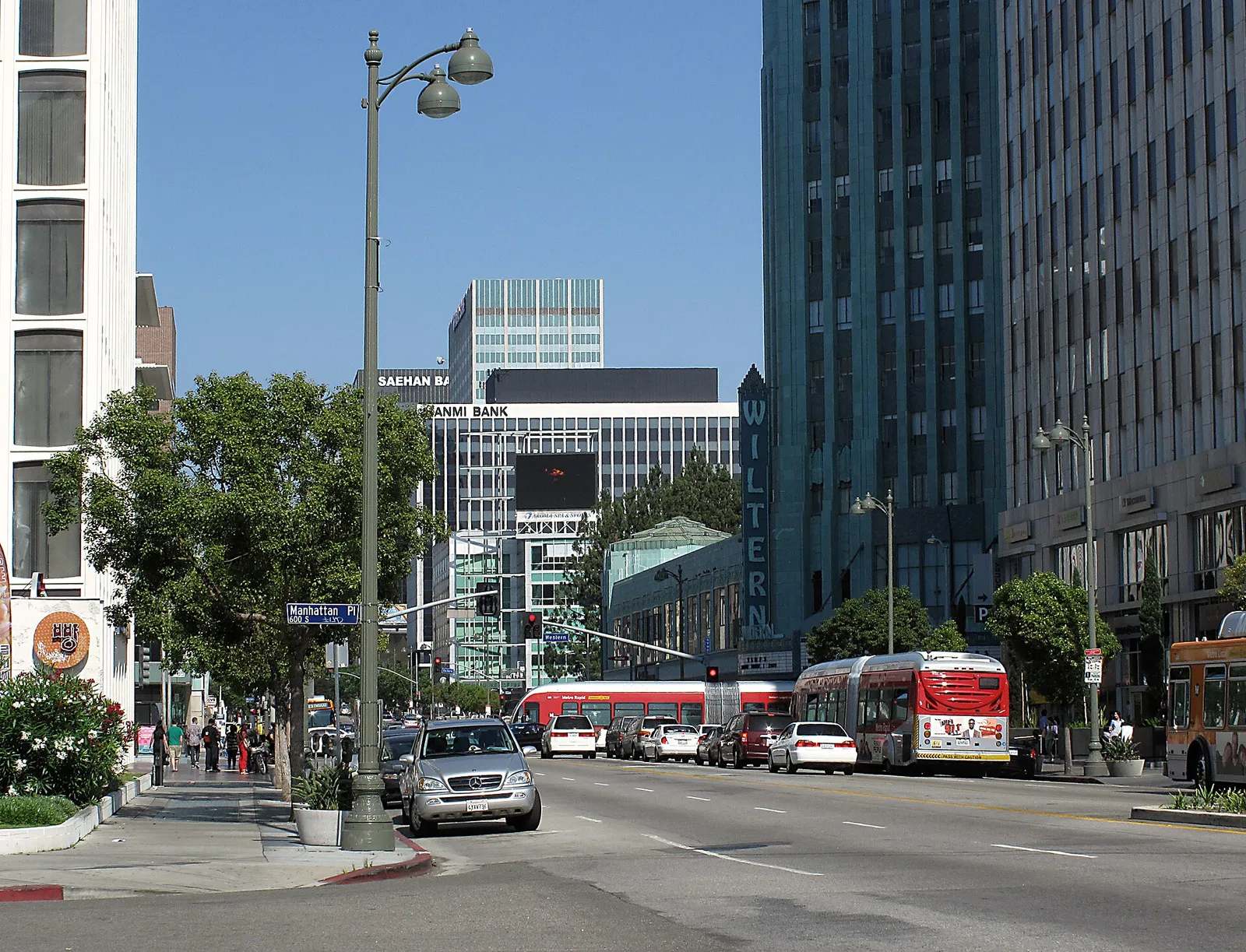
The scene was on the 400 block of South Wilton Place, near Fourth Street. ABC7 reported roughly 15 Drug Enforcement Administration agents in tactical gear, an armored vehicle, and two vehicle trunks left open. At least one person was detained: footage showed a shirtless man with his hands zip-tied and a woman seated and being questioned.
No seizure of drugs, money or weapons was described in the reporting, which does not mean there was none, only that none has been disclosed.
What the agencies said
The DEA's Los Angeles Field Division confirmed it "conducted a drug enforcement operation" on the block that morning, and added that "as this is an ongoing investigation, DEA will not be providing additional information at this time."
Notably, the Los Angeles Police Department said it was not aware of the operation when a reporter contacted it. That is not necessarily unusual. Federal agencies conduct their own operations and are not required to coordinate with or notify local police, and drug investigations in particular are often run without a local hand-off. But it is worth stating accurately: this was a federal action, and the city's police force was not, at least initially, in the loop.
What is not known, which is most of it
An honest account of this story is mostly a list of what has not been established.
We do not know what the investigation is, whether the person detained was arrested or released, whether charges will follow, or whether this is a standalone matter or one node of something larger. We do not know what, if anything, was recovered. The DEA has chosen, as it is entitled to during an active investigation, to say nothing further.
The Herald is not going to fill that space with inference. A tactical operation with an armored vehicle is a serious deployment, but the seriousness of the tactics does not by itself tell you the seriousness of the case, and we will not treat the two as the same thing.
The context worth having
Federal drug enforcement in Los Angeles is routine and continuous, and a single morning raid is not, on its own, evidence of a trend or a surge. It is one operation on one block.
What would make this more than a brief is what the DEA does next: an announced arrest, a filed complaint, a described seizure. Until one of those arrives, this is what can responsibly be said. Agents were on South Wilton Place, someone was detained, and the government is not explaining why. The Herald will update the story when the DEA does.