

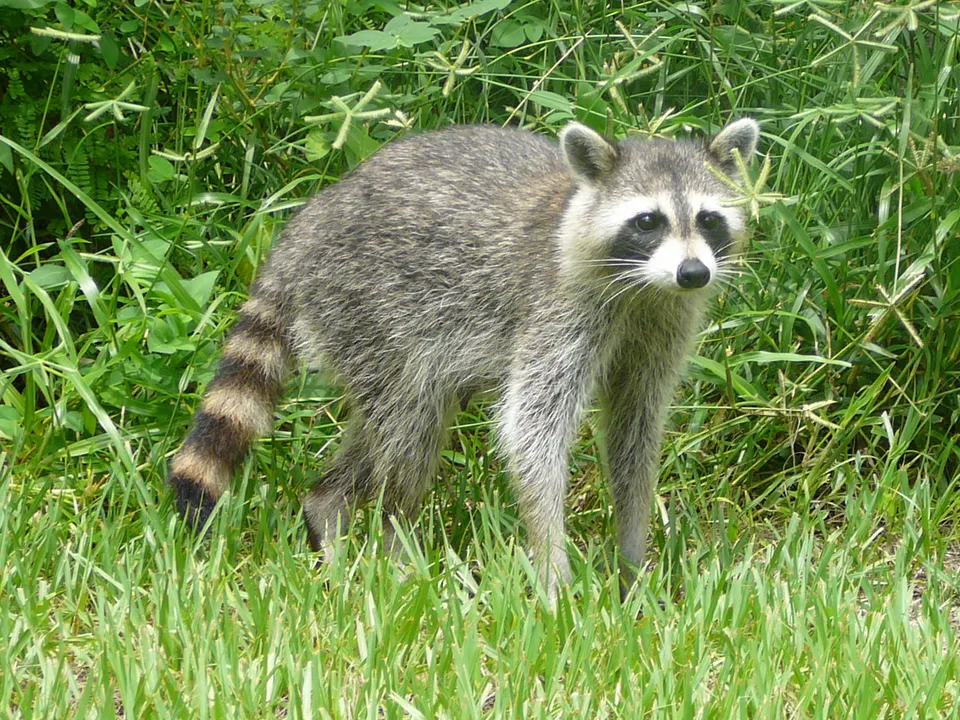
Every so often a story comes along that is equal parts nature documentary and rental nightmare. This is one, via ABC7: a raccoon that turned a San Francisco apartment wall into a maternity ward.
How it unfolded
It began in April, when tenant Isaac Brodkin started hearing scratching inside his bedroom wall. "They just kept scratching and scratching through this wall," he said. A raccoon had gotten into the exterior wall of the rental and, it turned out, given birth in there.
The noise escalated in a way Brodkin described in cinematic terms. "The sound just kept getting more and more intense, just like a horror movie would," he said. He and his roommate began to hear the "chittering of baby raccoons" and, more unsettling, "sucking sounds, like feeding." Unable to sleep in his own room, Brodkin decamped to the living room.
The slow response
What turns a wildlife oddity into a tenant's grievance is the timeline. The property managers, Kenney & Everest Real Estate, sent an inspector and had pest control apply a repellent, which did not work. San Francisco Animal Care and Control responded to the tenants' calls but, per the report, said its officers "won't attempt to remove the animals unless there is an urgent need", a policy that makes sense for wildlife management and is cold comfort to someone lying awake listening to a family of raccoons through the drywall.
The situation dragged on for nearly two months. It was not until mid-June that an exterminator opened the wall to remove the animals, by which point the tenants were already moving out. When the wall came open, the mother raccoon "fell through the wall and trapped itself," and the babies were removed separately.
The resolution, and the point
The tenants received roughly $4,600 in reduced rent and moving costs, and they left. As property disputes go, that is a relatively tidy ending, if you set aside the two months of horror-movie soundtrack.
Underneath the novelty is a small, real point about cities and the animals that live in their walls. Raccoons are thoroughly urban animals in California, adept at exploiting the gaps in aging housing stock, and a mother looking for a safe, warm place to den will take an apartment wall if the building offers one. The genuinely frustrating part of Brodkin's story is not the raccoon, which was behaving exactly like a raccoon, but the weeks it took to get the wall opened. The Herald notes it here mostly because it is a good story, and partly because anyone who has heard scratching in the walls will recognize the dread.