

California set aside a large pot of money to fix the heating and cooling systems in aging public schools, and then, as CalMatters reports, it stopped spending it, with roughly $191 million still sitting unused as classrooms head into another hot year.
The program
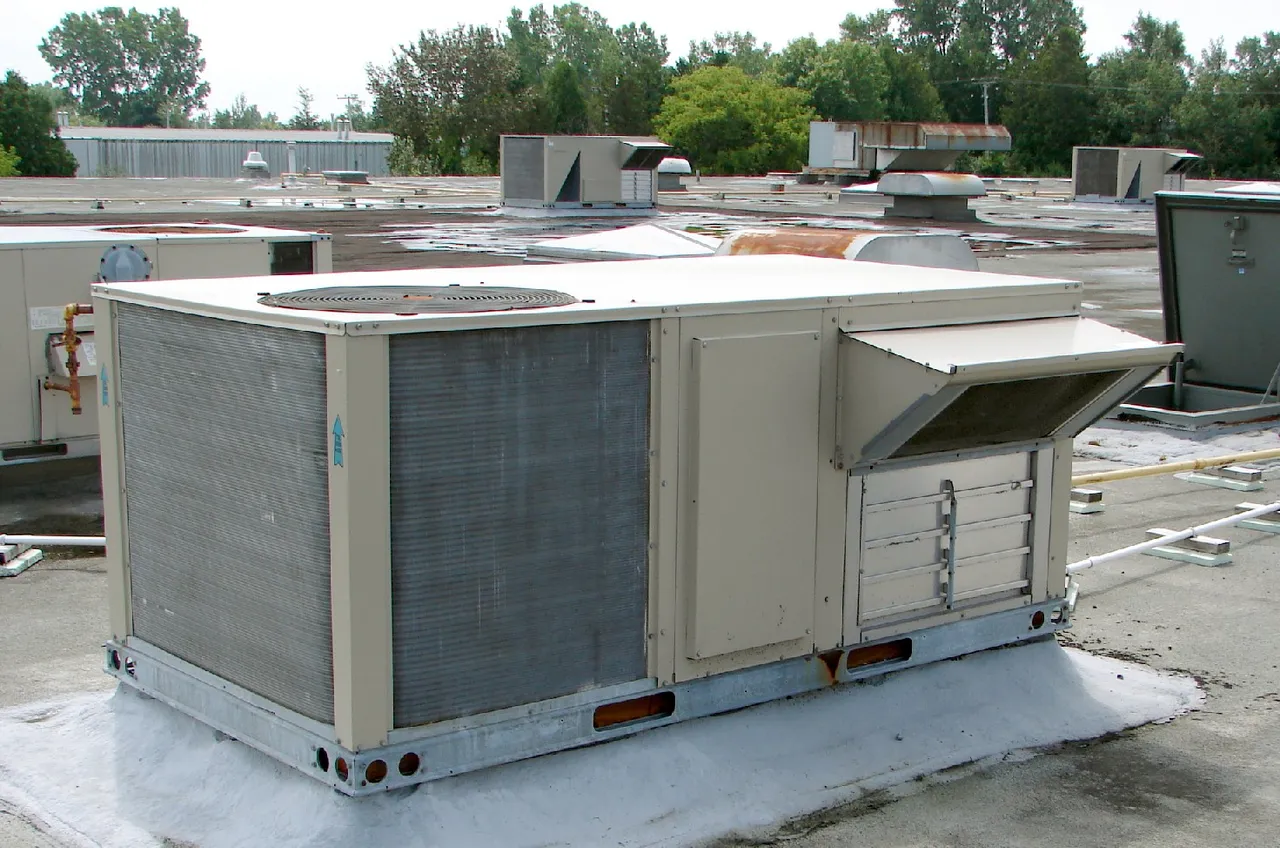
The money came through CalSHAPE, the California Schools Healthy Air, Plumbing and Efficiency program, created in 2020 with about $1 billion from utility ratepayers to upgrade school HVAC systems, the equipment that keeps classrooms breathable and, increasingly, survivable during heat waves.
Then the state pulled back. The California Energy Commission halted new applications in June 2024, about two years ahead of schedule, leaving roughly $200 million of the pool unspent, of which about $191 million remained as of CalMatters' reporting.
Who got left out
The scale of the shortfall is in the ratio. Of more than 4,500 schools identified with failing systems, only 172 received upgrade funding. The rest were, in effect, told to identify their problems and then denied the money to fix them.
Two districts show how that played out. Temecula Valley Unified received $4.6 million to assess its buildings and found that about a third of the air-conditioning units across 30 schools needed replacing, then could not apply for the funds to replace them. Torrance Unified got $2.4 million for assessments, identified 300 failed AC units, and missed the application deadline when the program closed early. "This was money that was pulled back unjustifiably," Torrance deputy superintendent Keith Butler told CalMatters. In Temecula, an energy manager, Greg Page, described a team "working by emergency pretty much nonstop during those hot times."
Why it was cut, and what happens to the money
The Energy Commission did not act arbitrarily, and fairness requires laying out its side. A 2025 audit found the program's "overly complicated funding process" was itself a problem, and the commission pointed to budget pressure and an October 2024 executive order from the governor directing a review of ratepayer-funded programs. In that light, halting a hard-to-administer program is a defensible management decision.
The harder question is what the leftover money is for. Lawmakers are now debating spending $70 million in interest earned on the fund on unrelated virtual power plant programs, rather than reopening CalSHAPE to the thousands of schools still waiting. That is the choice worth watching: whether money raised and set aside to cool classrooms goes to cooling classrooms, or gets redirected while schools with broken air conditioning stay broken.
The stakes
This is not an abstract budget line. California summers are getting hotter, extreme-heat days are increasing, and a classroom without working air conditioning is not a minor discomfort but a real barrier to learning and, at the extremes, a health risk to children. A fund created precisely to address that, sitting nearly $191 million unspent, is the kind of gap between intention and delivery that the Herald will keep reporting, including where the leftover money finally goes.