

Few would have bet that a three-hour-and-forty-minute Hindi musical about a village cricket match would end up at the Oscars. Lagaan did — and 25 years on, it is being feted anew.
The anniversary
Aamir Khan is set to mark the film's 25th anniversary with festival appearances this summer, headlining a curtain-raiser for the Indian Film Festival of Melbourne and taking part in 25th-anniversary events tied to the London Indian Film Festival, Variety reported, including a screening and an on-stage conversation. "We made the film with a lot of belief, passion and honesty, never imagining the kind of love it would receive," Khan said in a statement ahead of the events, adding that seeing it "still connect with audiences across generations and across geographies is very special."
What 'Lagaan' is
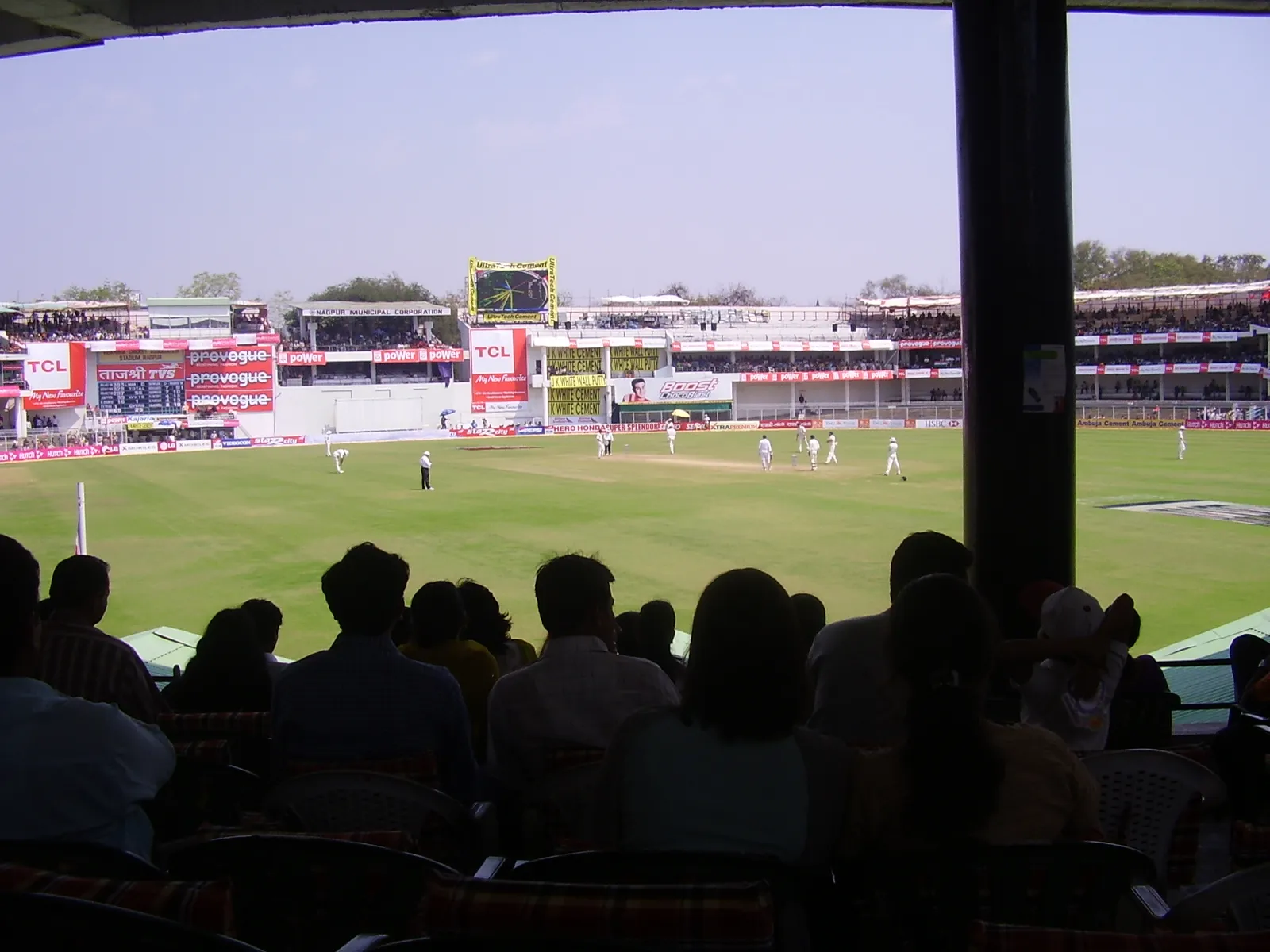
Released in 2001 and directed by Ashutosh Gowariker, Lagaan: Once Upon a Time in India follows Bhuvan (Khan), a farmer in a drought-stricken village in 1890s colonial India who dares the local British garrison into a wager: if his villagers — none of whom have played the game — win a cricket match, their punishing land tax, the lagaan, will be waived. The film swept India's Filmfare Awards and became only the third Indian film ever nominated for the Academy Award for Best Foreign Language Film, according to its history, after Mother India (1957) and Salaam Bombay! (1988); it lost at the ceremony to the Bosnian film No Man's Land.
Why it endured
Beyond the awards, the film has been credited with a quietly progressive streak — notably a scene in which Bhuvan insists on including a Dalit man with a disability on the team for his skill, confronting caste prejudice head-on. Its blend of sport, music and anti-colonial uplift helped carry Indian popular cinema to a global audience at a pivotal moment. That resonance is felt keenly in cities like Los Angeles, home to a large, multigenerational South Asian community for whom Lagaan has long been a shared touchstone. For Khan — since established as one of Hindi cinema's most exacting figures — the anniversary is a chance to sit with audiences and remember the improbable bet that a village cricket match could, for a few hours, change everything.