

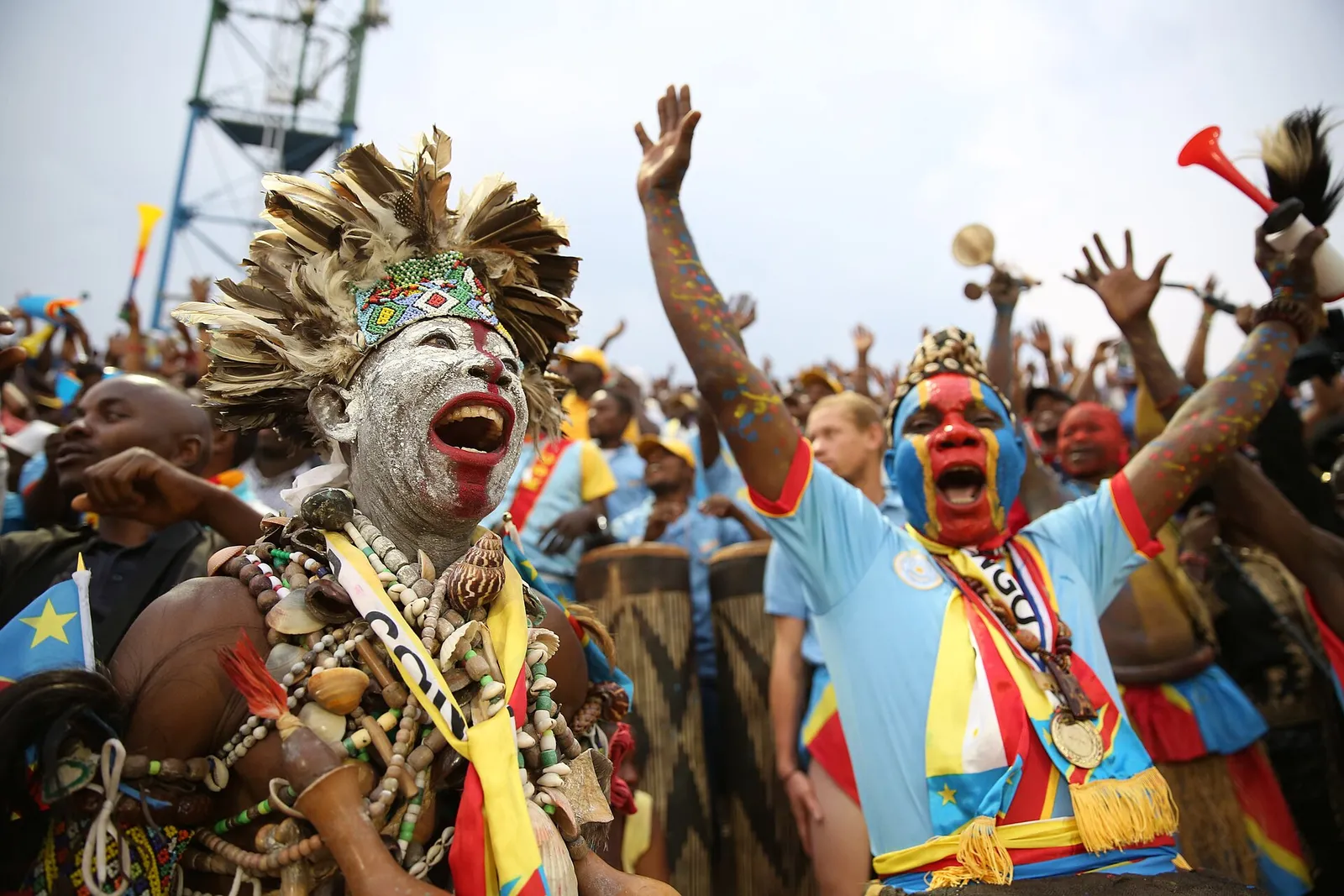
When the anthem played, that was the moment. For a country that had waited more than half a century to hear it at a World Cup, the football almost came second.
A long-awaited return
The Democratic Republic of Congo reached this World Cup for the first time since 1974, when the nation, then called Zaire, made its lone previous appearance. Drawn into a tough group, the Leopards drew with Portugal, beat Uzbekistan and lost to Colombia — enough to carry them out of the group and into the knockout stage, a first for the country in the modern era.
"I believe I am witnessing the greatest generation in the history of the DRC," supporter Héritier Muyisa told Al Jazeera, which gathered fans' reflections as the run ended. For another supporter, Cephas Agbwabe, the meaning was simpler and just as large: "It was the first time I'd heard my country's national anthem at a World Cup finals."
Wissa leads the way
On the field, striker Yoane Wissa became the face of the campaign, scoring three goals — the first by a Congolese player at a World Cup since that 1974 side. Each carried a weight beyond the game, a link between a distant appearance most fans were too young to remember and a present they could finally claim.
The end against England
The journey ended in the knockout round against England, which won 2-1, with Harry Kane's late goals rescuing the favorites from an upset. That Congo took one of the tournament's powers so close was, to its supporters, part of the point. "I think we played a good match," coach Sébastien Desabre said afterward, per Al Jazeera. "We were perhaps beaten by a little bit of experience." There was no bitterness in it — only the recognition of a side that had gone as far as it could against wealthier, deeper-resourced opponents.
What remains
For the DRC, a nation long defined in headlines by conflict, displacement and disease in its east, the Leopards offered a different image of itself — competitive, dignified, seen. That is what lingers now in Kinshasa and beyond: not the loss to England, but the run that got them there, and the sound of an anthem that a generation was hearing, at this stage, for the very first time.