


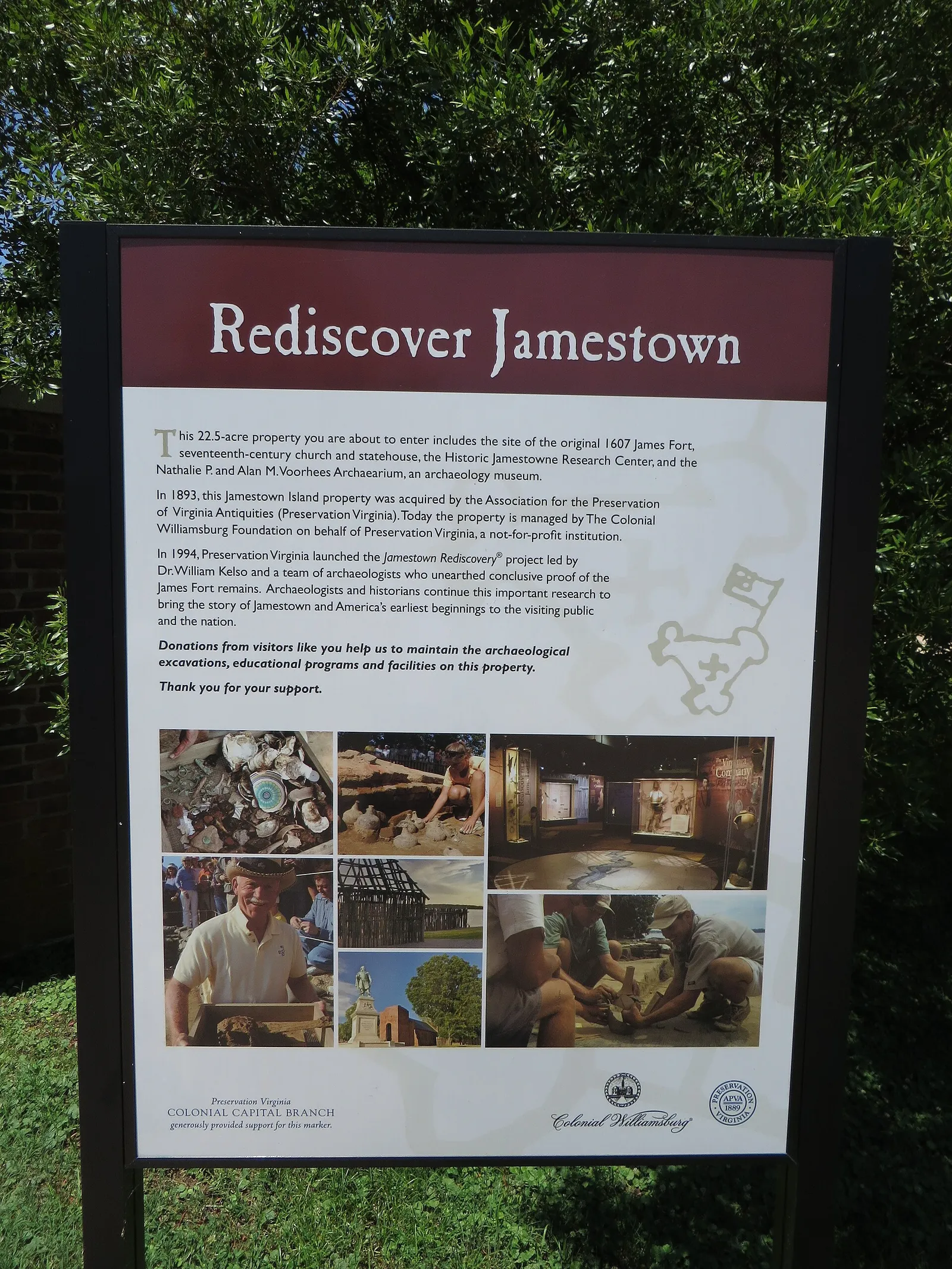
The signs at the country's national parks — the small plaques and panels that explain a battlefield, a plantation or a rising sea — have become the subject of a legal tug-of-war over American memory. This week, the administration gained the upper hand.
The ruling
The Boston-based U.S. Court of Appeals for the First Circuit stayed a lower-court order that had required the National Park Service to put back signs and exhibits removed under a Trump executive order, The Hill reported. The effect is to let the administration keep the material down, at least while the case proceeds — pausing, for now, a judge's directive that the displays be restored by the Fourth of July.
How it started
The fight traces to an executive order titled "Restoring Truth and Sanity to American History," which President Trump signed in March 2025 and which directed Interior Secretary Doug Burgum to strip from federal monuments, memorials and park signage any content that "inappropriately disparage[s] Americans past or living," PBS NewsHour reported. A lawsuit brought by park-advocacy and historical groups said the government went on to flag and begin removing hundreds of signs across the park system — among them exhibits about slavery at Independence National Historical Park in Philadelphia and panels describing climate threats at Fort Sumter in South Carolina.
In mid-June, U.S. District Judge Angel Kelley in Boston, an appointee of President Biden, ordered the signs restored. "Under the guise of promoting American dignity, this Administration seeks to share a limited history by ordering the removal of all signs, displays, and interpretive exhibits at National Parks that do not align with its preferred narrative, thereby telling half-truths," she wrote, according to CBS News, likening the policy to rewriting the country's history "with a white-out pen." The appeals court's action this week puts that order on hold.
The two views
The administration casts the effort as restoring a more affirmative, patriotic presentation of American history, arguing the government is entitled to decide the message on its own property and that some displays dwelled on the country's failings. Historians, park advocates and the plaintiffs counter that scrubbing references to slavery, Indigenous removal or environmental damage amounts to sanitizing the past — replacing a fuller account with a flattering one.
Why the timing matters
The clash is unfolding as the country moves into the run-up to its 250th anniversary in 2026, a moment both sides invoke. For the administration, it is an occasion to emphasize national pride; for critics, an argument that an honest reckoning with history is itself patriotic. The litigation is not over — the appeals court's decision is a pause, not a final word — but as Americans visit parks and monuments over the holiday weekend, the plaques they read, or no longer find, are now part of the dispute.