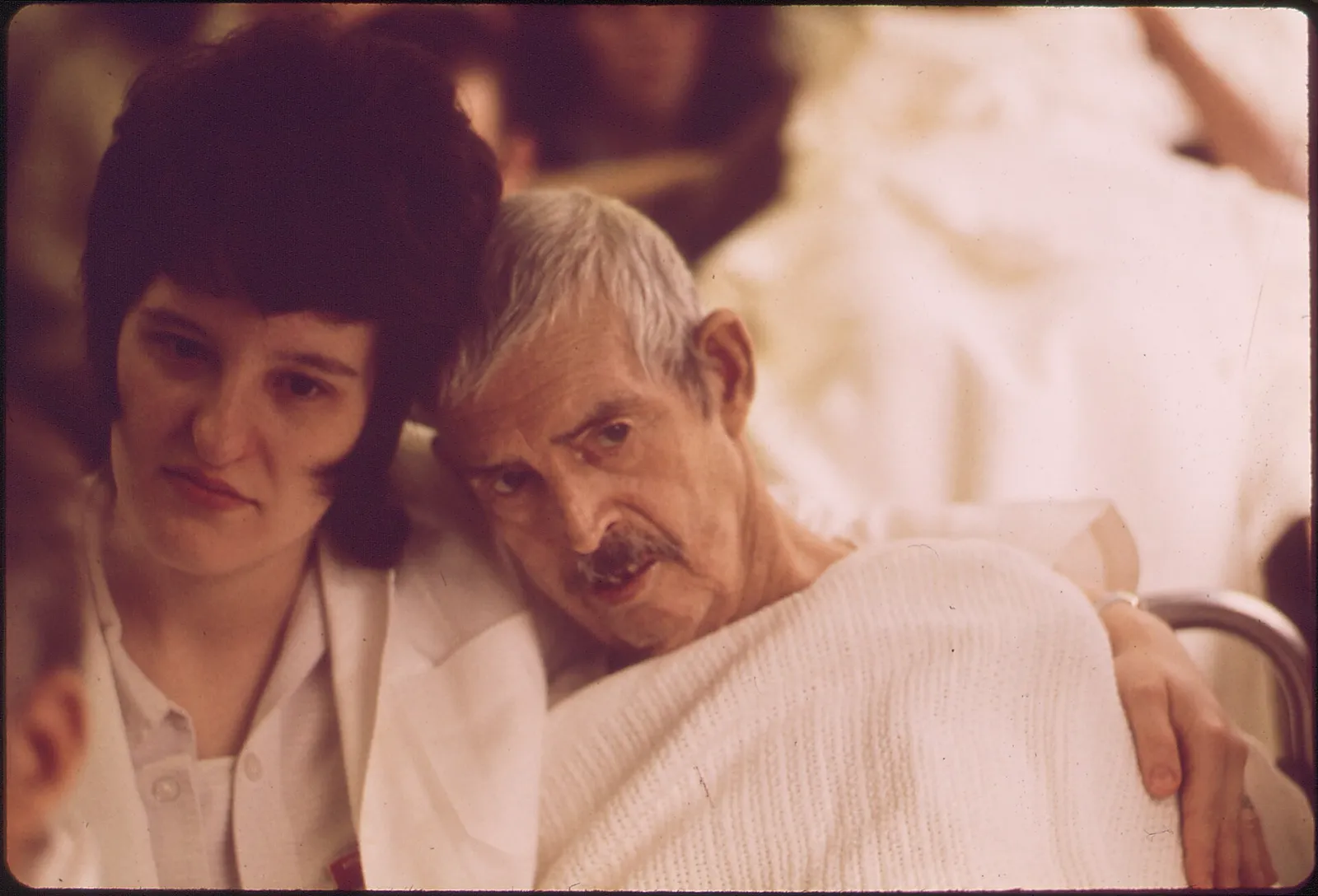
The end of a temporary immigration shield for Haitians is landing hardest in an unglamorous corner of the economy: the workforce that bathes, feeds and lifts America's oldest and sickest.
What changed
Last month, the Supreme Court ruled that the Trump administration could terminate Temporary Protected Status for Haitian nationals — a program that shielded roughly 350,000 people from deportation and let them work legally. Federal immigration officials said the affected work permits would expire in mid-July. (This story is about the labor-market consequences of that decision, not the legal reasoning behind it, which the Herald has covered separately.)
How many work in care
Immigrants make up a large and growing share of America's direct-care workers. About 28% of the long-term-care direct-care workforce — more than 800,000 people — are immigrants, up from 24% in 2018, according to a KFF analysis of census data, with the share highest in home care, at roughly a third. Haitians are a meaningful slice of that pool: advocacy and research groups estimate that about one-third of Haitian TPS holders work in health care, including thousands of nursing assistants.
Why immigrants fill these jobs
The reliance is rooted in economics, not preference. Direct-care work pays a median of about $17 an hour — near or below the poverty line for many — and researchers tie the low wages chiefly to Medicaid reimbursement rates, not immigration. As U.S.-born workers left the field over the past decade, immigrants filled the gap. Studies of the health-care labor market have found that when immigration rises, the local care workforce grows with it.
What providers warn
Care employers say there is no reserve to draw on. "There is no workforce waiting in the wings," said Katie Smith Sloan, president of LeadingAge, which represents nonprofit aging-services providers, warning that affected staff could "lose their jobs overnight," as KFF Health News reported. The American Health Care Association, which represents nursing homes, called for "clear, streamlined legal pathways for qualified international caregivers." Industry surveys already show about half of nursing homes limiting admissions for lack of staff.
The administration's case
Officials frame the move as restoring the program to its intended, temporary purpose. Homeland Security Secretary Kristi Noem has said conditions in Haiti had "improved enough that it is safe for Haitian citizens to return home," and another official, Markwayne Mullin, said the status "was never intended to be permanent" and that recipients "could have applied for a visa." A federal notice cited national-interest considerations, and the government has offered a voluntary-departure payment of about $2,100. The administration's official justification does not rest on labor-market effects; those figures come from the industry and its allies. The fact-checking site PolitiFact rated the claim that Haiti is now safe as unsupported.
Any fixes?
There is no U.S. visa dedicated to direct-care workers, and existing categories are backlogged. Several bills introduced this year would try to close the gap, including measures aimed at care workers and the broader health workforce, but none have become law. Absent a change, providers say, the math is stark: an aging country needs more caregivers, and one of its largest sources of them is about to shrink.