

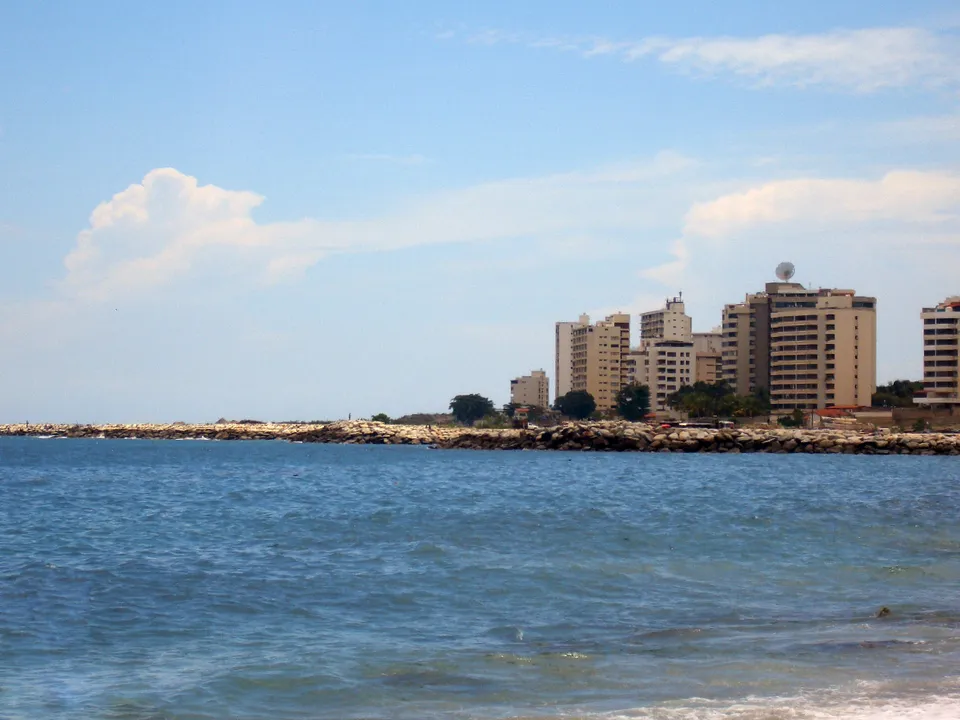
The immediate danger of Venezuela's earthquakes is giving way to a slower one, aid workers say: the threat of disease and deprivation among the survivors.
'A war zone'
A week after back-to-back magnitude 7.2 and 7.5 quakes struck Venezuela's Caribbean coast on June 24, the port city of La Guaira and nearby Catia La Mar remain in ruins. "It looks like a war zone," one volunteer relief worker, Kevin Simm, told Al Jazeera, which reported the death toll had climbed past 2,200, with more than 11,000 people injured and tens of thousands displaced. The Herald could not independently verify the latest figures, which come from Venezuelan authorities and Al Jazeera's reporting; earlier this week the confirmed toll stood above 1,700.
A health system already frail
What worries relief workers most is what comes next. Venezuela's public-health system was fragile long before the ground shook, hollowed out by more than a decade of economic collapse that drove many doctors abroad. The earthquakes have pushed it toward crisis. A trauma-unit physician at a Caracas hospital told Al Jazeera that a large share of emergency and operating-room supplies were unavailable, leaving surgeons to treat crush injuries without reliable equipment.
Aid workers say the greater danger now lies in the crowded shelters housing displaced families. Diarrheal illness has already been reported, according to Al Jazeera, and the conditions — overcrowding, limited clean water, inadequate sanitation — are those that spread waterborne diseases. Relief workers singled out the lack of portable sanitation at displacement sites as an urgent gap.
Relief arrives, gaps remain
International help has poured in. More than 50 search-and-rescue teams have reached Venezuela from countries including Ecuador, Israel and Vietnam, Al Jazeera reported, and the United States has offered hundreds of millions of dollars in aid and deployed military personnel through its Southern Command. A Los Angeles County urban search-and-rescue team has been among the responders; on June 30, rescuers pulled a 2-year-old boy alive from the rubble six days after the quakes, a rare bright moment the Herald reported earlier.
Even so, aid workers describe shortfalls in coordination and supplies, and the United Nations' development agency has estimated material damage in the billions of dollars — a scale far beyond Venezuela's capacity to manage alone.
A narrowing window
For the hundreds of thousands sheltering in makeshift camps and open lots, the risk has shifted from the collapse itself to the harder-to-see dangers of illness and want. Relief workers warn that the window to prevent a second wave of deaths — this one from disease rather than rubble — is closing, and that it will depend on getting clean water, sanitation and medical supplies to the displaced quickly.