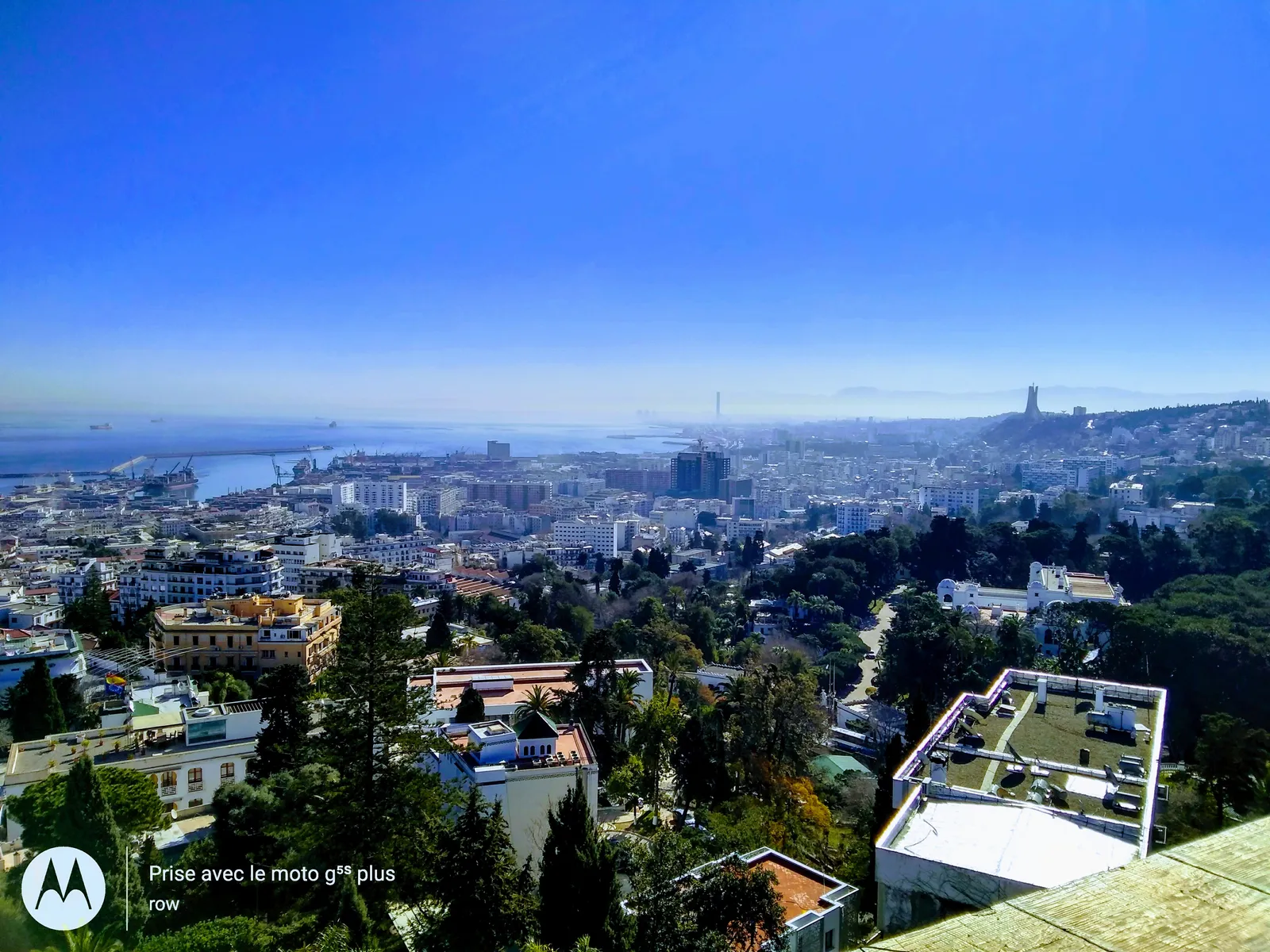
Seven years after millions of Algerians filled the streets to demand change, the country is holding a vote that will test how much of that moment survives.
What's on the ballot
Algerians go to the polls this week to fill all 407 seats in the People's National Assembly, the lower house of parliament, in an election contested under a proportional-representation system, Al Jazeera reported. More than 24 million citizens are registered to vote, including hundreds of thousands abroad. The long-dominant National Liberation Front (FLN), which has led Algerian politics since independence in 1962, is defending its position against a pro-government ally, an Islamist-leaning party and a field of independents.
The shadow of Hirak
The vote arrives more than seven years after the Hirak movement — a sustained wave of peaceful protests that erupted in early 2019 when then-President Abdelaziz Bouteflika, in power for two decades, moved to seek another term. The demonstrations forced his resignation. President Abdelmadjid Tebboune, elected later that year, has cast the period as one of national renewal and points to constitutional and institutional changes; critics counter that real power remains concentrated in the presidency and, behind it, the military, and that space for independent media, civil society and opposition has narrowed rather than opened. One of the most prominent Hirak-era figures, Karim Tabbou, has faced repeated arrest since 2019, per Al Jazeera.
Turnout as the verdict
Because the outcome is not widely in doubt, the figure to watch is participation. Algeria's last legislative elections, in 2021, drew only about 23 percent of registered voters — a number the opposition read as a verdict of disillusionment. A low turnout again would undercut the government's claim to reform-built legitimacy; a stronger showing would complicate that picture. Some parties that had boycotted previous votes chose to take part this time, a shift analysts read either as pragmatism or as normalization of a system they consider unchanged.
Why it matters beyond Algeria
Algeria's stability carries weight well past its borders. The largest country in Africa by area, it is a major oil and natural-gas producer whose role as a gas supplier to Europe grew after Russia's invasion of Ukraine reshaped the continent's energy map. It shares long borders with Mali, Niger and Libya — all in turmoil — and has cast itself as a regional mediator. How its politics evolve bears on migration, counterterrorism cooperation and energy across the Mediterranean. Whether this week's vote signals a genuine opening or simply continuity, many Algerians may answer most clearly not at the ballot box but by whether they show up at all.