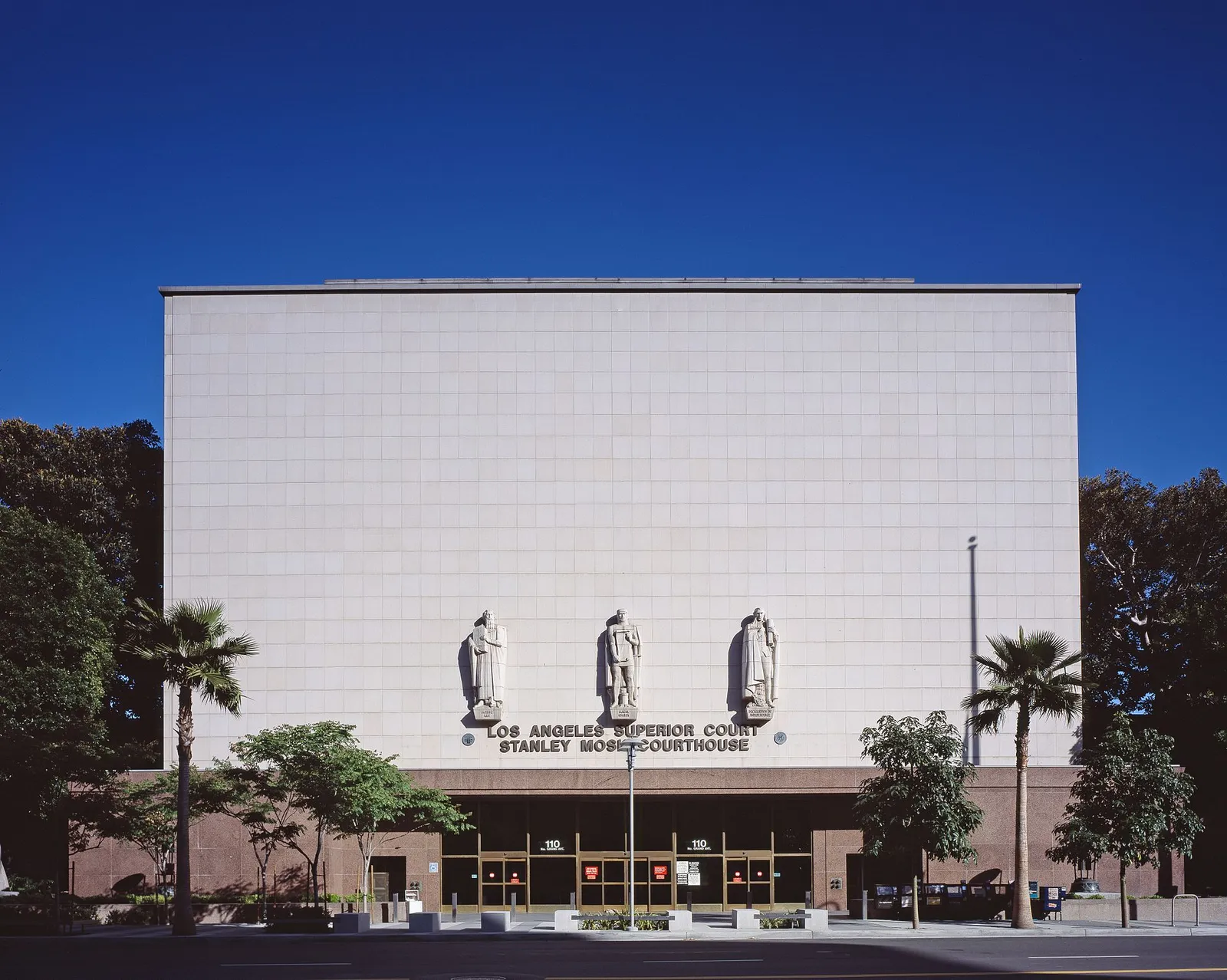
The preliminary hearing for the musician known as D4vd continued in a Los Angeles courtroom on Tuesday, with prosecutors spending the second day building a financial portrait of the defendant and arguing that his career gave him a motive to kill, ABC7 reports.
What a preliminary hearing is
Because this is an early stage, it is worth being precise about what is and is not happening. A preliminary hearing is not a trial. The prosecution presents enough of its evidence for a judge to decide whether there is probable cause to send the case to trial. No jury is present, no verdict is reached, and the defendant is presumed innocent throughout. Judge Charlaine F. Olmedo is hearing the case.
The defendant is David Burke, who performs as D4vd. He has been held without bail since his arrest in April and faces charges of first-degree murder, continuous sexual abuse of a child under 14, and mutilation of human remains. The victim is Celeste Rivas Hernandez, who was 14. Her dismembered remains were found in September 2025 in a Tesla registered to Burke, at a Hollywood impound lot.
Tuesday's testimony
The witness at the center of the day was Benjamin Gregor, described as Burke's money manager. His testimony went to a specific point the prosecution is trying to establish: that Burke knew the victim personally.
Gregor testified that he was aware of the victim's first name, and that he had heard it from Burke's manager, Rob Morgenroth. Prosecutors, for their part, allege that Burke knew Rivas Hernandez's name and that she was his girlfriend, a claim the defense is under no obligation to accept and which the hearing exists to test.
The motive the state is arguing
The reason prosecutors dwelt on money is that they are advancing a motive tied to Burke's success. By their account, Burke earned more than $10 million between 2023 and 2025 as his music career took off, and they allege he killed Rivas Hernandez to keep their relationship hidden and protect that career from the fallout of it becoming public.
That is the prosecution's theory, not a finding. It is the narrative they must support with evidence, and the defense will contest it. Presented at a preliminary hearing, a motive argument is an assertion about why the state believes the case should proceed, not a proven fact.
A limit the judge set
One exchange showed the judge policing the boundaries of the proceeding. When questioning turned to visits to nightclubs using fake identification, Olmedo halted that line of inquiry, ruling it improper. It is the kind of ruling that keeps a hearing focused on what is legally relevant to probable cause rather than on character.
The hearing is ongoing, and the judge has not yet ruled on whether the case will advance to trial. The Herald will report that decision when it comes, and will continue to cover the case with the restraint a proceeding involving a child victim demands: the facts established in court, the charges as charged, and the presumption of innocence that applies until a verdict, if there is one, says otherwise.