

The workers who make Broadway shine before every curtain are asking for a bigger share of a record-breaking season.
What the vote means
About 250 cleaners across some 30 Broadway theaters voted to authorize a strike, their union, 32BJ SEIU, said. A strike-authorization vote is not the same as a walkout: it gives union leaders the power to call a strike if negotiations break down, and serves as leverage at the bargaining table. Talks are continuing, the union said, and no stoppage is imminent.
The demands
The cleaners, whose contract has expired, work in theaters run by Broadway's major operators, represented in talks by the Broadway League. Among the workers' demands, according to The Hollywood Reporter, are wage increases keyed to the city's high cost of living, employer-paid family health coverage, stronger pension and paid-leave benefits, protections against retaliation for taking sick leave, and anti-discrimination language including provisions modeled on the CROWN Act, which bars discrimination based on natural hairstyles. "With the high cost of inflation in the city ... our members are deeply struggling," said Denis Johnston, a 32BJ SEIU executive vice president, who argued that a booming Broadway can afford to pay the workers who sustain it.
The stakes
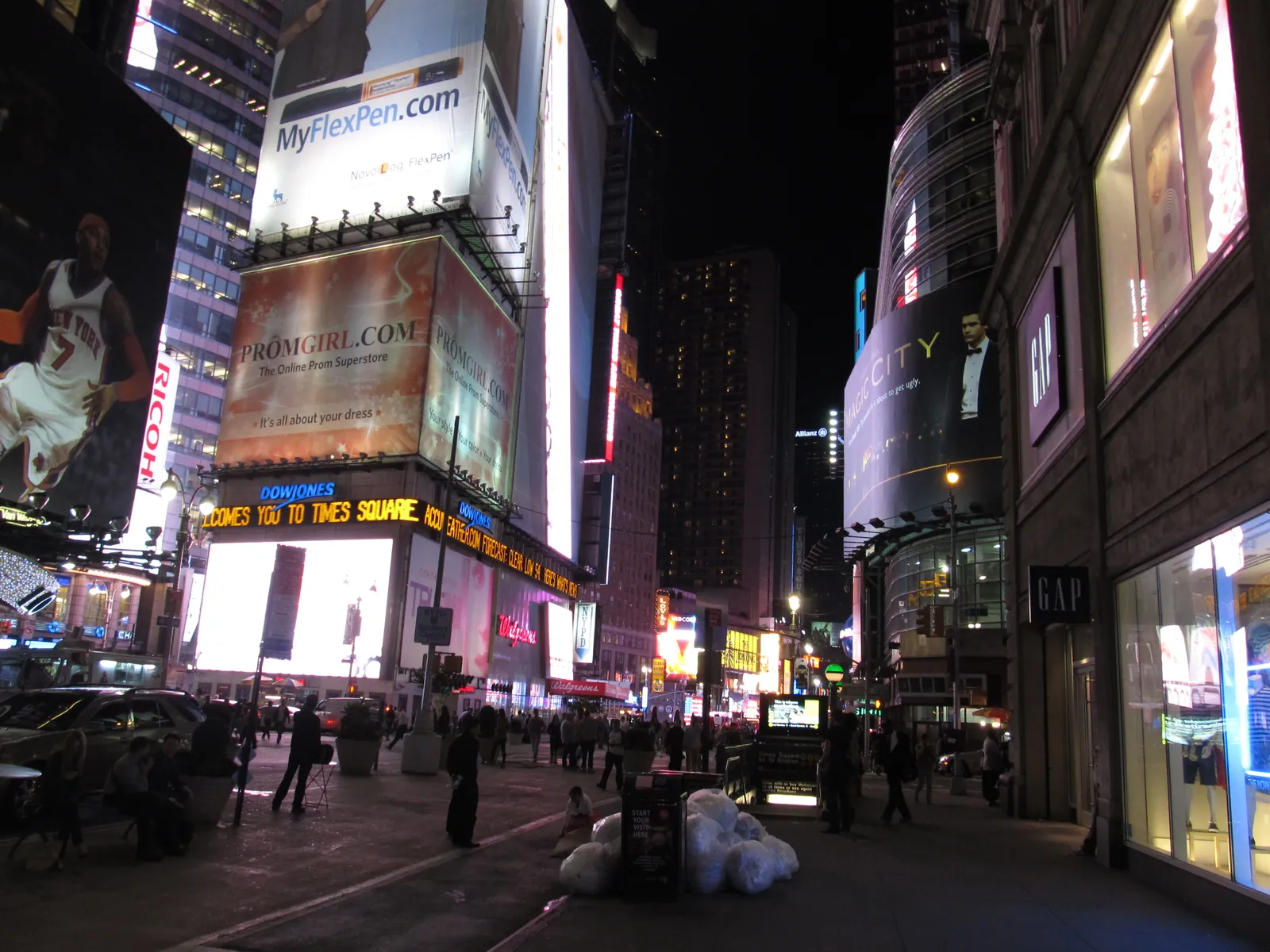
The backdrop is a banner season: Broadway grossed about $1.9 billion in ticket sales in 2025-26, BroadwayWorld reported, a figure the union cites as evidence the industry can do better by its lowest-paid workers. A walkout, if one were ever called, could disrupt performances across the theater district. The Broadway League did not immediately comment, according to the reports, leaving management's full position unstated for now.
More than money
Union representatives have framed the fight as being about dignity as much as pay — the CROWN Act and anti-retaliation provisions aimed at a workforce made up substantially of immigrants and workers of color. As one cleaner put it, the goal is "a contract that reflects our essential role in this industry." Whether the two sides can close the gap in the coming days will determine if Broadway's least visible workers share in its most lucrative season — or whether the lights dim for an unscripted reason.