

California is weighing whether to start watching for math trouble almost as soon as children start school.
The proposal
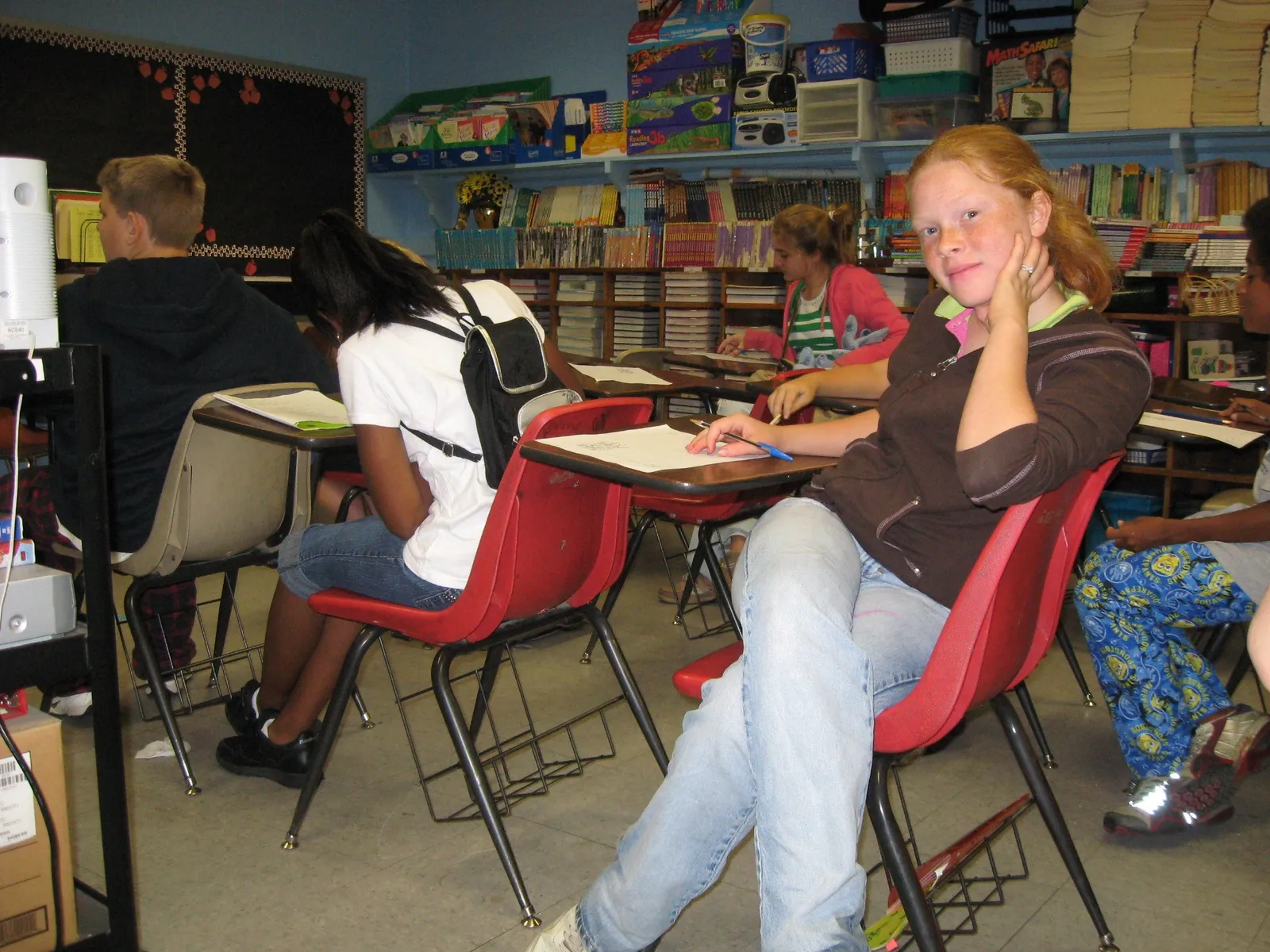
Senate Bill 1067, introduced this year by state Sen. Akilah Weber Pierson, a San Diego Democrat, would direct schools to give short math screenings to students in kindergarten through second grade and connect those who are struggling with extra help, CalMatters reported. The checks would be brief — on the order of 10 to 20 minutes — and diagnostic rather than graded: a young child might be asked which group of dots is larger, or to show that the numeral "3" stands for three objects. English learners would be screened in their home language where feasible, and parents could opt their children out.
How it would work
Districts would not choose screening tools at random. Under the bill, a state-appointed panel would assemble an approved list of evidence-based, age-appropriate screeners, and districts would pick from it and begin screening by the 2028-29 school year, according to the bill. The measure explicitly bars using the results for high-stakes purposes — no grade retention, no teacher evaluations, no gifted-program placement. It remained in committee as of late June after clearing an early Senate education committee vote.
Why supporters want it
Backers point to California's math results. Only about 37 percent of the state's students met grade-level math standards in 2025, and California ranks near the bottom nationally in fourth-grade math, KPBS reported; the gaps are far wider for some groups of students. Supporters, including the nonprofit EdVoice that helped drive California's recent early-literacy and dyslexia-screening overhaul, argue that early math skills strongly predict later success and that math deserves the same early-warning system reading is getting. More than 20 other states already run some form of early math screening, they note.
Why critics push back
Opposition is substantial. The California Teachers Association, the state's mathematics council and groups representing county superintendents and school administrators have raised concerns. Critics argue a brief screener can't capture the problem-solving and reasoning that California's math framework emphasizes, and worry it could push teachers toward drilling narrow skills. Others say screening will accomplish little unless the state also funds the tutoring and intervention needed to help the children it flags — and some early-grade teachers fear the checks could focus attention on a young child's deficits at the very start of their schooling. Supporters counter that identifying a struggling child early, without stakes attached, is exactly how to help before a small gap becomes a lasting one.