

The quarter that began in fear ended in records.
The numbers
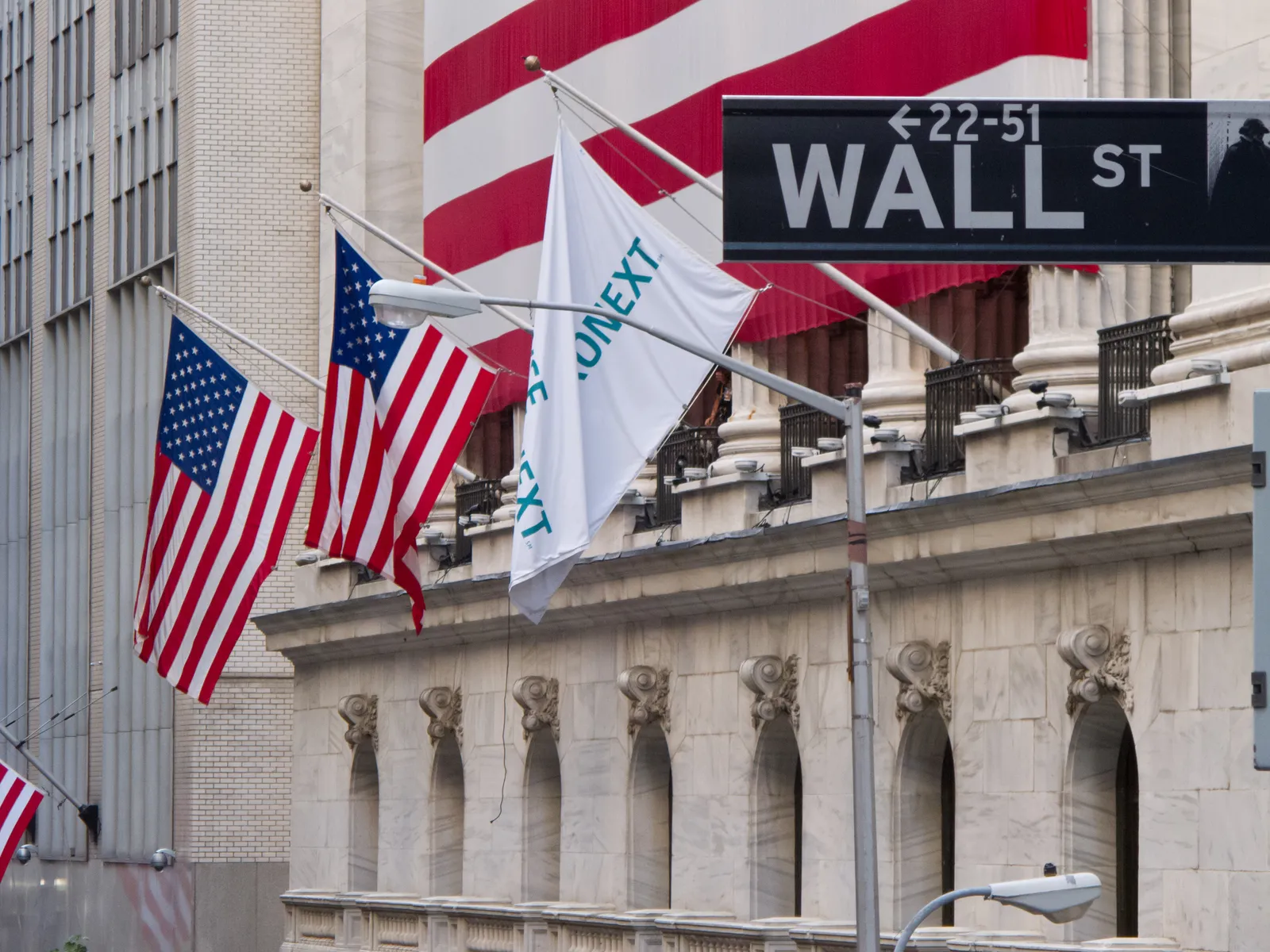
The S&P 500 rose roughly 14 percent from April through June — its best quarter since the pandemic-rebound quarter of 2020 — while the tech-heavy Nasdaq Composite climbed about 20 percent, also its strongest showing since that 2020 recovery, CNBC reported. The Dow Jones Industrial Average notched its best first half in five years, according to CNBC and Deseret News. Chipmakers led the charge, with semiconductor stocks posting their strongest first half on record.
The Iran factor
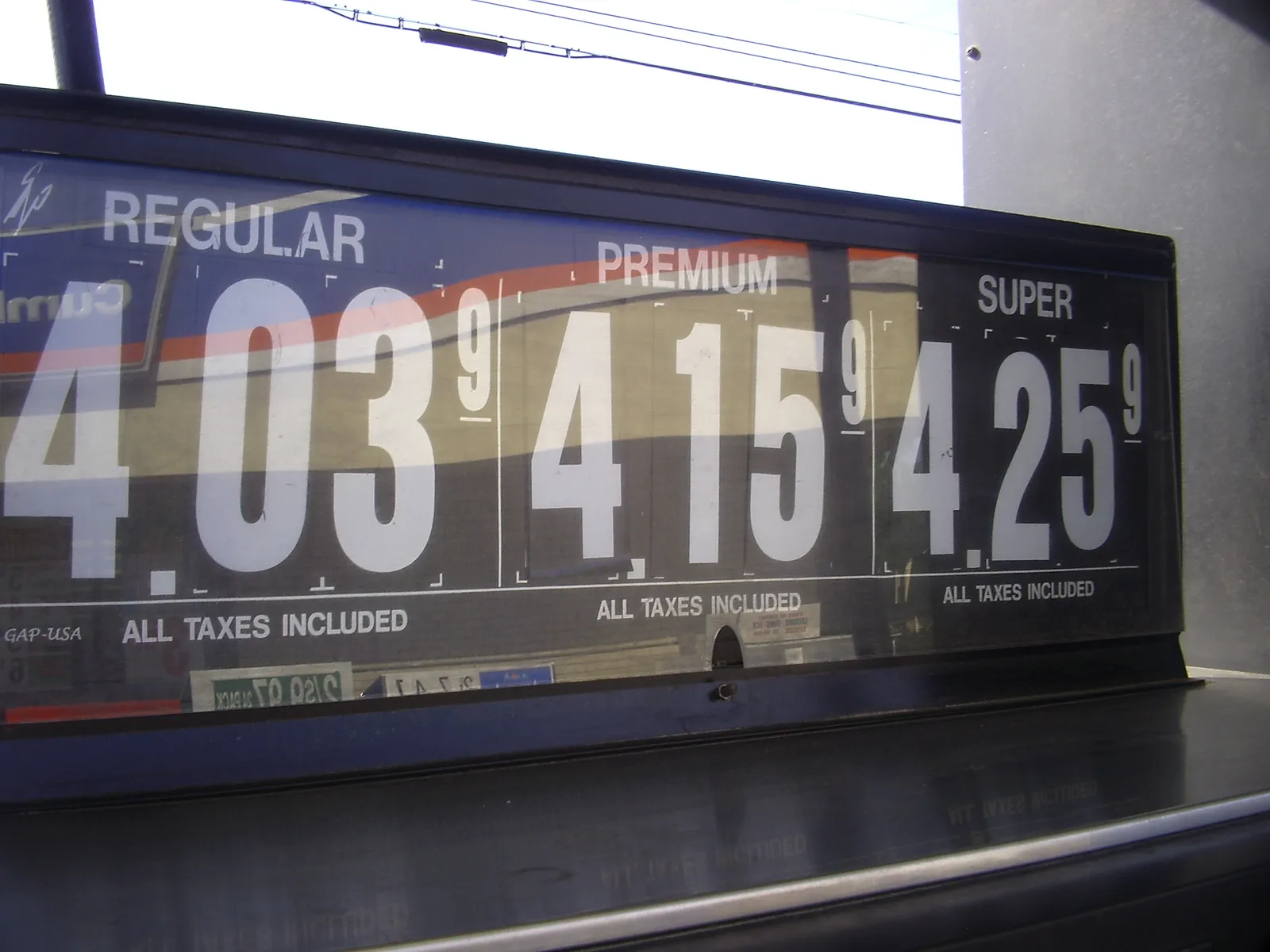
The rally's foundation was geopolitical relief. After the spring's U.S.-Iran confrontation effectively shut the Strait of Hormuz — the chokepoint for roughly a fifth of the world's seaborne oil — Brent crude spiked above $110 a barrel. A framework agreement between Washington and Tehran in mid-June reopened the strait and sent oil tumbling back toward $73, easing the inflation math and clearing a path for the Federal Reserve to resume cutting interest rates. That combination of cheaper energy and the prospect of rate cuts lifted stocks broadly.
The AI engine
If geopolitics cleared the runway, artificial intelligence supplied the fuel. Technology shares roared back as earnings appeared to validate the heavy corporate spending on AI, with the sector posting sharp profit growth and Nvidia — the dominant maker of AI chips — reporting another quarter of surging revenue. The strength was concentrated at the top: technology now accounts for roughly 39 percent of the S&P 500's total value, Benzinga noted, surpassing even the concentration seen at the peak of the dot-com boom in 2000.
The skeptics
That concentration is exactly what worries some analysts. A market driven by a handful of giant technology names is vulnerable if even one disappoints, and several valuation gauges sit near historic highs. Inflation, while cooler, has not vanished, leaving open the possibility that the Fed holds rates steady rather than cutting. Wedbush's Dan Ives, a prominent tech bull, framed the coming weeks as a "gut check" for the trade as second-quarter earnings reports arrive in July and are measured against the lofty expectations now baked into prices.
What's next
The second half hinges on two threads: whether AI earnings keep justifying the sector's rich multiples, and whether the fragile calm around the Strait of Hormuz holds. For now, investors have chosen to look past the risks — but a single weak earnings report or a fresh flare-up in the Gulf could test how solid the ground beneath this record quarter really is.