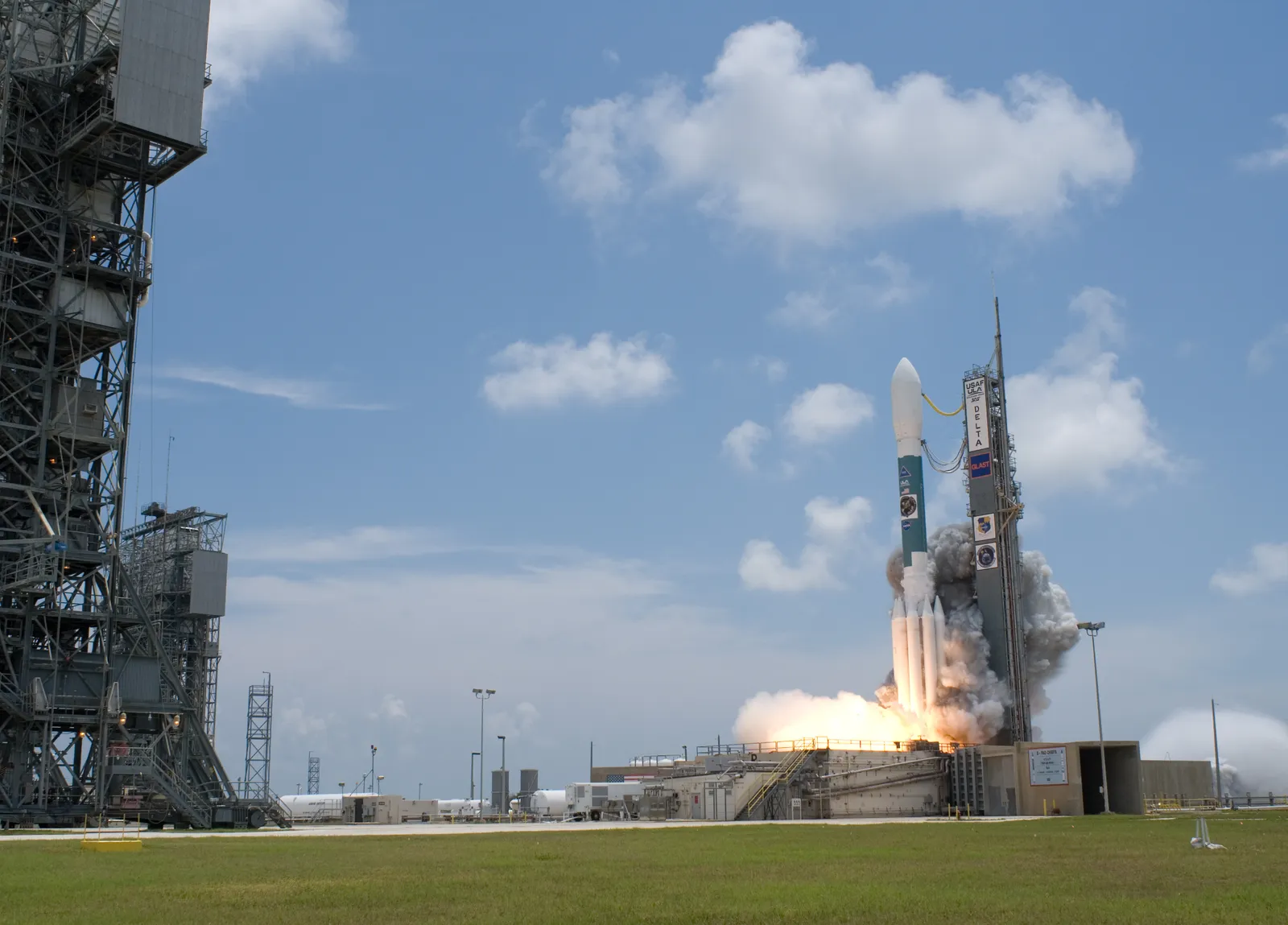


The fear that sent oil prices soaring this spring has, just as quickly, drained out of the market.
A steep reversal
Crude is on course to finish the second quarter of 2026 with its largest quarterly percentage decline since the pandemic collapse of 2020, MarketWatch reported. U.S. benchmark West Texas Intermediate was trading just under $70 a barrel and global benchmark Brent near $73 at the end of June — both down sharply from the spring, when WTI spiked above $115 as the U.S.-Iran conflict raised fears that shipping through the Strait of Hormuz could be cut off. With those fears receding, the war premium has largely evaporated.
What eased the crunch
The turn followed the resumption of U.S.-Iran talks in Doha and a reopening of Hormuz tanker traffic, which together unwound the spring's supply scare, the International Energy Agency said in its June oil market report. Crude is now arriving from several directions at once: strong output growth across the Americas, large releases from the U.S. Strategic Petroleum Reserve during the crisis, and OPEC+ production that has stayed high even as prices fell. At the same time, the IEA trimmed its forecast for global oil demand this year, citing softer industrial activity — leaving more barrels chasing weaker consumption.
What it means at the pump
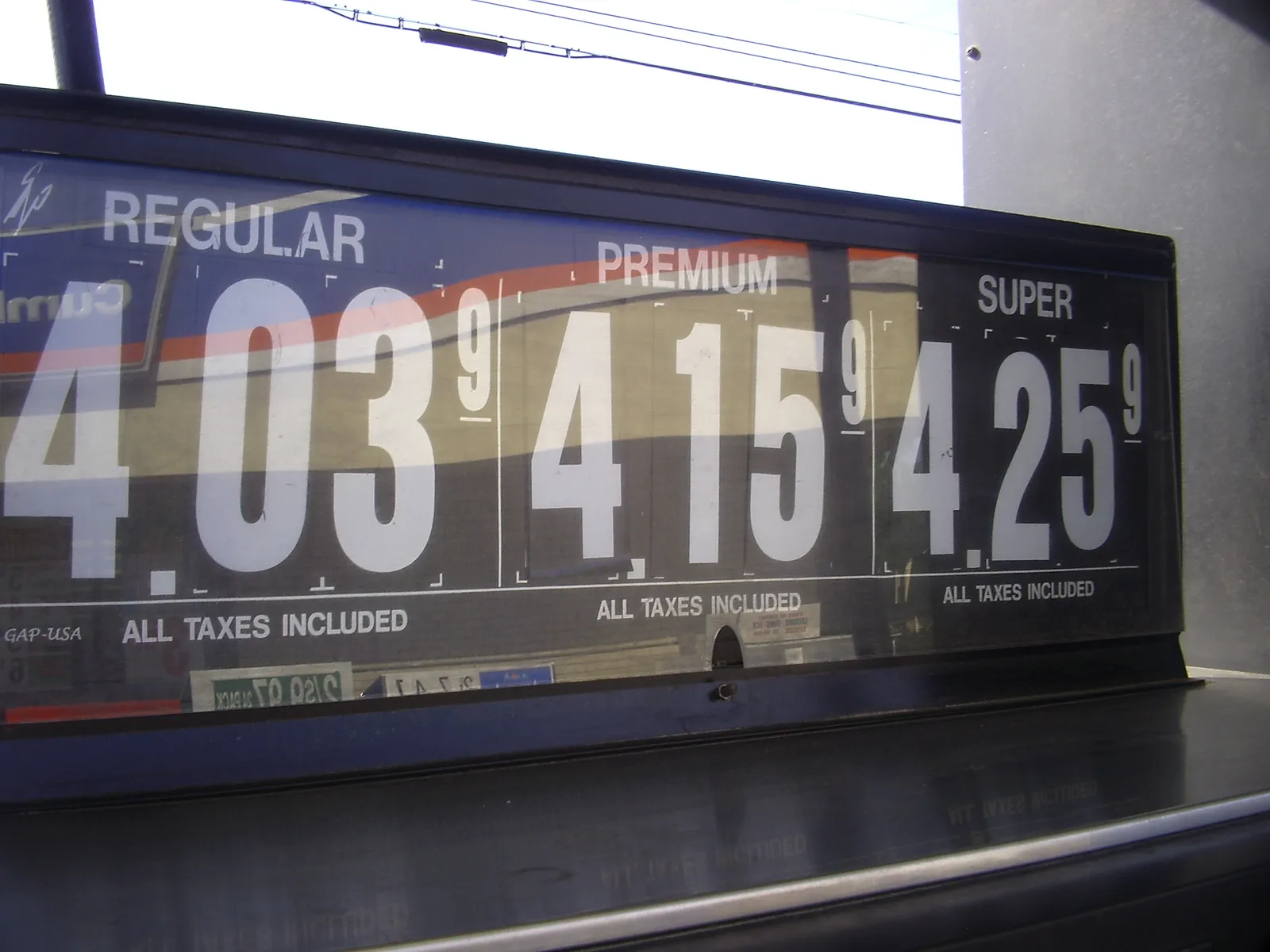
For drivers, the relief is real but partial. The national average for regular gasoline was about $3.85 a gallon at the end of June, down from above $4.60 in May, according to AAA. California, as usual, sits far higher — its statewide average was around $5.43, among the most expensive in the country — but it too has eased from the quarter's peak. Falling energy costs also tend to pull down headline inflation, a dynamic Federal Reserve officials are watching as they weigh interest-rate decisions in the second half of the year.
The outlook
The IEA cautions that the pressure on prices may persist: it projects a sizable jump in global supply into 2027 as Gulf producers restore output and non-OPEC production keeps growing, even as demand recovers only modestly. That arithmetic points to a market more likely to tip toward surplus than shortage unless OPEC+ moves to rein in production — a coordination its members have struggled to reach this year. For now, the salient fact is the speed of the descent: a barrel that traded above $115 in the spring is back near $70, and whether that marks a floor or a way station depends largely on whether the calm around the Strait of Hormuz holds.