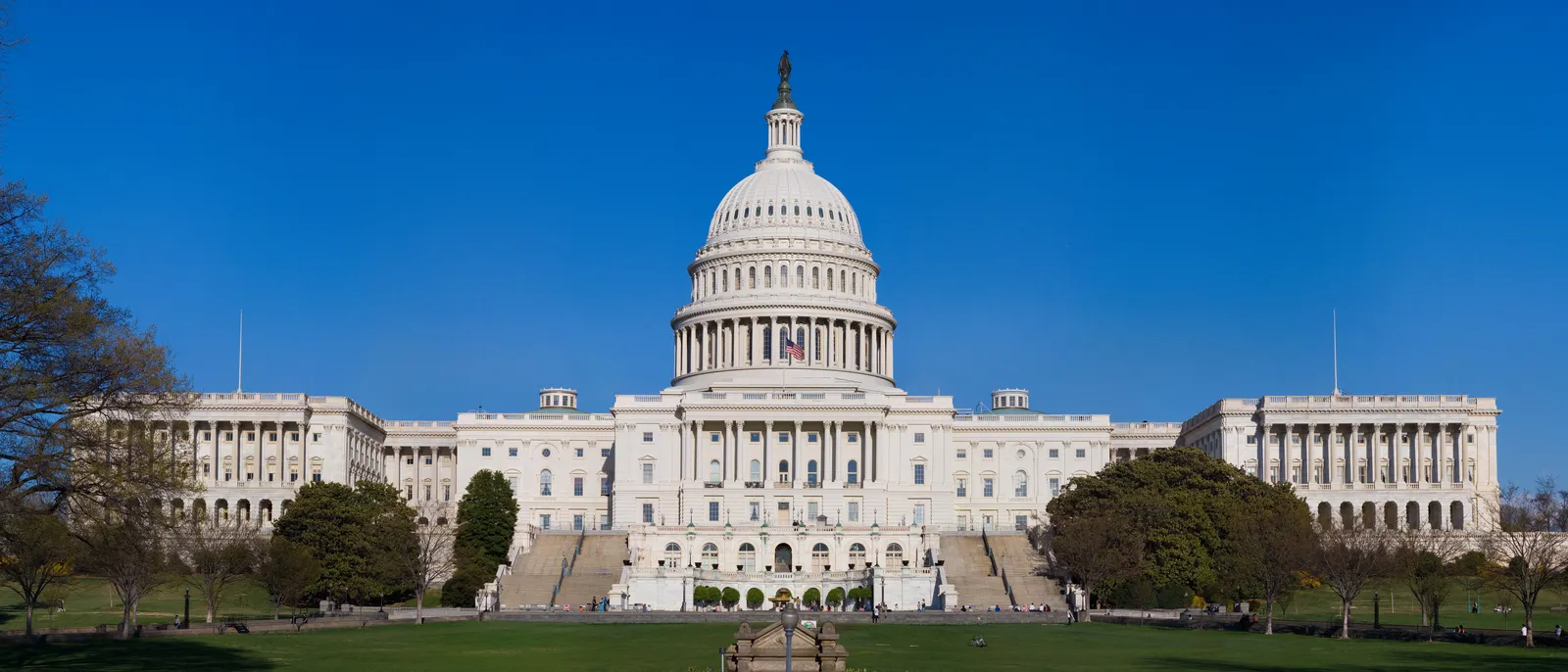
A small group of Republicans brought the House to a standstill on Tuesday, blocking their own leadership's defense bill to force action on an unrelated fight over elections.
What happened, and why a 'rule' matters
Before the House can debate a major bill, it must first approve a procedural measure known as a "rule," which sets the terms of floor debate. Blocking the rule stops the bill cold — and that is what a group of Republicans did to the annual National Defense Authorization Act, the must-pass policy bill that sets military pay, weapons purchases and Pentagon policy. The rule vote failed 198-224, with 14 Republicans joining all Democrats against it, The Hill reported, shelving the legislation before debate could begin.
What the holdouts want
At the center of the revolt is the SAVE Act, a Republican measure backed by President Trump that would require documentary proof of U.S. citizenship to register for federal elections. The holdouts — among them Reps. Anna Paulina Luna of Florida, Chip Roy of Texas, Thomas Massie of Kentucky and Lauren Boebert of Colorado — want the measure written directly into the defense bill's text, rather than merely attached through a procedural maneuver, the Washington Examiner reported. Luna dismissed Speaker Mike Johnson's plan to bundle the two bills as a "procedural head fake," arguing the Senate could later strip the election provisions out.
Leadership's position
Johnson, who had crafted the bundling strategy after the Rules Committee advanced it, defended the defense bill and said the blockade made little sense given the legislation's contents, according to NOTUS. He pledged to try again within roughly a day and a half. Democrats offered no help: Rep. Jim McGovern of Massachusetts, the top Democrat on the Rules Committee, called the maneuver a "shell game." Even if the bundled bill cleared the House, it would face long odds in the Senate, where 60 votes are needed to overcome a filibuster — a threshold Republicans do not hold, and where the election provisions are expected to meet firm Democratic opposition.
The stakes
Congress has passed the defense authorization bill every year for more than six decades, and this year's version carries hundreds of policy provisions and military funding decisions. With more than 300 amendments pending and the Independence Day recess approaching, the standoff compresses an already tight calendar. Whether Johnson can find the votes to break the logjam — or the holdouts hold firm — will determine whether a streak stretching back generations survives the week intact.