The Supreme Court has answered, decisively, one of the most charged constitutional questions of Trump's second term — and the answer was no.
The ruling
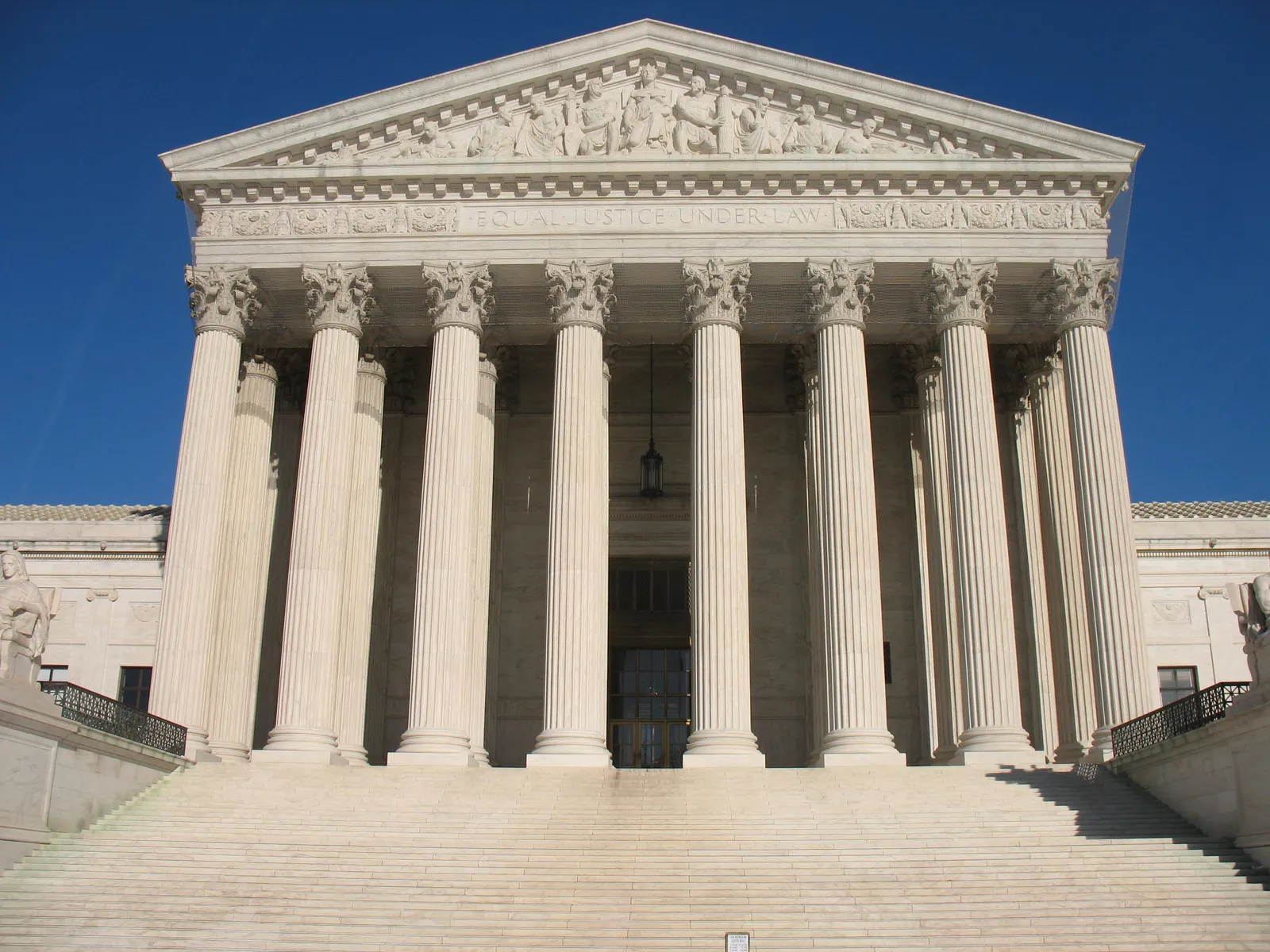
In a 6-3 decision issued Tuesday, the Court struck down the executive order Trump signed on his first day back in office, which sought to deny automatic citizenship to children born in the United States to parents in the country illegally or on temporary visas, SCOTUSblog reported. Chief Justice John Roberts wrote for the majority, grounding the decision in the 14th Amendment's Citizenship Clause — which makes citizens of all persons "born or naturalized in the United States, and subject to the jurisdiction thereof" — and in the Court's 1898 precedent United States v. Wong Kim Ark. Justices Sonia Sotomayor, Elena Kagan, Amy Coney Barrett and Ketanji Brown Jackson joined the core holding that the order was unconstitutional.
Notably, two of Trump's three appointees were in the majority. Justice Brett Kavanaugh agreed the order was invalid but wrote separately to say it violated federal immigration statute rather than the Constitution itself — a narrower path that, he noted, would leave any change in the hands of Congress, not the president acting alone.
The dissents
Justices Samuel Alito, Clarence Thomas and Neil Gorsuch dissented. Alito, writing on his own, called the decision "a serious mistake" and "one of the most important decisions in the history of the Court," according to The Hill. He argued the 14th Amendment does not compel the rule the majority adopted and warned the outcome preserves an incentive to enter or remain in the country illegally. Thomas, joined by Gorsuch, challenged the majority's reading of history as inaccurate. The majority and dissent thus split not only on the result but on what the Reconstruction-era amendment was understood to mean.
What it means
Trump's order had never taken effect; lower courts blocked it while the litigation proceeded. By one estimate cited in the coverage, about 250,000 children are born in the U.S. each year to parents who are undocumented or on temporary visas, CNBC reported — the population the order targeted. The ruling settles that a president cannot end birthright citizenship by executive action. Kavanaugh's separate reasoning, however, leaves open the theoretical question of what Congress could do by statute, an argument certain to feature in the politics that follow.
The reaction
Trump responded by calling on Congress to act, saying he would give "Complete and Total Support" to legislation restricting birthright citizenship and arguing that no constitutional amendment was necessary, per CNBC. Reaction among Republicans was mixed: some lawmakers and conservative figures sharply criticized the decision — Sen. Eric Schmitt of Missouri called it "wrong, dangerous" — while others, including House Speaker Mike Johnson, expressed disappointment but acknowledged the majority had applied a textualist and originalist reading of the Constitution. Immigrant-rights groups and Democrats welcomed the ruling as affirming a more than century-old understanding of the 14th Amendment. With the constitutional question now resolved, the debate moves to Congress — and, almost certainly, back to the courts.