

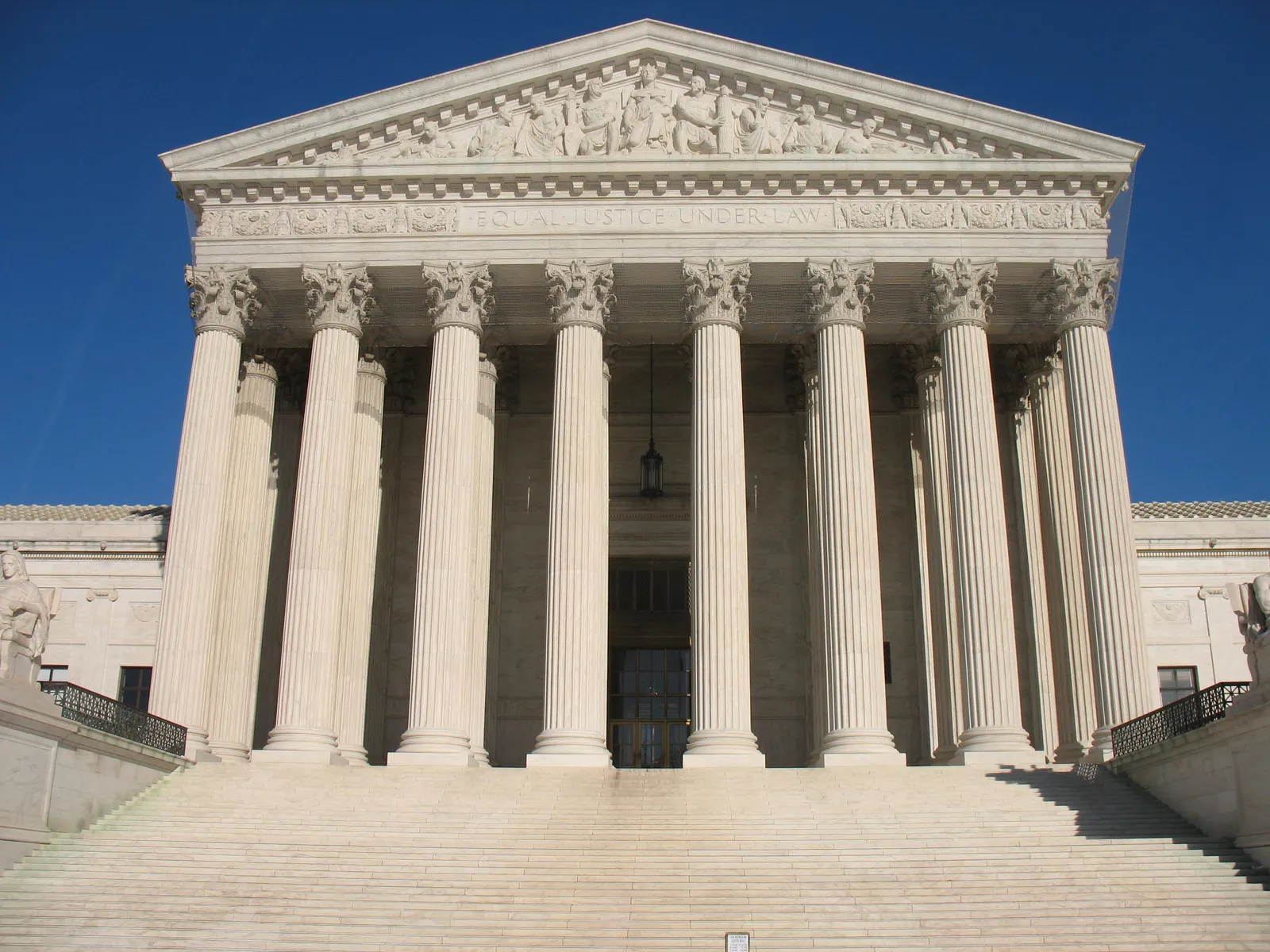
After years of sidestepping the question, the Supreme Court is poised to decide whether one of America's most popular — and most contested — rifles is protected by the Constitution.
What the Court did
On the final day of its term, the justices granted review in two consolidated cases — one challenging Connecticut's assault-weapons law and one challenging an ordinance in Cook County, Illinois, that bars more than 100 named rifles including the AR-15, the Chicago Sun-Times reported. The question the Court agreed to answer is whether the Second and Fourteenth Amendments protect the right to possess "AR-15 platform and similar semiautomatic rifles." Arguments are expected after the new term begins in October, with a decision likely by mid-2027.
How it got here
Federal appeals courts had upheld both laws — the Second Circuit in the Connecticut case and the Seventh Circuit in the Cook County case, The Hill reported. The Court had repeatedly declined to take up similar challenges, including a Maryland case last year that drew dissents from Justices Clarence Thomas, Samuel Alito and Neil Gorsuch, with Justice Brett Kavanaugh writing that the AR-15 question would likely come "in the next Term or two." This is apparently that term.
The legal test
The cases will be judged under the framework from the Court's 2022 Bruen decision, which requires gun regulations to be consistent with the nation's "historical tradition of firearm regulation," building on the 2008 Heller ruling. Challengers argue the AR-15 is "in common use" by millions of law-abiding owners — widely called the most popular rifle in the country — and that Heller shields commonly used arms from outright bans, leaving only "dangerous and unusual" weapons unprotected. Defenders of the bans counter that military-style semi-automatic rifles fall outside that core protection and that states may regulate them for public safety.
What's at stake, including in California
About ten states plus the District of Columbia have some form of assault-weapons ban, according to gun-policy groups. California's, among the oldest in the nation, dates to 1989; a federal judge ruled it unconstitutional in 2023, but that decision has been stayed while appeals continue. A ruling against the bans would unsettle laws across every state that has one; a ruling upholding them would, for now, affirm states' authority to act. Either way, it is shaping up to be the Court's most significant Second Amendment case since Bruen.
Both sides react
Gun-rights groups, including the Second Amendment Foundation that brought the Connecticut case, welcomed the Court's move, arguing the historical record offers no tradition of banning commonly owned rifles. Gun-control organizations voiced concern, contending that semi-automatic rifles with military features pose a distinct danger that states have long had the power to address. With the Court's conservative majority and its recent expansions of gun rights, both sides expect the decision to carry national consequences — and both will be watching the votes of the justices at the Court's center.