In a state that mails a ballot to every registered voter, nearly 150,000 of those ballots did not count in June, LAist reports, and the number is rising.
The numbers
California rejected 148,241 mail ballots in the June 2026 primary, a rejection rate of 1.73 percent. That is higher than recent primaries: 108,982 ballots (1.56 percent) were rejected in 2024, and 105,818 in 2022. The rate is small in percentage terms and large in human ones, roughly 148,000 people who tried to vote and did not have their vote counted.
Why ballots got tossed
The reasons matter, because they point to different problems. The single largest category was late arrival: 93,479 ballots, up from about 70,000 in 2022 and 76,000 in 2024. And here the detail is important. As Kim Alexander, president of the California Voter Foundation, put it, these ballots were rejected "primarily to being postmarked too late to count, not because they arrived too late to count." In other words, the problem is mostly voters mailing ballots too close to or after Election Day, not the mail being slow after they sent it.
The second category was signatures: more than 52,000 ballots. Of those, over 43,800 were rejected because the signature did not match the one on file with the county, and more than 8,300 because the voter did not sign at all. A smaller set, 743 ballots, were voided because the voter had already cast a ballot, along with envelopes that arrived empty or stuffed with more than one ballot.
Where it happened most
Rejections were not evenly spread. The highest rates were in smaller, more rural counties: Tulare at 3.52 percent, and Alpine and Merced at 3.36 percent each, roughly double the statewide rate. That geographic tilt is itself a clue about where the barriers, whether mail timing, signature verification, or voter information, are landing hardest.
Why advocates are worried
A 1.73 percent rejection rate can be read two ways, and both are fair. In one sense, more than 98 percent of mail ballots counted, which for a universal vote-by-mail system is a high success rate. In another, the number rejected is growing, and every rejected ballot is a citizen who did the work of voting and was not heard.
Mindy Romero, who directs the Center for Inclusive Democracy, called the increase "a major concern" that warrants looking into why it is happening. The signature-match rejections in particular have long drawn scrutiny, because judging whether two signatures match is inherently subjective and can fall unevenly on the elderly, the disabled and people whose signatures change over time.
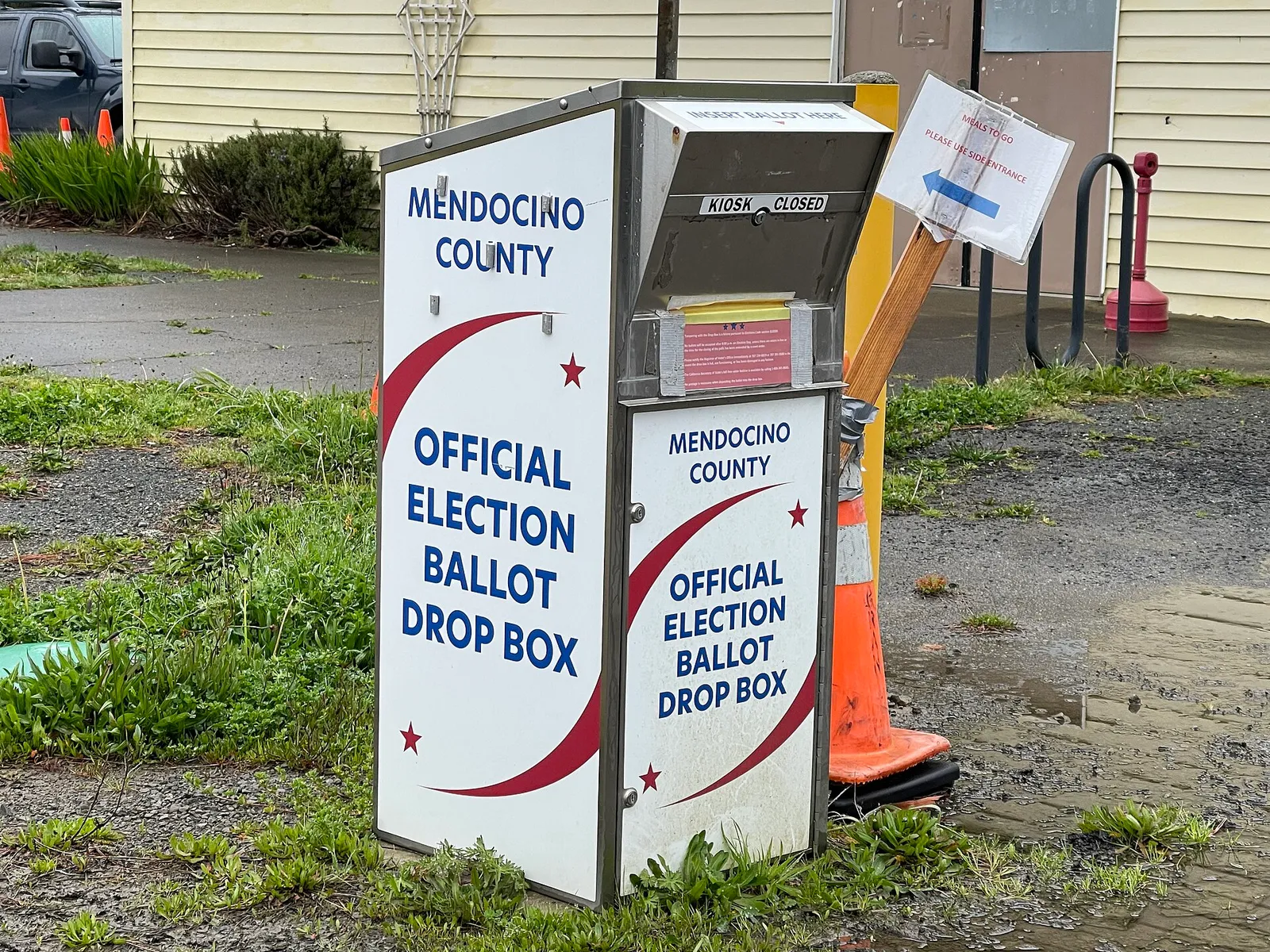
The practical takeaways for a California voter are unglamorous and useful: sign the envelope, make sure the signature resembles the one on file, and, above all, mail it early, or drop it at an official box, well before Election Day rather than on it. The Herald will report whether the state acts on the advocates' call to examine why the rejections keep climbing.