The war between the United States and Iran, already nearly five months old, may be about to get worse. President Trump says he is considering a dramatic escalation, LAist reports, even as American strikes continue night after night.
The threat
Speaking to Axios on Wednesday, Trump said he was weighing "a massive attack. Bigger than ever before," and described himself as "close to making a decision." That is not a description of a war winding down; it is a president signaling he may widen one that has already run for months.
The strikes are not hypothetical. Thursday marked the 13th consecutive night of U.S. attacks on Iran. Iranian state media reported overnight explosions along the Strait of Hormuz, in Qeshm and Bandar Abbas, and drone attacks were reported near the airport in Irbil, in Iraq's Kurdistan region. The war is not confined to one front.
Why it reaches a gas pump in Los Angeles
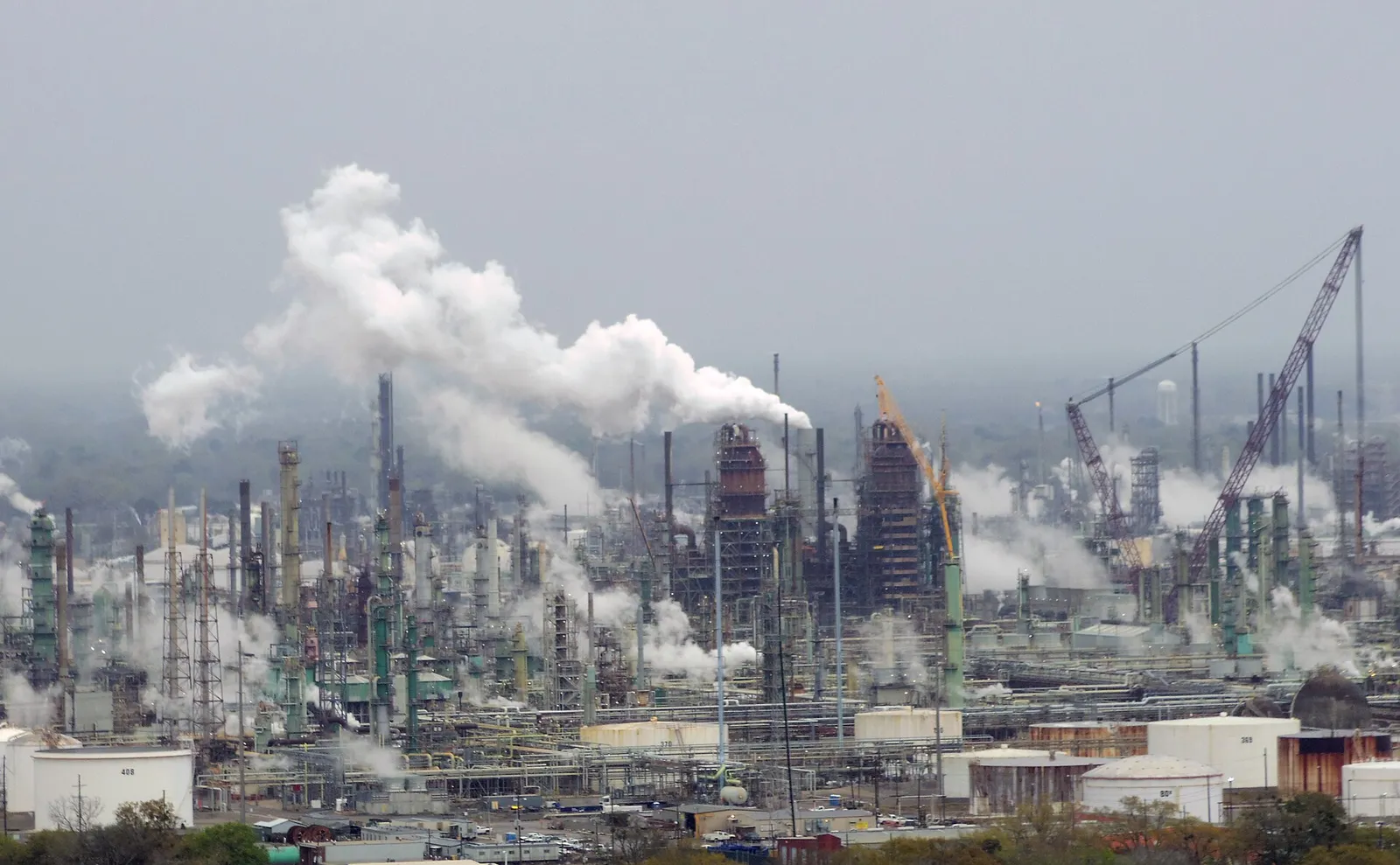
The most direct way this distant war touches Los Angeles remains the price of fuel. Oil prices topped $100 a barrel earlier this week before easing back below $98 on Thursday, and the U.S. average gas price has climbed to $4.10 a gallon, up more than 17 cents in a month. California prices run well above that average.
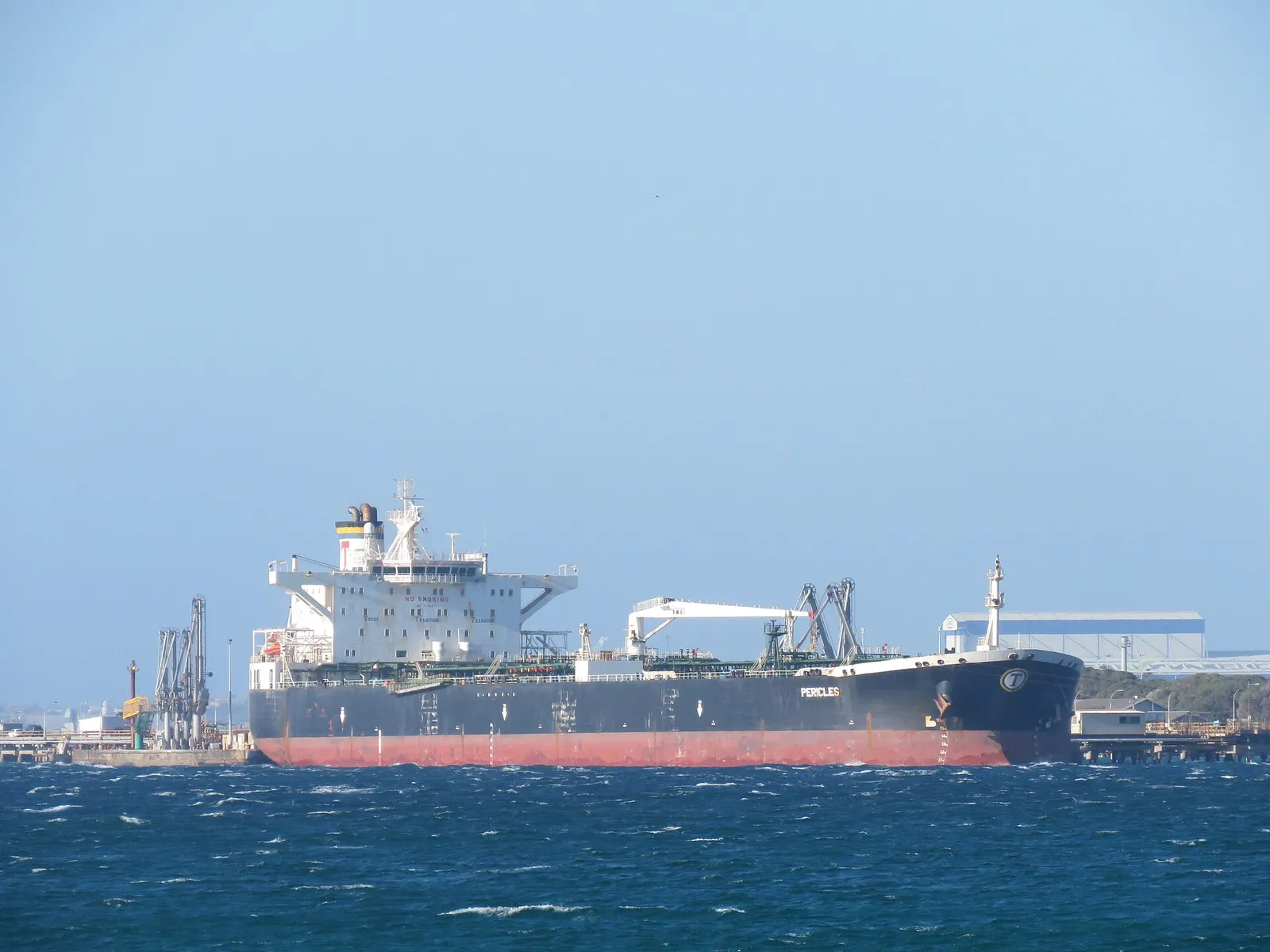
The mechanism is the Strait of Hormuz, the narrow waterway through which a large share of the world's oil passes. Iran asserts control over it; the U.S. maintains a port blockade there; and Houthi rebels have attacked Saudi tankers in the Red Sea, prompting Trump to threaten "major military punishment" if those attacks continue. Every one of those pressures pushes the price of crude, and from there the cost of driving and shipping in a region built on both.
The alarm from outside Washington
The response from the world's top diplomat was unusually stark. U.N. Secretary-General António Guterres warned that the Middle East was "teetering on the edge of the unimaginable" and said the situation was "getting out of control." When the U.N. secretary-general reaches for language like that, it is a signal that the people whose job is measured caution have stopped being measured.
What is known, and what is not
What is established: a nearly five-month war, a 13th straight night of U.S. strikes, explosions around a critical oil chokepoint, rising fuel prices, and a president publicly weighing a much larger attack. What is not established is what Trump will actually decide, or what a "bigger than ever" attack would mean in practice, and it would be irresponsible to guess at either.
The Herald will report the decision if and when it comes, and will keep tracing the line, as we have, from the Strait of Hormuz to the price on the sign at the corner gas station. For now the verified state of things is an escalating war, an anxious oil market, and a warning from the United Nations that events may be slipping past anyone's control.