

A war that Moscow once predicted would last days has now generated one of the largest military casualty counts since World War II.
What the study found
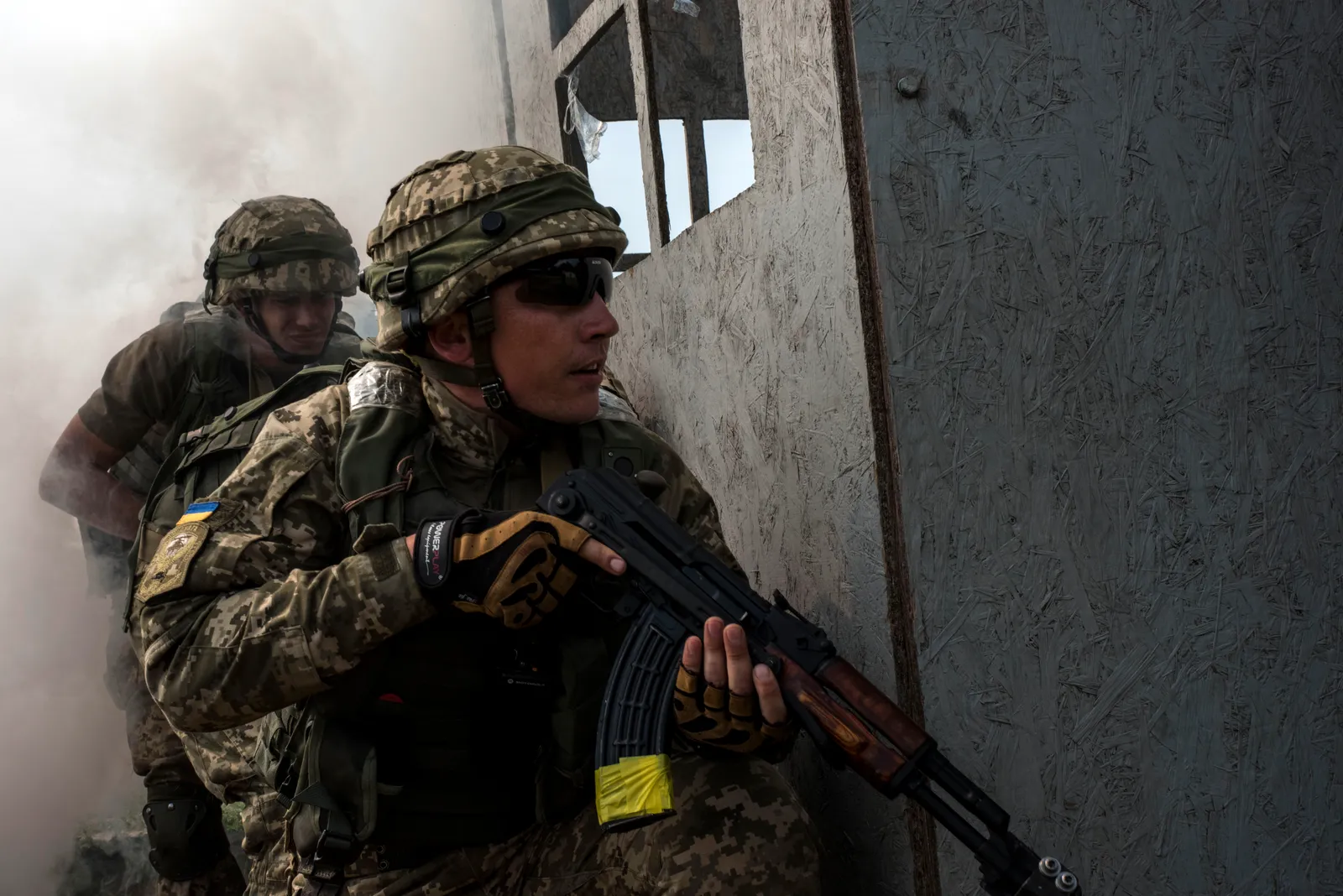
More than two million Russian and Ukrainian soldiers have been killed or wounded since February 2022, according to a new assessment by the Center for Strategic and International Studies (CSIS), the Associated Press reported. The report puts Russian losses at roughly 1.4 million killed or wounded and Ukrainian losses in the range of 525,000 to 625,000.
A crucial distinction runs through those numbers: "casualties" means the killed and the wounded, not deaths alone. CSIS estimates the combined death toll — a smaller, even less certain figure — in the hundreds of thousands, with Russia believed to have suffered the larger share.
Figures both sides obscure
Every number here is an estimate, and the report is careful to say so. Ukraine does not publish its casualty statistics, citing security. Russia has not released an official count since September 2022, and independent analysts believe Moscow systematically undercounts its dead. Researchers instead triangulate from U.S. and British intelligence estimates and open-source work — including a project by the BBC and the Russian outlet Mediazona that has identified more than 160,000 Russian deaths by name, a total analysts think captures only a fraction of the real figure.
President Volodymyr Zelensky offered a partial Ukrainian accounting in early 2025, citing tens of thousands of soldiers killed and several times as many wounded, though Western analysts consider even those figures incomplete.
A recruitment crisis for Moscow
Beyond the raw scale, CSIS highlights a widening manpower problem for Russia: its monthly battlefield losses now appear to outrun the pace of new recruitment, the think tank reported. Moscow has leaned on prison recruitment, financial bounties and, according to Western governments, thousands of North Korean troops to sustain the fight. Russia still fields more soldiers than Ukraine along the front, but its advances have slowed sharply, and PBS reported that some analysts see Moscow in its most difficult stretch of the war.
No end in view
More than four years in, diplomatic efforts remain stalled and the front lines largely frozen. For Ukraine, with a smaller population and army, each loss carries outsized weight; for Russia, the scale of the attrition is beginning to reshape its economy and labor force. What the two sides share is a reluctance to show the world the full human cost — leaving outside researchers to assemble an incomplete picture of a catastrophe still unfolding.