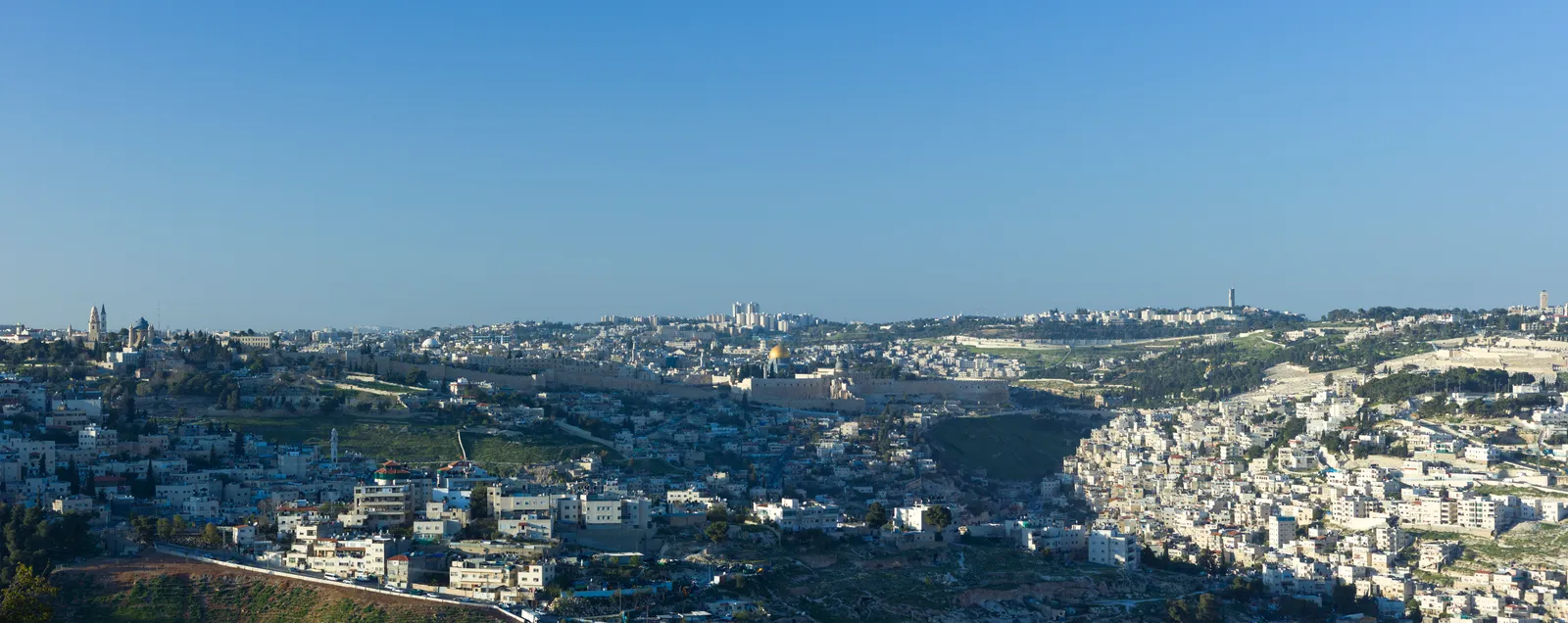
A single dollar bill sealed one of the most politically charged real-estate deals in recent diplomacy.
A dollar and a signature
In a ceremony in Jerusalem on Tuesday, Israeli Foreign Minister Gideon Sa'ar and U.S. Ambassador Mike Huckabee signed a long-term lease granting the United States land in West Jerusalem for a permanent embassy campus, with annual rent set at $1, Al Jazeera reported. The move gives the legal and physical foundation for a purpose-built compound to replace the converted building the U.S. mission has used since 2018.
From temporary to permanent
The current embassy has operated out of a former consulate since May 2018, when President Trump, in his first term, moved the mission from Tel Aviv — breaking with decades of U.S. policy and prompting protests in which Palestinians were killed near the Gaza fence, the BBC reported. A permanent campus signals a more enduring U.S. recognition of Jerusalem as Israel's capital. Details on the site's size and construction timeline were not fully disclosed.
Why it is contested
Jerusalem's status is among the most disputed questions in international law. Israel claims all of the city as its "eternal and undivided capital," including East Jerusalem, which it captured in 1967 — a claim not recognized by the United Nations or most countries. Palestinians seek East Jerusalem as the capital of a future state and view any deepening of the U.S. embassy presence as foreclosing that possibility. A 1980 U.N. Security Council resolution called on states not to place diplomatic missions in Jerusalem pending a negotiated final status, and most nations, including major European powers, keep their embassies in Tel Aviv.
Analysts note a legal distinction: West Jerusalem has been under Israeli control since 1948 and is considered less contested than the occupied eastern sector. Even so, Al Jazeera described the lease as "yet another blow to the hopes of a future Palestinian capital," reflecting a widely held view in the Arab world and among rights groups.
What comes next
The $1 lease turns a political declaration into a building project. U.S. embassies are typically large, fortified compounds that take years to design and fund, and a Jerusalem campus would likely require congressional appropriations and a multi-year timeline. For now, the ceremony's image — two diplomats and a one-dollar bill — captures where U.S. policy stands: firmly, and perhaps permanently, planted in a city the world has not agreed how to share.