

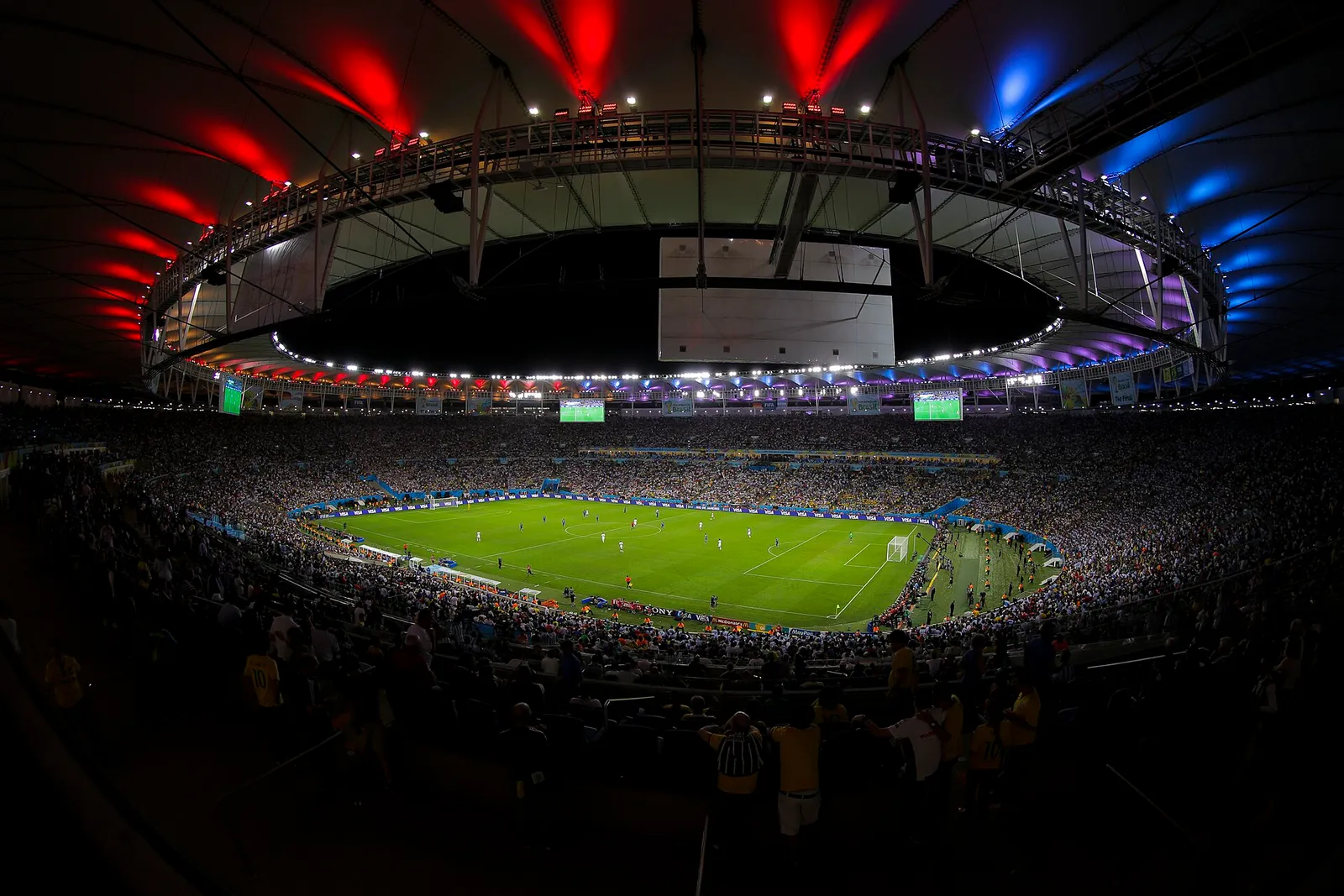
The tournament that finished this month was the biggest in the history of the sport: 48 teams, three host countries, Spain lifting the trophy. FIFA is now consulting on making the next one bigger still.
The proposal under review would expand the 2030 World Cup to 64 teams. Nothing has been decided, and the distinction matters, but the timetable is unusually tight. According to ESPN, FIFA circulated a research brief on July 30 with a 15-day consultation window, an outside agency is to deliver a proposal by August 7, FIFA intends to decide by August 14, and the full analysis is not due until September 11.
That sequence has the decision arriving four weeks before the analysis supporting it.
Who has objected
Three of FIFA's six confederations have pushed back.
UEFA's position is the most severe: its 55 members have said they will boycott FIFA competitions until the wider project is scrapped. Concacaf, which covers North and Central America and the Caribbean, has rejected the proposal. The Asian Football Confederation called for an urgent review of FIFA's governance, and its language was pointed: "This is not the first occasion where major stakeholders have been confronted with significant initiatives after the direction of travel appears to have already been determined."
On Friday, Carlos Cordeiro, a senior adviser to FIFA president Gianni Infantino, resigned, calling the proposal "a bad deal for football."
Why this is tangled up with the other fight
The expansion review is running alongside Infantino's separate plan to sell a stake in a new entity holding FIFA's commercial rights, valued at around $20 billion, with member associations facing a September 19 deadline to accept.
The two are formally distinct and practically inseparable. More teams means more matches, more broadcast inventory and a larger asset. A confederation that suspects the tournament is being enlarged to raise the price of the thing being sold will read the 15-day consultation window as confirmation.
FIFA's position, stated in response to the ownership plan, is that "nobody is selling football."
The football question, which is separate
Set the governance dispute aside and there is still a sporting argument to have.
A 64-team field would mean roughly a third of FIFA's 211 member associations qualifying. Supporters say expansion spreads development money and gives players in smaller federations a realistic target, which is the same case that was made for 48 and, before that, for 32. Critics say it dilutes the group stage into fixtures nobody needs to watch and stretches a tournament that already runs more than a month across host countries thousands of miles apart.
The 2026 edition is the only evidence anyone has about how 48 actually played, and it finished two weeks ago. Deciding on 64 by August 14 means deciding before that evidence has been examined.
What happens next
August 14 is the date to watch. If FIFA proceeds over three confederations' objections, the expansion stops being a scheduling question and becomes part of the same institutional fight over who controls the tournament, with a boycott threat already on the table.