Ford has hit a rough patch, and the causes say a lot about the pressures reshaping the car business — from fragile supply chains to a cooling market for electric vehicles.
A quarter in the red
Ford's U.S. sales fell about 10.3% in the second quarter from a year earlier, CNBC reported, extending a run of monthly declines: the automaker's U.S. sales dropped by double digits in both April and May, The Detroit News reported. The company's fuller financial picture — revenue, profit and the effect of tariffs — won't come until its scheduled July 28 earnings report.
The truck problem
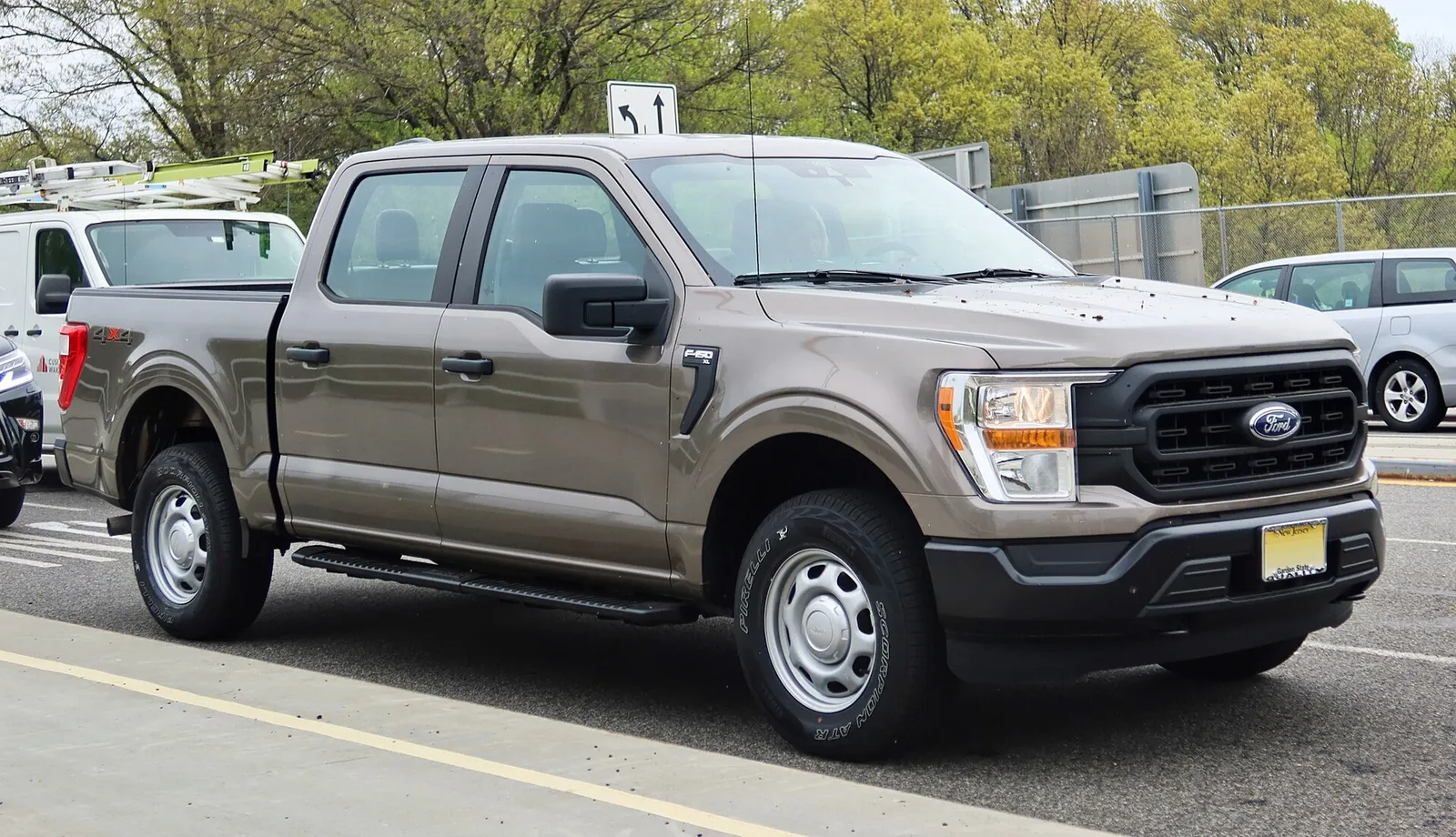
The most painful squeeze hit Ford where it makes its money: pickups. The trouble traces to fires in late 2025 at a Novelis aluminum plant in Oswego, N.Y., that supplies the automotive aluminum sheet used in F-Series truck bodies. The disruption forced Ford to scramble for replacement metal — spending heavily to source aluminum from overseas — and constrained how many trucks it could build. The plant resumed operations around mid-June, Supply Chain Dive reported, though Ford has signaled the recovery would be uneven, with more of the rebound coming in the second half of the year. The F-Series remains the best-selling truck line in America, which is exactly why a parts shortage stings.
The EV cliff
Ford's electric business fared worse. Sales of its flagship EV, the Mustang Mach-E, have fallen steeply — down roughly 50% year over year in the spring after an even sharper first-quarter drop — as federal tax incentives for electric vehicles wind down and many buyers shift toward hybrids and gas models. The split runs right through Ford's own lineup: the gasoline Mustang has been selling well even as its electric namesake retreats. Hybrids and rugged SUVs, including a record first half for the Bronco, have helped cushion the blow.
The wider picture
The slump lands in a costly environment. Ford has flagged a tariff hit running into the billions this year from duties on imported vehicles and parts, and chief executive Jim Farley has signaled a coming reset of the company's money-losing EV unit, with an event planned in August to lay out new electric-vehicle plans.
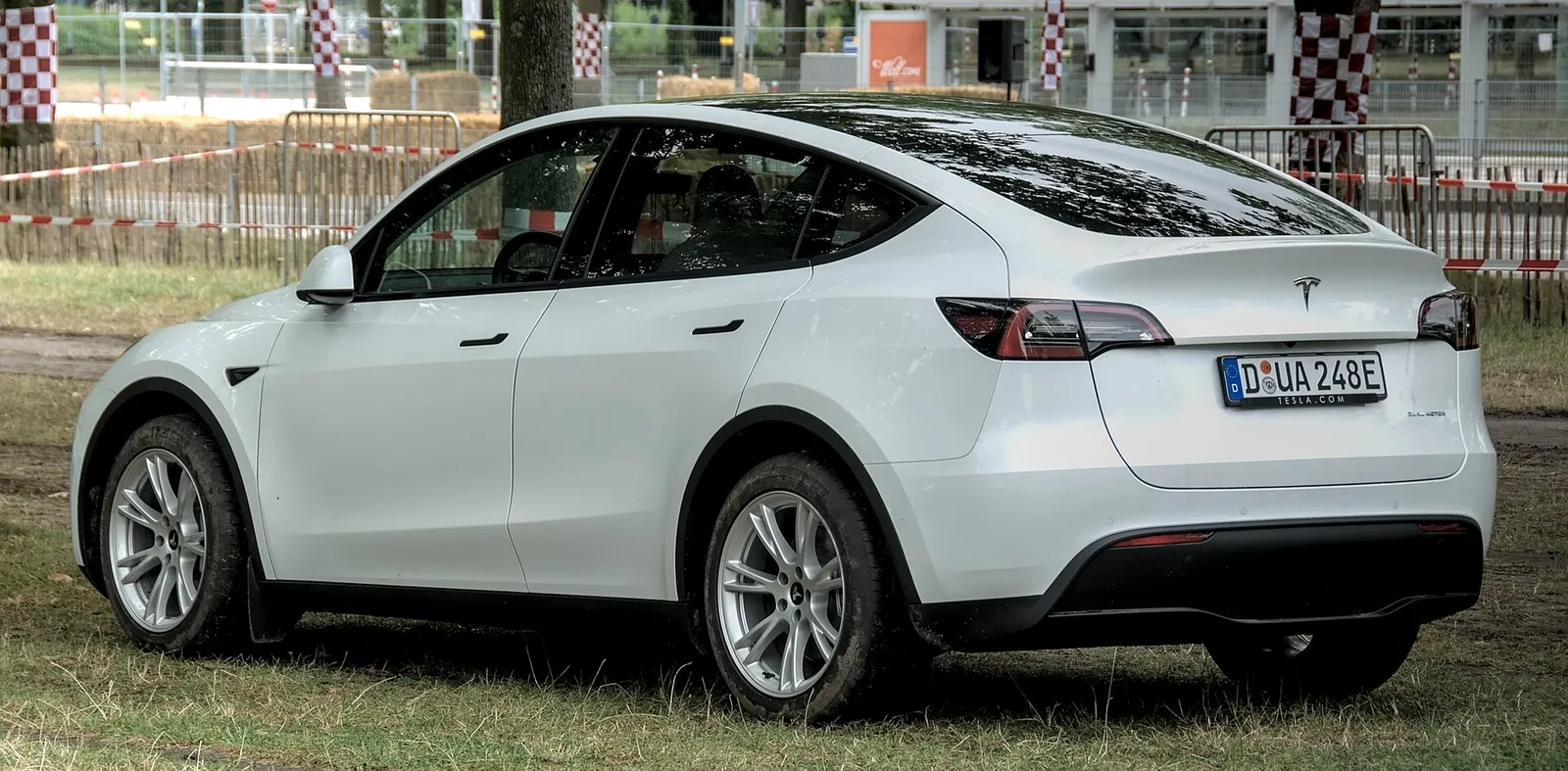
The contrast with Tesla, which reported a jump in quarterly deliveries the same week, is instructive: the EV demand softness Ford is citing is not hitting every automaker equally. For Ford, the immediate task is getting its trucks flowing again and steadying an EV strategy caught between fading subsidies and shifting tastes. Investors will learn how much the quarter cost when the full results arrive on July 28.