California has some of the most voter-friendly rules in the country. It has not translated into the flood of new voters that reformers hoped for — and it has come with a cost at counting time.
Access up, turnout flat
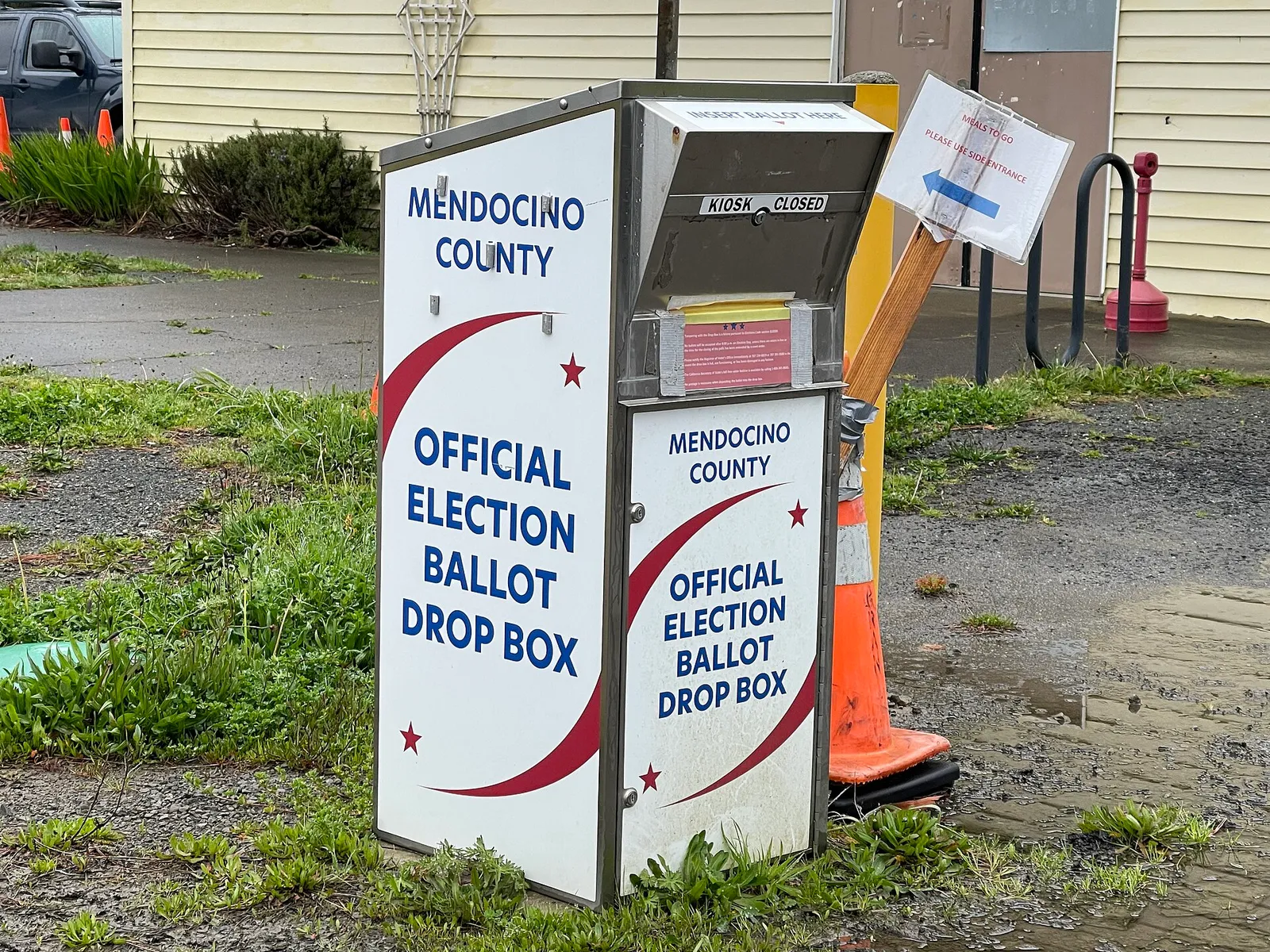
The state now mails a ballot to every registered voter, made universal vote-by-mail permanent in 2021, offers same-day registration and registers eligible residents through the DMV. The large majority of Californians — roughly 80 to 90% — now vote by mail.
The turnout payoff has been modest. In the 2024 presidential election, turnout was about 71% of registered voters, and roughly 60% of those eligible — down significantly from 2020 and among the lower presidential-year rates in a century, the Public Policy Institute of California found, noting that about 1.7 million fewer ballots were cast than four years earlier even as the pool of registered voters grew. Midterms and primaries run lower still; the 2022 general election drew well under half of eligible voters, and preliminary tallies put the June 2026 primary around 40% statewide.
Why easier voting hasn't moved the needle
Researchers have long cautioned that convenience alone does little for turnout. "Anything that decreases the cost of voting is going to see an increase in turnout" is the common assumption, Charles Stewart of the MIT Election Data and Science Lab has said — but "we almost never see those effects, or if we do, they're very small." Analysts point instead to who gets contacted: campaigns and parties tend to focus their outreach on reliable voters, leaving many young people and voters of color unmobilized. PPIC's research on California's Voter's Choice Act, which reshaped how many counties run elections, found mixed effects, with some irregular voters actually less likely to cast ballots after the switch — a sign that disrupting voting habits can matter more than shortening the walk to a polling place.
Fatigue, disengagement, off-year local elections and lopsided races round out the usual explanations. Persistent gaps remain, too: groups such as Latino Californians make up a far larger share of adults than of likely voters.
The trade-off: access versus speed
The rules that widen access also slow the count. California accepts mail ballots postmarked by Election Day that arrive up to seven days later, and gives voters weeks to "cure" problems like a missing signature. With the nation's largest electorate voting mostly by mail, verifying and tallying takes time. The share of ballots counted within two days of an election has fallen from roughly 80% two decades ago to about 66% in November 2024, Votebeat reported, and full certification can take weeks — long enough that California's slow counts have delayed the outcome of close U.S. House races watched nationwide.
Election officials describe this as a deliberate choice, not a failure. Faster results, they note, would mean throwing out some valid ballots. The long timeline has nonetheless drawn criticism and, in some quarters, unfounded suspicion — though experts emphasize that a slow count is a product of the state's inclusive rules, not evidence of anything improper, as ABC7 reported.
The tension at the core
California's experience captures a genuine tension in how democracies run elections. Making voting easier has not, by itself, produced more voters — turnout is driven at least as much by whether people feel a reason to show up. And counting every late, cured and mailed-in ballot, as the state has chosen to do, means living with results that arrive slowly. For officials, it is a defensible bargain; for a public used to knowing who won on election night, it remains a hard sell.