Tesla gave its skeptics an answer on Wednesday — and the market shrugged.
A record quarter, a falling stock
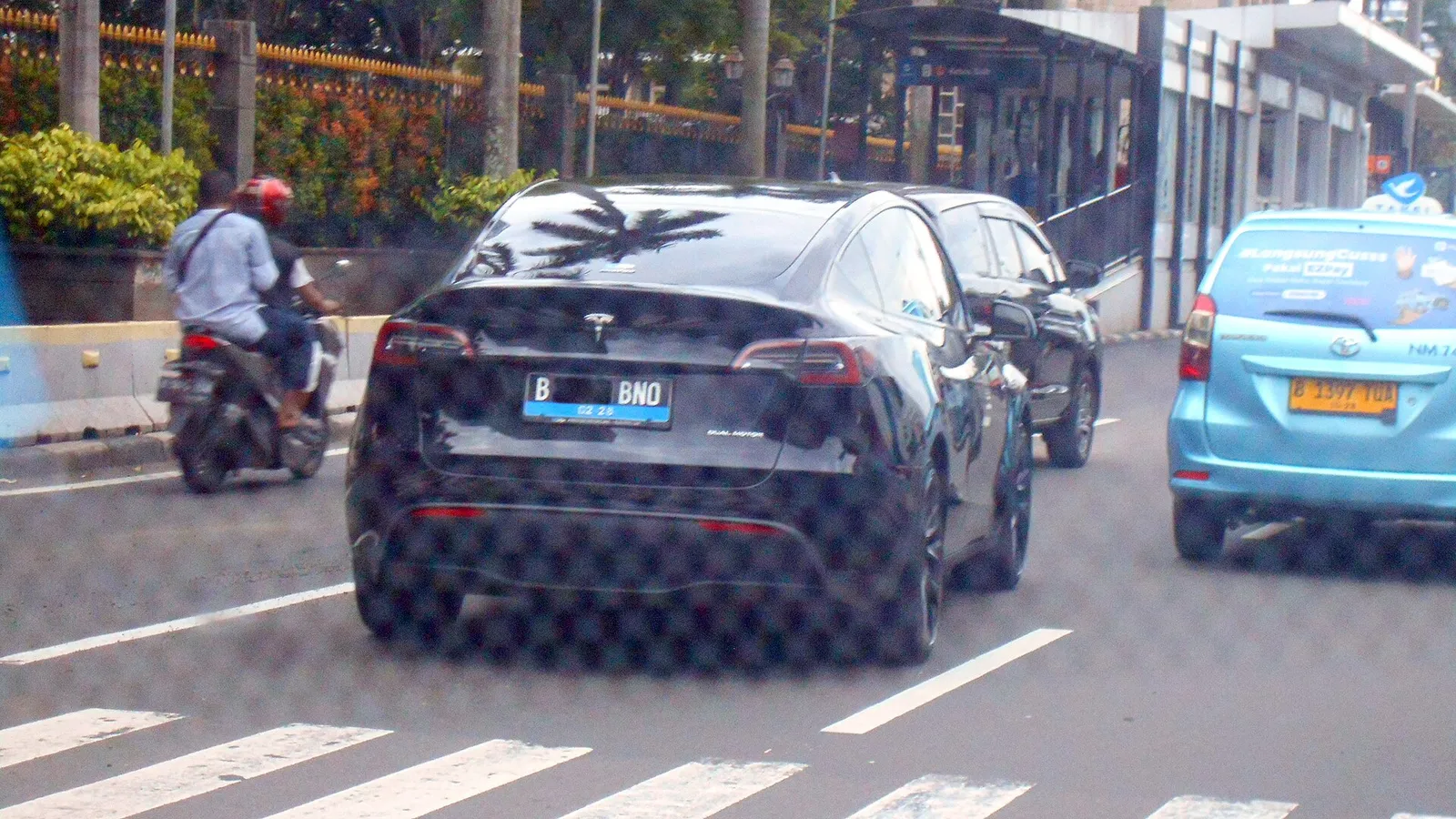
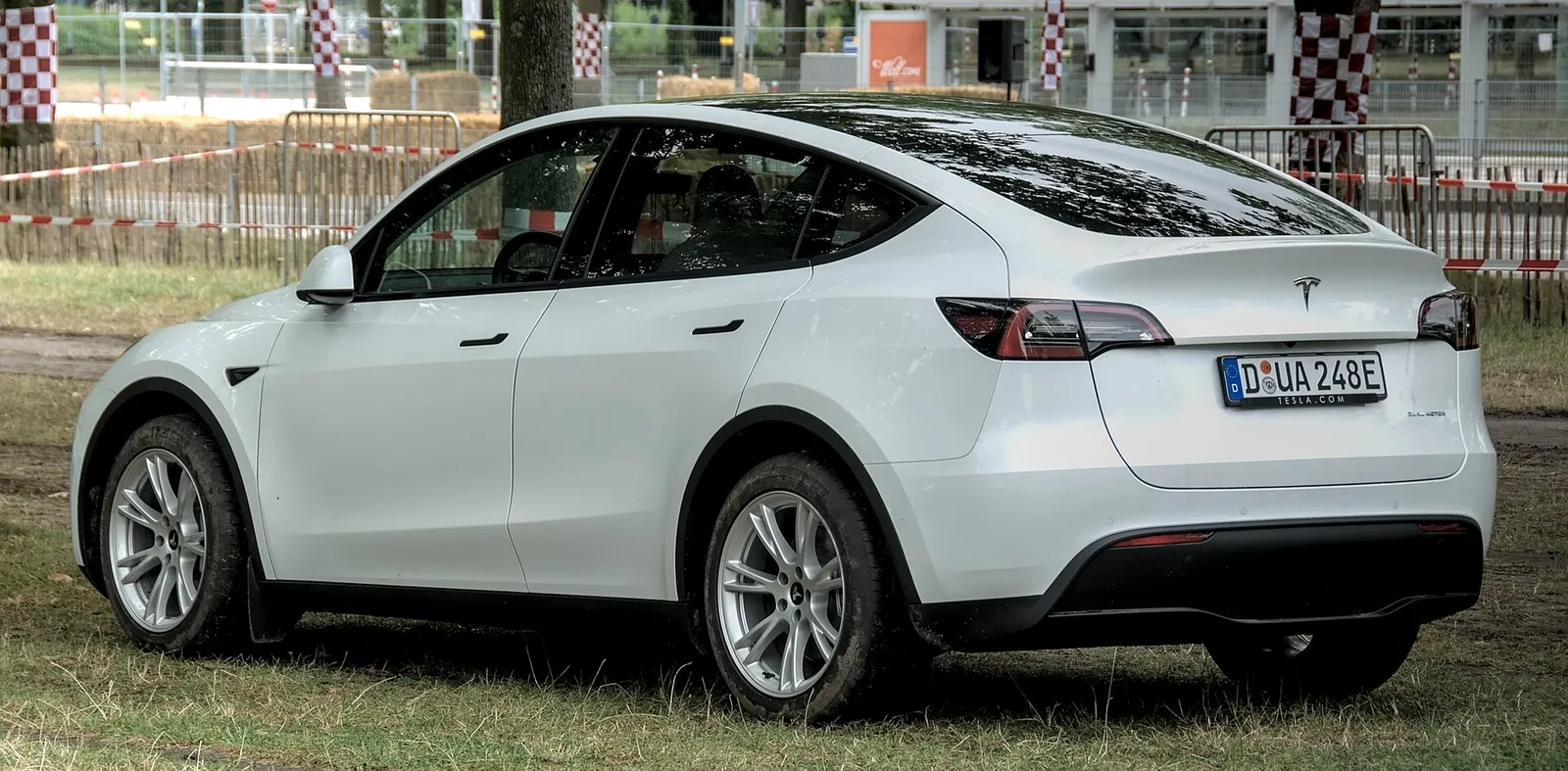
The automaker reported 480,126 vehicle deliveries for the second quarter of 2026, a company record. The figure was up about 25% from the same period a year ago and roughly 34% above the first quarter, and it beat the Wall Street consensus of around 406,000. Production came in at 451,758 vehicles.
On its face, it was the kind of result that should lift a stock. Instead, shares of the Austin-based company sank about 6% on the day. The disconnect says less about the quarter than about how the case for owning Tesla has changed.
The number that no longer moves the stock
Part of the muted reaction was mechanical: the stock had run up in the days before the report, so a strong print was already baked in, and some investors sold into the news. But the deeper reason is that the market has stopped treating quarterly delivery counts as the main event.
At a market value north of $1 trillion, Tesla's price cannot be explained by roughly 480,000 cars a quarter at current margins. The premium rests on bets about a future robotaxi network and artificial-intelligence software — things a delivery report can neither confirm nor deny. Analysts have increasingly framed the raw delivery number as a sideshow to the questions that actually drive the valuation: whether Tesla can rebuild its profit margins, and whether it can turn autonomy from a promise into a business.
Competition and policy pressure
The backdrop has grown tougher. China's BYD again outsold Tesla in fully electric vehicles for the quarter, with deliveries reported at roughly 557,000, cementing its position as the world's largest EV seller.
At home, the expiration of the federal EV tax credit is expected to weigh on U.S. demand in the months ahead, and analysts have warned of a meaningful drop in domestic sales once the incentive is gone. Full-year delivery forecasts imply only modest growth for the core car business — underscoring why investors are looking past the top-line unit number.
The real test is July 22
Wednesday's release covered only deliveries and production, not money. Tesla's full financial results — including automotive margins and any forward guidance — are due July 22, when chief executive Elon Musk typically addresses investors. One bright spot in the update was energy storage: the company said it deployed 13.5 gigawatt-hours in the quarter, a higher-margin business than selling cars.
Until the margin and autonomy picture comes into focus, the market appears content to look past even a record haul of vehicles.