

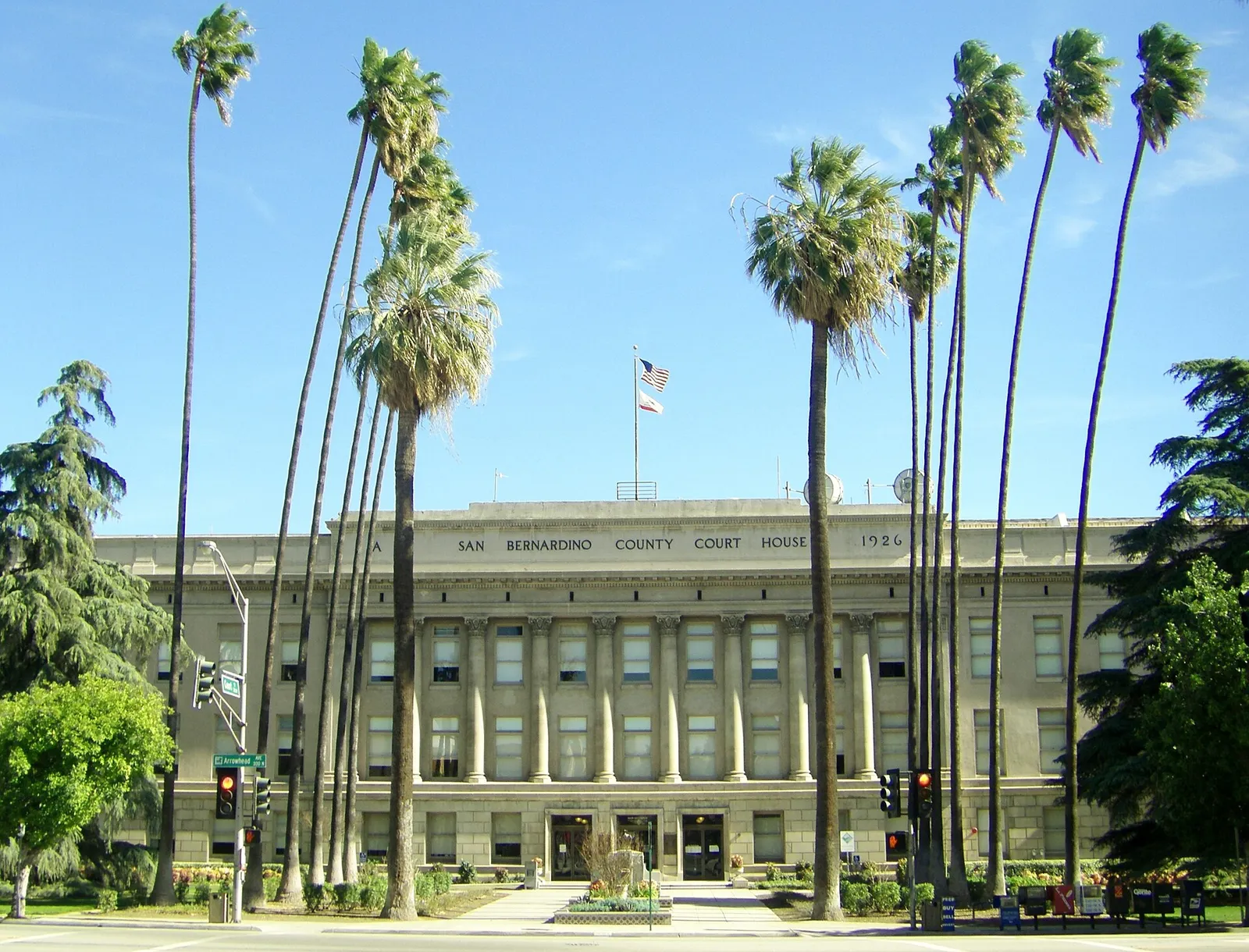
A criminal case that has drawn attention across the Inland Empire moved a step closer to trial this week, as a San Bernardino County judge ruled that there is enough evidence for several leaders and members of a religious group to face a jury on murder charges.
The ruling
After a preliminary hearing, the judge ordered the defendants to stand trial — a finding that prosecutors met the threshold to proceed, ABC7 reported. It is important to be clear about what that means and does not mean: the defendants have pleaded not guilty, the charges are allegations, and everyone charged is presumed innocent unless and until proven guilty at trial.
The group and the charges
The San Bernardino County District Attorney's office has charged leaders and members of a group it calls His Way Spirit Led Assemblies, which prosecutors describe as a "high-control" religious organization, the office announced when the charges were filed late last year. Among those charged are the group's leaders, Shelley "Kat" Martin and Darryl Martin, along with other members; prosecutors allege the group operated in secret and discouraged members from bringing internal matters to authorities, NBC News reported. The specific charges vary by defendant across the two deaths.
The two deaths
The case centers on two deaths years apart. In 2010, a 4-year-old boy died of a ruptured appendix. Prosecutors allege the child had shown clear signs of serious illness but was not taken for medical care; the death was initially treated as natural, and the case was later reopened, according to the district attorney and news accounts.
The second case involves a 40-year-old former member, Emilio Ghanem, who disappeared in 2023 after leaving the group. He was last seen in the Redlands area, and investigators later found a burned vehicle in the Mojave Desert that they connected to his suspected killing, as CBS News and other outlets reported. Authorities have said other people associated with the group have also gone missing over the years, though the charges in this case concern the two deaths.
The defense
Defense attorneys have contested the strength of the evidence. In the case of the child's death, they have argued that the leaders did not make the medical decisions and that poor judgment does not amount to murder. In the disappearance of the former member, the defense has argued that the evidence does not tie their clients to the death. The defendants deny the charges.
What's next
With the defendants ordered to stand trial, the case now moves toward arraignment and a trial schedule to be set in future hearings. The proceedings are likely to be lengthy, and much of the evidence aired at the preliminary hearing — testimony from former members, investigators and medical experts — will be tested again before a jury. For now, the ruling settles only that the case will go forward, leaving the central questions of guilt or innocence for a trial still to come.