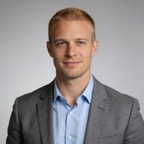
Daniel Malikyar grew up in Los Angeles holding two pictures of Afghanistan at once: the country of headlines and rubble, and the country of his family's memory.
A grandfather's influence
By his own account, related to Hypebeast, Malikyar was reaching for a camera as a young boy, shaped by a grandfather who had worked as a journalist and believed images could honor a culture rather than only record its wounds. At 19 he was named one of the youngest official Fujifilm ambassador-photographers — a marker of an editorial instinct that arrived early.
The Los Angeles years
Los Angeles was his training ground. Documenting skate culture as a teenager sharpened his timing for the unrepeatable moment, a discipline that carried into a broader body of subculture and documentary work. Among the more unusual projects was a series on a Central Valley community of self-ordained "Weed Nuns," an activist collective centered on plant-based medicine — the kind of human-scaled, slightly improbable assignment he has said he lives for. He co-founded a production company and later opened a Los Angeles photography gallery, balancing commercial campaigns with self-initiated documentary projects.
Going back
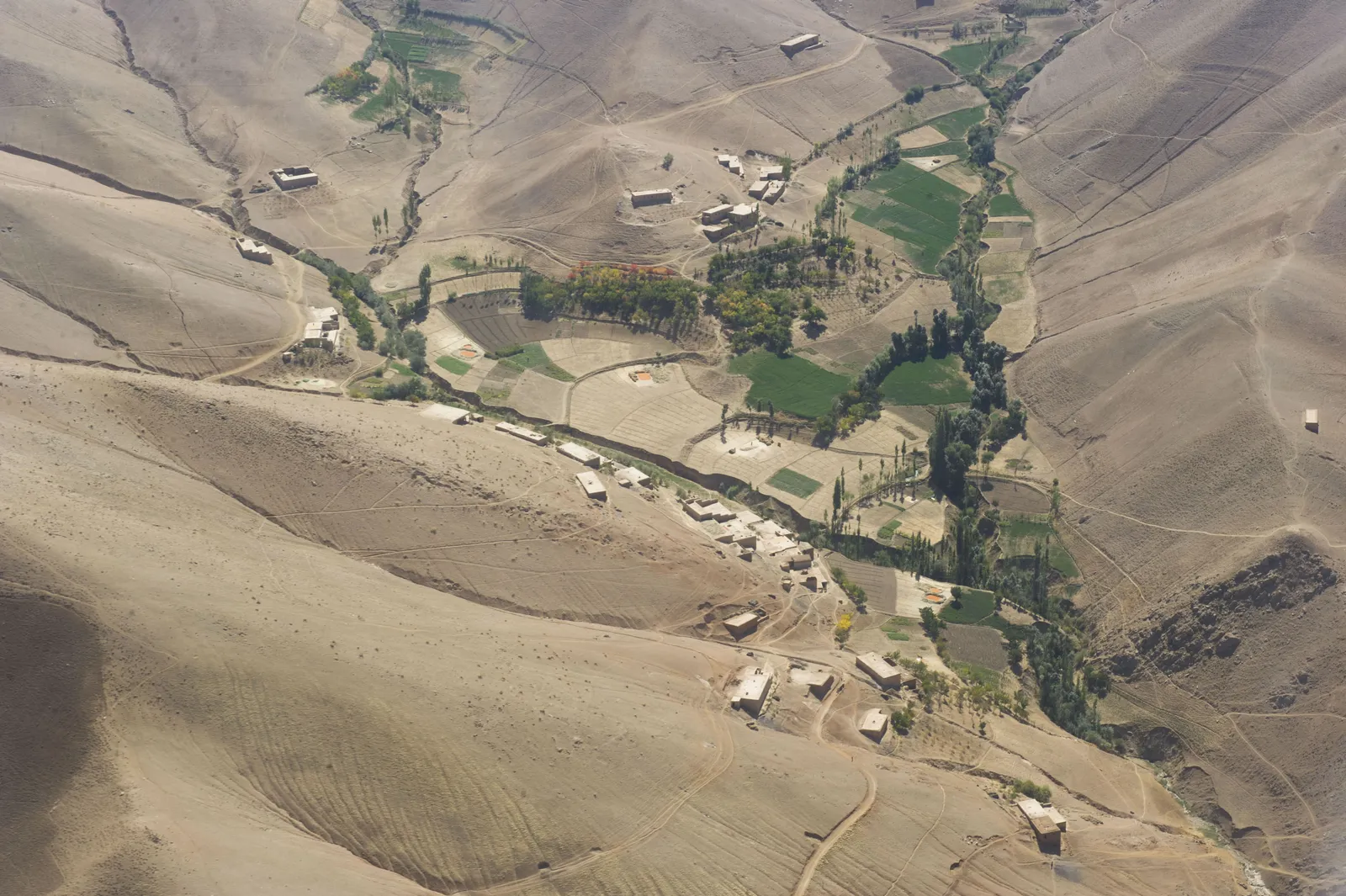
In 2018 Malikyar made his first sustained effort to photograph Afghanistan, a project focused on the textures of ordinary life rather than its emergencies. That work is now expanding into a book: a worldwide rights deal announced in late 2025 will bring his Afghanistan photographs to print through the publisher teNeues, his agency said, with an exhibition and a film also planned. His representatives describe the project as a record made "during a rare window when everyday life across the country could be documented from within" — a phrase that gestures, carefully, at how narrow that window has become.
The through-line
What links the skate parks of Los Angeles to the bazaars of Afghanistan, in Malikyar's telling, is method more than geography: patience, trust and a willingness to surrender to chance encounters. "Build that bond in those initial seconds," he has said of gaining a subject's trust — "that's where the magic happens." At 30, the Los Angeles photographer is releasing what may be the most personal work of his career, rooted in the place that gave his grandfather a reason to pick up a camera in the first place.