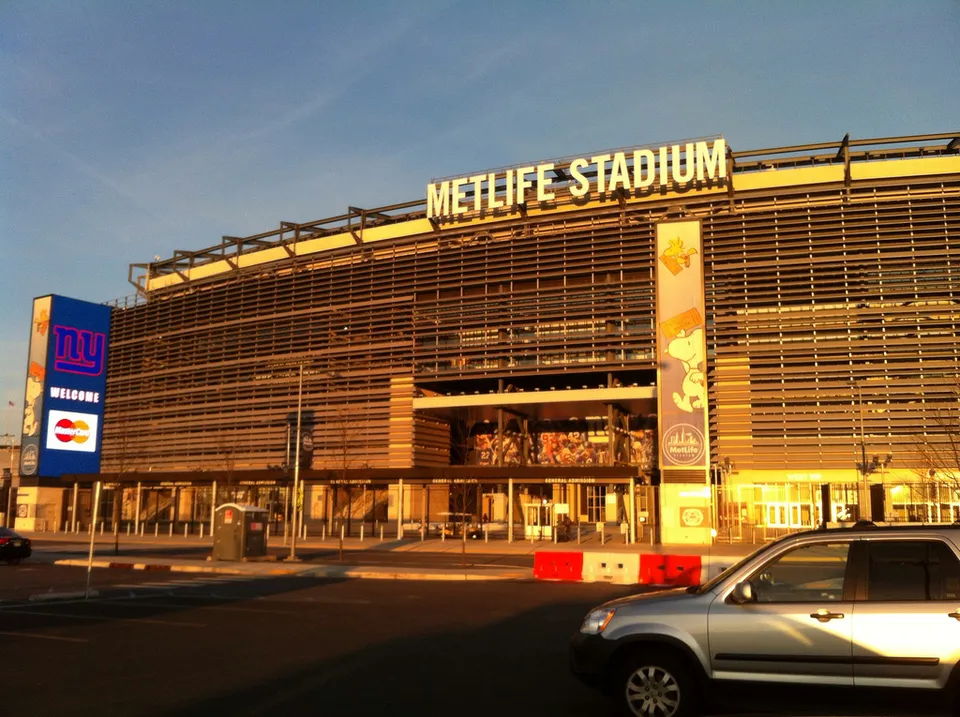
The game started on time. Getting into it did not.
Spectators and credentialed media queued for hours to enter the World Cup final at MetLife Stadium on Sunday, as Secret Service screening tied to President Trump's attendance was added to an entry process that was already struggling, Al Jazeera reported.
This story was published while the match was in progress. Spain and Argentina were level at 0-0 approaching the half hour.
What the queues looked like
Al Jazeera's own reporters described two hours between joining the queue and clearing the first security perimeter. Other media waited more than three hours. Some accredited personnel were turned away at the gate despite holding valid credentials and sent to accreditation centers to be reprocessed.
Two separate problems compounded each other. The presidential visit brought heightened Secret Service inspection of everyone entering. Independently, ticket scanning was failing during the queuing process, which is the sort of fault that turns a slow line into a stationary one.
FIFA had anticipated some of this. It advised media to arrive up to six hours before kickoff and warned of road closures 150 minutes out. Ticketed fans were told to come four hours early. Many did and still waited.
By roughly 45 minutes before kickoff the lower bowl had filled, and the match began at 3 p.m. Eastern as scheduled.
Not the first time
The precedent is recent and close. The 2024 Copa America final in Miami began 75 minutes late after entrances were overwhelmed, an episode that produced dangerous crowd crushing outside the stadium.
That this final started on time is therefore a meaningfully better outcome than the comparison case, even with queues of this length. The distinction between a slow entry and a failed one is the distinction between inconvenience and injury.
Why this is an LA story
Because Los Angeles has the Olympics in 2028, and the operational question raised here is the one the city will face at far greater scale.
The specific lesson is not about FIFA. It is that a single high-security visit can degrade throughput for an entire venue, and that when scanning technology fails at the same time, the two failures multiply rather than add. An Olympics runs multiple venues simultaneously for more than two weeks, with heads of state attending across the schedule rather than on one afternoon.
Los Angeles organizers have said they treated the World Cup as a rehearsal, and the region's own experience of the tournament was mixed in a similar way: transit performed better than expected, while crowd planning and ticketed fan zones drew complaints.
Sunday adds a specific item to that list. The contingency worth having is not for a security surge or a scanner outage, but for both at once.
We will report the result of the match and the wider fallout separately.