The fireworks are the main event, but on a triple-digit weekend the heat is the bigger danger. Here is what to know before you head out.
Heat exhaustion vs. heat stroke
Telling the two apart can save a life. Heat exhaustion is the body's warning that it is struggling to cool down: heavy sweating, headache, nausea, dizziness and weakness, according to the CDC. Move the person to shade or air conditioning, loosen clothing, apply cool wet cloths, and give water to sip. Most people recover with rest and fluids.
Heat stroke is a medical emergency — call 911. The National Weather Service and CDC describe it as the point where the body can no longer regulate its temperature. Warning signs include hot skin, confusion, slurred speech, fainting or seizures. The key tell is a change in mental status: confusion or unresponsiveness means call 911 now, not wait and see. While help is on the way, move the person somewhere cooler and apply ice packs or wet towels; do not give fluids to someone who is confused or unconscious.
Who is most at risk
Older adults, infants and young children, outdoor workers, people who are unhoused, and pets are all especially vulnerable. In California, Cal/OSHA requires employers to provide shade and cool water for outdoor workers when temperatures climb, with extra protections above 95 degrees. And never leave a child or a pet in a parked car — interiors reach deadly temperatures within minutes, and leaving a young child unattended in a vehicle is illegal in California.
Simple prevention
- Time it right. Avoid strenuous activity during the hottest hours, roughly 10 a.m. to 4 p.m.; exercise or work early or after sundown.
- Drink before you're thirsty. Sip water steadily through the day and skip alcohol and sugary drinks, which speed dehydration.
- Dress for it. Light-colored, loose clothing, a wide-brimmed hat and sunscreen help.
- Check on neighbors, especially older people living alone.
Finding a cooling center
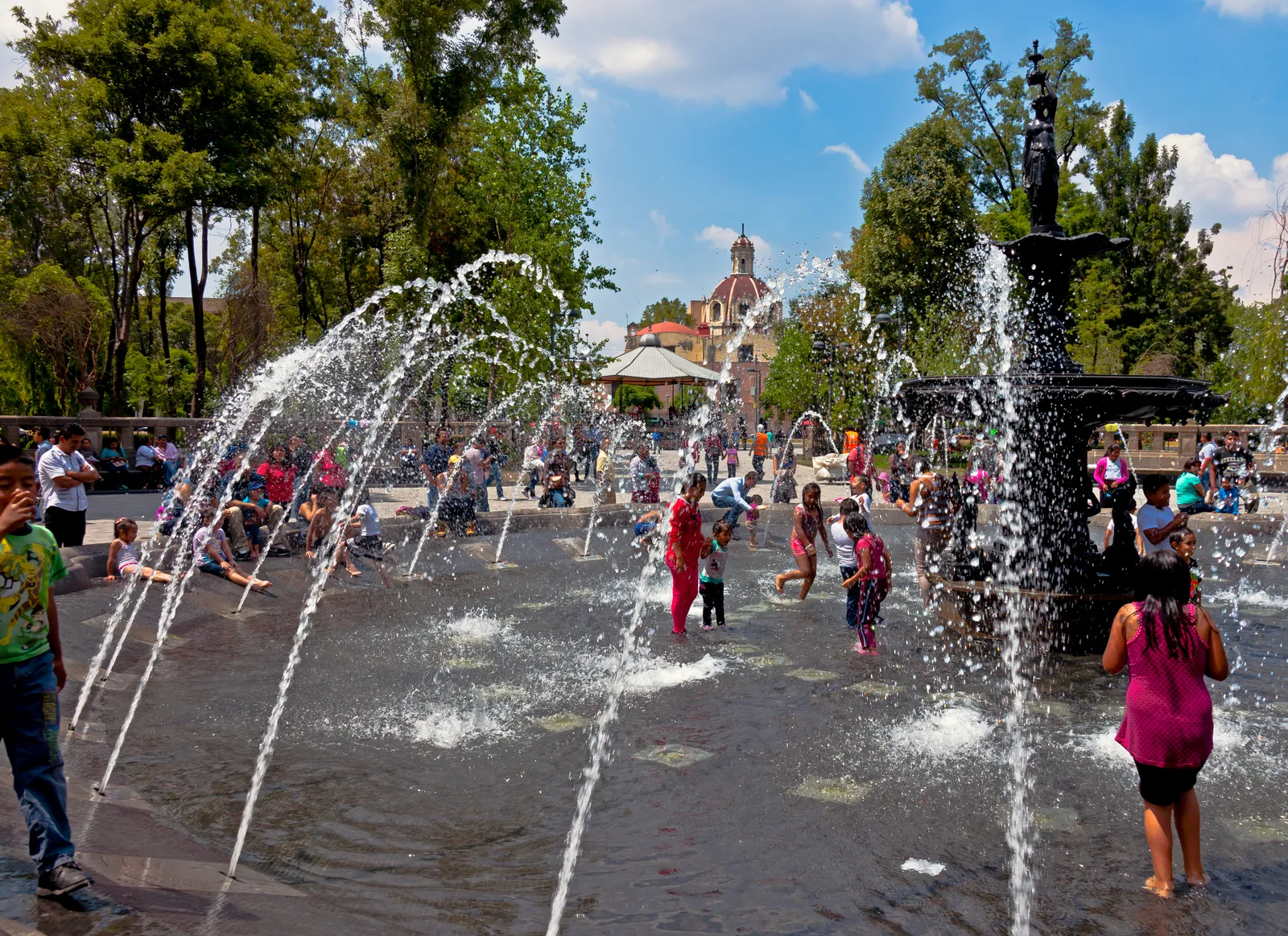
Los Angeles County opens free cooling centers — in libraries, community centers and parks — during sustained heat, according to the county. To find the nearest one, call 2-1-1 any time, in multiple languages, or use the locator at ready.lacounty.gov/heat. Many cities also open pools and splash pads.
Fireworks and fire danger
The heat comes with a second hazard: dry brush. After a dry stretch, grass and chaparral ignite and spread fast, and fireworks are a leading cause of holiday wildfires. All fireworks are banned year-round in unincorporated Los Angeles County, and many cities have their own bans — check local rules before buying any. If you attend a professional show, follow posted guidance, and if you see a fire start, call 911 immediately rather than trying to fight it yourself. The best Fourth of July is the one everyone comes home from safely.