Hundreds of people marched through downtown Los Angeles on Saturday to mourn two men who died during federal immigration operations this month, and to protest what organizers called the growing acceptance of such deaths, ABC7 reports.
The march
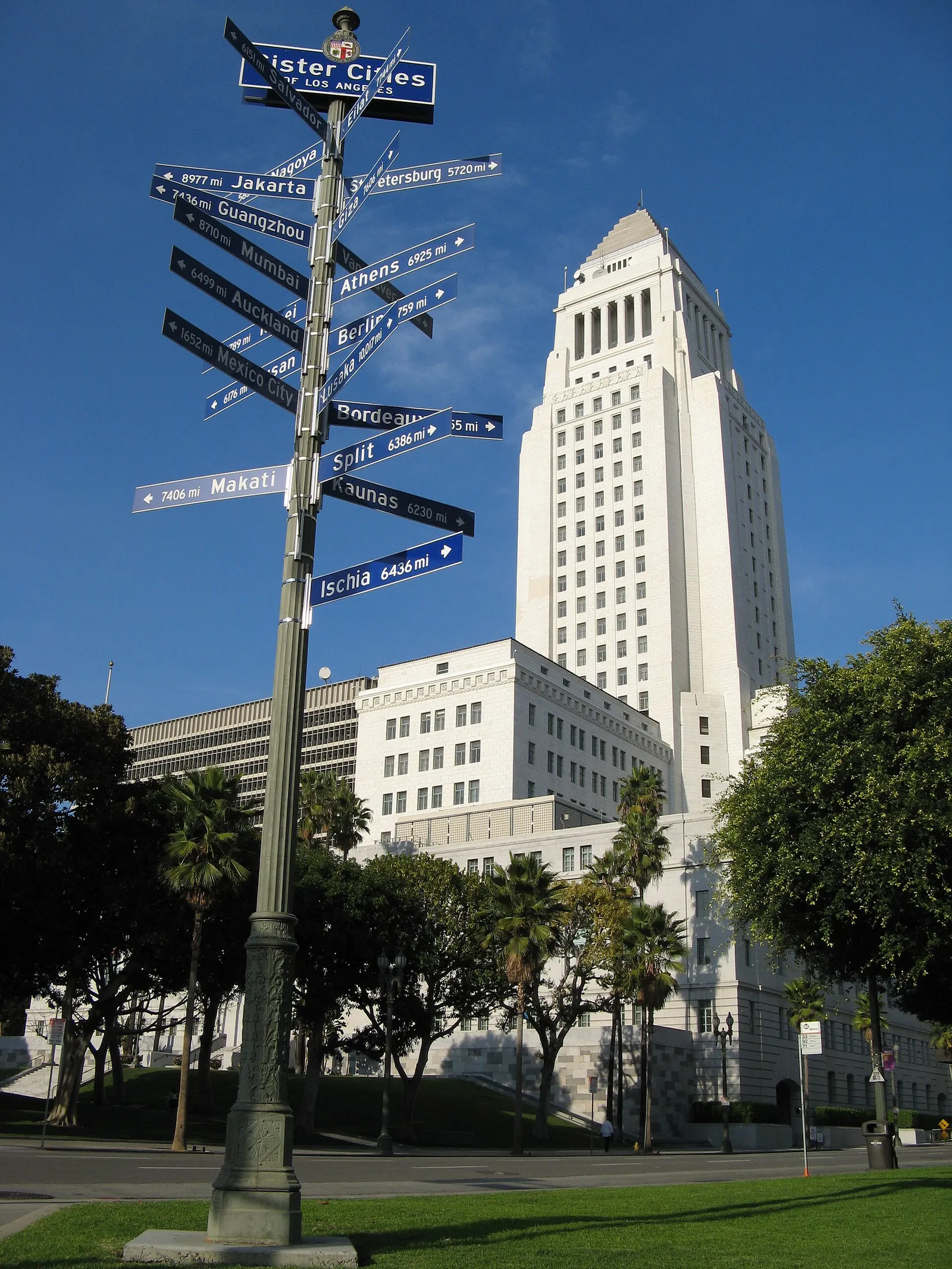
The procession ran from Los Angeles City Hall to Olvera Street, the historic heart of the city's Mexican-American community, with volunteers carrying dozens of empty cardboard coffins, a deliberate and somber image meant to stand in for lives lost. Hundreds took part, and the action extended beyond the march itself: registered nurses joined in Culver City, and supporters held a vigil at a Home Depot in Pasadena, a site of the kind where day laborers gather and where immigration enforcement has drawn confrontation.
"It's important for all of us as citizens to stand and speak" against normalization, said organizer Michelle Arkin. Jose Madera, an organizer from Pasadena, put the grief in collective terms: "These killings have affected all of us." A participant, Asher Law, described why he came: "I felt it was my duty ... to mourn the people who I've never known."
The two deaths, stated carefully
The march was organized in response to two men killed during separate immigration operations earlier in July: Lorenzo Salgado Araujo, who was fatally shot during an ICE operation in Houston, and Johan Sebastián Guerrero, who died during a separate ICE operation in Maine.
Here the Herald has to be precise about what is established and what is not. The available report describes both men as having been killed "during ICE operations," but it does not detail the exact circumstances of either death, and it does not include an account or confirmation from ICE or other federal officials assigning responsibility. Neither did federal authorities offer a statement in the report. So what is solidly documented is that two men died in the course of immigration enforcement this month, that their deaths are the reason people marched, and that the marchers hold the operations responsible. The precise facts of how each man died are, at this stage, not fully laid out in the public account, and we are not going to characterize them beyond what is known.
Why it resonates here
Los Angeles has been a center of immigration enforcement and of the response to it, and a march that begins at City Hall and ends at Olvera Street is making a pointed statement about the city's own history and identity. The demonstration was, by the organizers' own framing, as much about refusing to grow numb as about any single demand, an insistence that deaths connected to immigration enforcement be treated as events that stop a city rather than ones it absorbs.
The Herald will report further verified detail on the two deaths as official accounts and investigations become available, and any response from federal authorities.