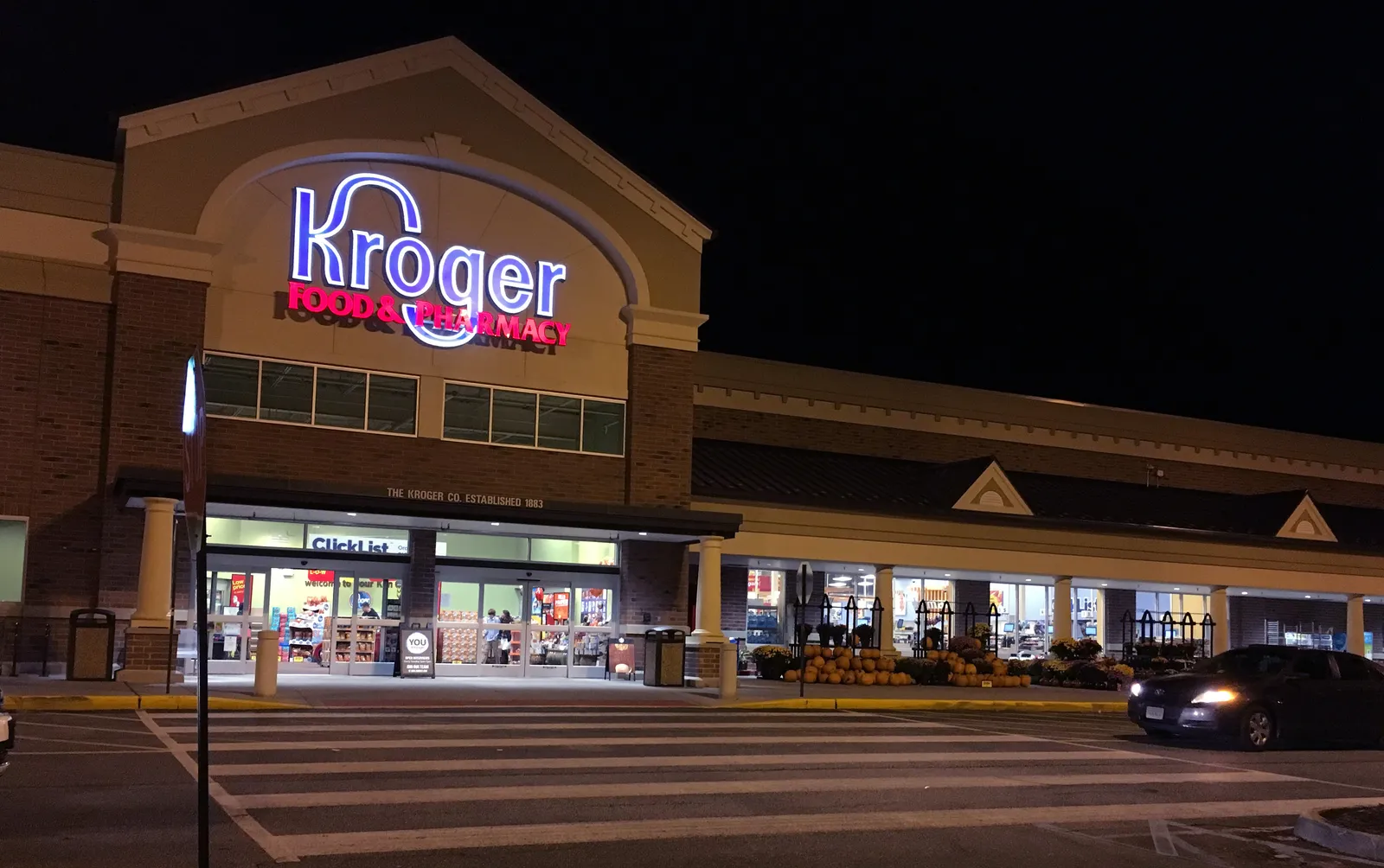
Kroger is trying to grow again — this time by absorbing a well-known regional chain rather than merging with a national rival.
The deal
Kroger has agreed to buy Giant Eagle for roughly $1.65 billion, CNBC reported. Founded in Pittsburgh in 1931 and long family-controlled, Giant Eagle runs more than 200 supermarkets — including its upscale Market District format — across Pennsylvania, Ohio, West Virginia, Indiana and Maryland, and employs roughly 37,000 people. The transaction is expected to close in 2027, subject to regulatory approval.
A second swing at growth
The acquisition comes after a federal judge in December 2024 blocked Kroger's proposed $24.6 billion merger with Albertsons, the second-largest U.S. chain, following opposition from the Federal Trade Commission. With that path closed, Kroger appears to be pivoting to a smaller, regional target that fills a gap in its map: the Cincinnati-based company operates more than 2,700 stores nationally under banners such as Ralphs, Fred Meyer and Harris Teeter, but has had a limited presence in western Pennsylvania and the Ohio Valley.
Antitrust scrutiny ahead
Given Kroger's recent history, the deal will draw close review. Regulators are likely to focus on markets where the two chains overlap, particularly around Cleveland and Pittsburgh. But Giant Eagle's roughly $11 billion in annual revenue is a fraction of Kroger's — well over $100 billion — and the combined company would still face Walmart, Costco and Amazon, factors that could weigh in the deal's favor. Divestitures of overlapping stores, a remedy Kroger offered in the Albertsons fight, may again be part of any approval.
What Giant Eagle brings
Beyond store count, Giant Eagle offers Kroger a brand with deep loyalty in Pennsylvania and Ohio, plus its Market District specialty format and established pharmacy and fuel-rewards operations that dovetail with Kroger's loyalty programs. Kroger has generally kept the names of chains it acquires — Harris Teeter and Fred Meyer still operate under their own banners — suggesting the Giant Eagle name may outlast its independence even if the deal wins approval.