Nvidia built the picks and shovels of the AI boom. Now it wants to build the ones for the robot age.
From data centers to the factory floor
The chipmaker — whose market value has swelled past $4 trillion on demand for AI hardware — is positioning itself as the infrastructure layer for what it calls "physical AI": systems that perceive the real world and act in it, from humanoid robots to factory machines and self-driving cars, MarketWatch reported. Chief executive Jensen Huang has declared "the era of physical AI is here" and repeatedly framed the opportunity as a multi-trillion-dollar market — a projection that reflects the company's ambitions rather than an audited forecast.
The stack
At the center is Isaac, Nvidia's suite of software for simulating, training and deploying robots, paired with GR00T, a family of foundation models built for humanoid machines that learn from physical demonstration and simulation rather than text. On the hardware side, Nvidia's Jetson chips serve as the on-board "brain" inside robots, and in June the company introduced a safety system it billed as the first full-stack offering for physical AI, Nvidia said. Bridging the two is Omniverse, a simulation platform where companies build "digital twins" of facilities to test layouts before spending on real hardware.
The partners
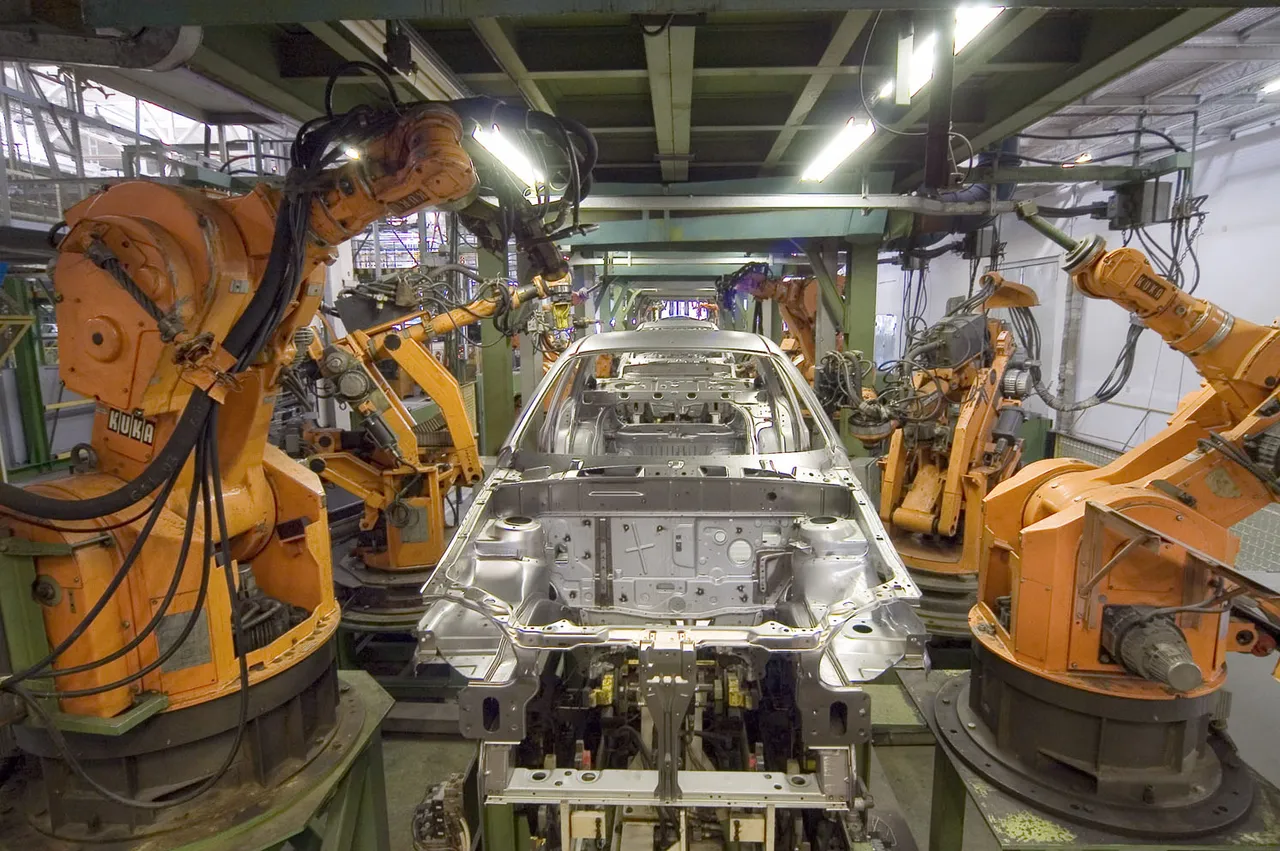
Nvidia has assembled a broad coalition. General Motors is using Omniverse to model its assembly lines virtually before retooling plants, the companies said, with CEO Mary Barra saying the AI helps GM "build smarter vehicles." Amazon has used Nvidia's simulation tools to speed a warehouse robot from concept to deployment in about a year, and humanoid-robot makers including Figure AI and Agility Robotics, along with manufacturers such as Caterpillar, Toyota and Foxconn, are part of Nvidia's push.
The caveats
Skeptics warn the industrial transformation may not arrive as fast as the marketing implies. Physical AI faces friction that software alone does not — hardware integration costs, lengthy safety certification, workforce questions and the messy variability of real factories. Analysts also note robotics is still a small slice of Nvidia's revenue next to data-center chip sales, meaning the stock's valuation rests mainly on the AI-training market; Nvidia shares slipped about 1 percent on July 1 amid broad chip-sector profit-taking. Huang's "trillion-dollar" framing, in other words, is a bet on the future, not a description of the present — and whether it pays off in five years or twenty is the open question the company is wiring its next chips to answer.