

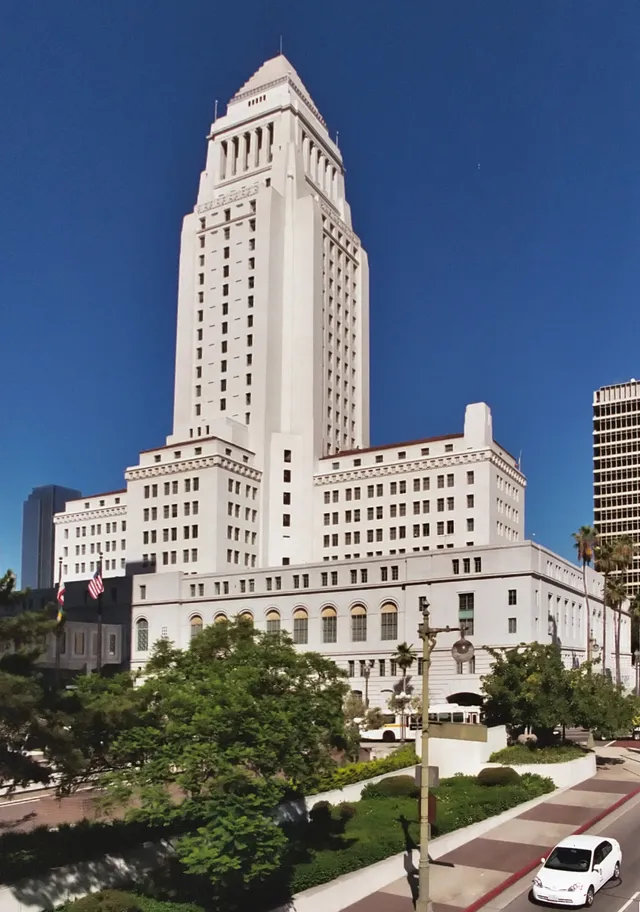
Los Angeles is finally putting its "mansion tax" revenue to work. The city has approved about $544 million in spending from the tax on high-end property sales, the Los Angeles Times reported — even as the levy faces a renewed fight over its future.
The single largest commitment is about $361 million for some 80 affordable housing projects expected to build or preserve thousands of units, which Mayor Karen Bass signed off on this spring. The rest is directed to tenant assistance, eviction defense and homelessness prevention.
What the mansion tax is
Approved by Los Angeles voters in November 2022, Measure ULA imposes a tax on property sales above roughly $5.3 million, rising to a higher rate on sales above about $10.6 million, with the thresholds adjusted for inflation. The revenue is dedicated to affordable housing and renter assistance. The name reflects the campaign behind it, "United to House LA."
Since taking effect in April 2023, the tax has generated more than $1 billion, according to the Commercial Observer, though the city was slow to spend it — one reason the recent spending approvals are significant. Supporters say the money is now reaching tenants. Critics have long argued the tax discourages the apartment construction the city badly needs.
A close call at the ballot
The spending milestone arrives after months of maneuvering over whether to change the tax itself. Earlier this year, Councilmember Nithya Raman proposed putting a revised version before voters that would have exempted newly built apartments and mixed-use projects from the tax for a period of years, arguing the levy was chilling housing development. "Ignoring the very real impacts on apartment construction doesn't protect Measure ULA. It weakens it," she said.
The council declined to advance that proposal to a June ballot. But in June, it voted 9-5 to draft ballot language for a November measure that would give new multifamily and mixed-use buildings a multi-year exemption — a step its backers called a middle ground and opponents called an unnecessary weakening of a tax just three years old. The city's housing department estimated the exemption would reduce revenue only modestly.
A bigger threat statewide
Looming over the local debate is a statewide ballot measure backed by the Howard Jarvis Taxpayers Association that would sharply cap municipal transfer taxes — effectively eliminating Measure ULA — and raise the threshold for approving future local taxes, CalMatters reported. The state's nonpartisan Legislative Analyst's Office has estimated it could cost local governments billions of dollars a year.
Jon Coupal, the association's president, has cast the LA tax as a prime example of what the measure is meant to stop. Supporters of Measure ULA counter that the statewide effort is aimed at gutting local revenue altogether. With the city now committing hundreds of millions to housing and tenants, both sides are bracing for a November fight that could decide whether the mansion tax survives at all.