Los Angeles property owners have decisively rejected a proposed increase to the city's streetlight assessment, a vote that leaves the Bureau of Street Lighting without the new revenue it says it needs to fix outages faster and modernize an aging network.
A lopsided result
When the city tallied the weighted ballots, nearly 80% of the vote rejected the increase, according to LAist. Turnout was modest: of roughly 580,000 properties that received a ballot, just under 167,000 — fewer than 30% — returned one. The result was announced as the City Council took up the measure on June 26.
What was on the ballot
The streetlight assessment currently raises about $45 million a year, a figure that has changed little in decades. The bureau told the city it needed close to $112 million for the coming fiscal year alone — more than double what it now collects — to keep pace with rising labor, materials and electricity costs. The Los Angeles Times reported the proposal as roughly an $80-million increase in annual funding. A typical single-family homeowner pays about $53 a year under the existing assessment; the increase would have raised that bill.
How the weighted vote works
The vote was conducted under Proposition 218, the 1996 state measure that requires property-owner approval before a city can impose or raise a special assessment. Crucially, the ballots are not counted one per parcel. Each is weighted by the dollar amount the property would be assessed, so owners of larger commercial and multifamily buildings — who would pay the most under the new schedule — carried proportionally more weight in the final tally. Because only returned ballots count, the owners who did not vote had no effect on the outcome.
What it means for repairs
With the measure defeated, the bureau said it will "operate within its parameters" — in other words, the status quo. That has practical consequences. It currently takes about a year from the time a broken streetlight is reported to when it is repaired, LAist reported. Had the assessment passed, the bureau had planned to shrink that timeline to roughly a week for simple repairs and to expand its repair crews. Neither will now happen.
Copper-wire theft has compounded the problem in recent years, knocking out stretches of lighting and driving up repair costs across the system.
Solar as a partial workaround
Mayor Karen Bass has pursued a separate track to chip away at the backlog. In March she announced a plan to convert 60,000 streetlights to solar power within two years through a partnership with the Department of Water and Power, with hundreds of solar lights already installed near city parks by late spring. Solar fixtures need no grid connection and are less vulnerable to wire theft.
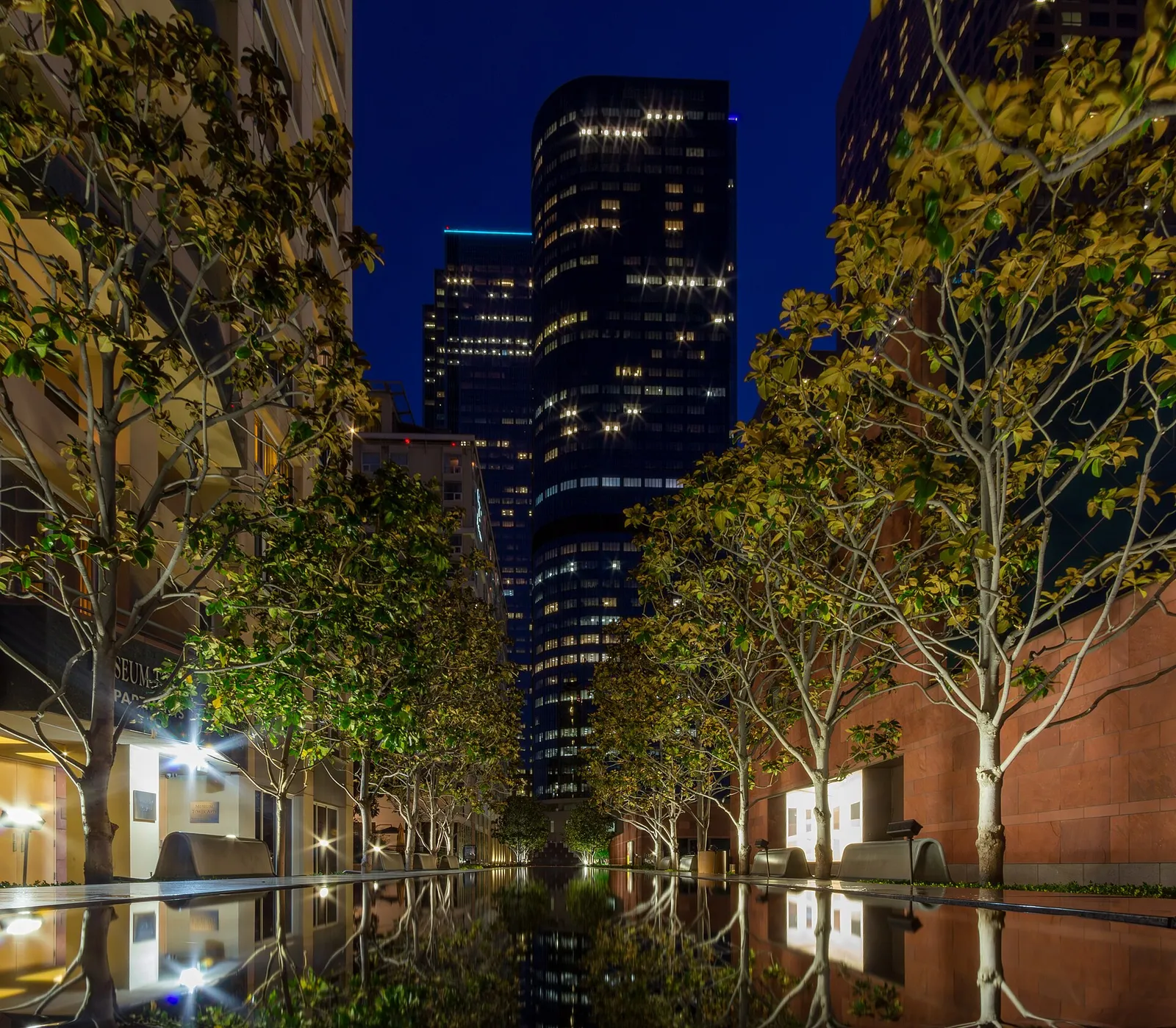
In a joint statement, the mayor and council members said "every Angeleno deserves to feel safe walking their dogs, returning home from work and parking their cars at night," and pledged that the city remained "committed to delivering the reliable street lighting that makes that a reality." How the city delivers on that promise without the new assessment revenue — across one of the largest municipal streetlight systems in the country — is the question the vote leaves unanswered.