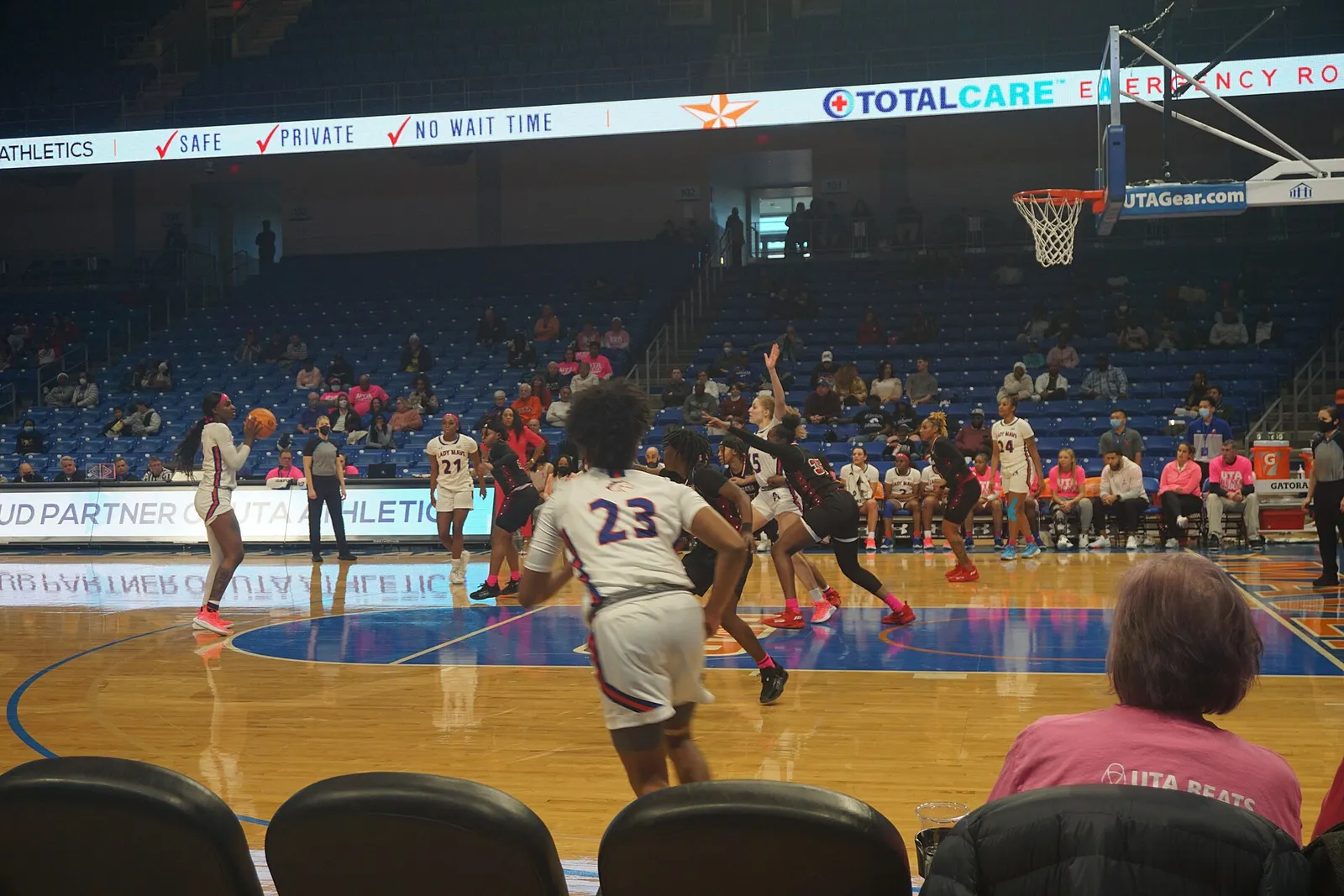
More than 100 Division I women's basketball players have signed union authorization cards through the United College Athletes Association, and on Friday one team turned that into a filing.
Oregon State's players petitioned the Oregon Employment Relations Board for recognition as a union and the right to bargain with the university. Ten of the team's 13 players signed. Players at Maryland and Indiana are among those involved elsewhere.
The distinction between signing a card and filing a petition matters. Most college athlete organizing over the past decade has stopped at the first. This is the second.
What they want
The stated demands are compensation, safety requirements and academic protections, plus a role in decisions that are currently made without them.
"We are professional athletes," said Maryland's Oluchi Okananwa. "Although the NCAA begs to differ, we are employees." Oregon State's Jenna Villa put the organizing case more simply: "We want one voice." Jada Williams, a transfer to LSU, framed it as governance: "Nobody should be making decisions without us."
The NCAA's position is that college sports is an educational extracurricular activity rather than employment, that schools could not absorb the cost of treating athletes as employees, and that many athletes do not want employee status.
Why Oregon, and why that matters here
The organizers did not pick Oregon State at random.
College athletes at public universities cannot go to the National Labor Relations Board, because the NLRB has no jurisdiction over state employees. Their route runs through state labor law, and only some states permit public employees to organize in a way that would reach an athlete. Oregon does. That is the reason the first filing is in Corvallis rather than anywhere else.
For Los Angeles, this is the whole question. UCLA is a public university, so a filing by its athletes would go to California's Public Employment Relations Board and would turn on California law and on whether that board considers a scholarship athlete an employee, which no California body has decided. USC is private, so its athletes would go to the NLRB, into the same federal question that has been open since Northwestern's football players tried it more than a decade ago and did not get a ruling on the merits.
Two schools eight miles apart would be litigating in two different systems under two different definitions of the same job.
What this is not, yet
No athlete anywhere has been recognized as an employee for collective bargaining purposes and kept that status through appeal. Oregon State can decline voluntary recognition, and the state board's decision, whichever way it goes, will be appealed by whoever loses.
What has changed is the ground the argument is being had on. Revenue sharing has already moved money directly to athletes, which makes the NCAA's position that this is an extracurricular activity harder to hold. The union filing does not depend on winning that argument in public. It depends on one state board's reading of one state's employment law, and then on the courts.