The first World Cup with 48 teams is also, by a wide margin, the best-attended — and Los Angeles has been one of its fullest houses.
A record-breaking group stage
The tournament's group stage, which wrapped up over the weekend, drew 4,645,449 fans across its matches in the United States, Canada and Mexico, FIFA said — the highest group-stage attendance in World Cup history, with the knockout rounds still to come.
The all-time cumulative record fell even before the group stage ended. On June 25, during a group match between Ecuador and Germany at MetLife Stadium in New Jersey, the tournament's running total reached 3,605,357 spectators, topping the previous record of 3,587,538 set 32 years earlier at the 1994 World Cup — also held in the United States.
FIFA also logged a single-day record: 281,223 fans passed through the turnstiles on June 16 across four matches, surpassing a daily mark that had stood since June 28, 1994, the federation said. Across the first 60 matches, venues averaged 99.7 percent occupancy.
Los Angeles delivered
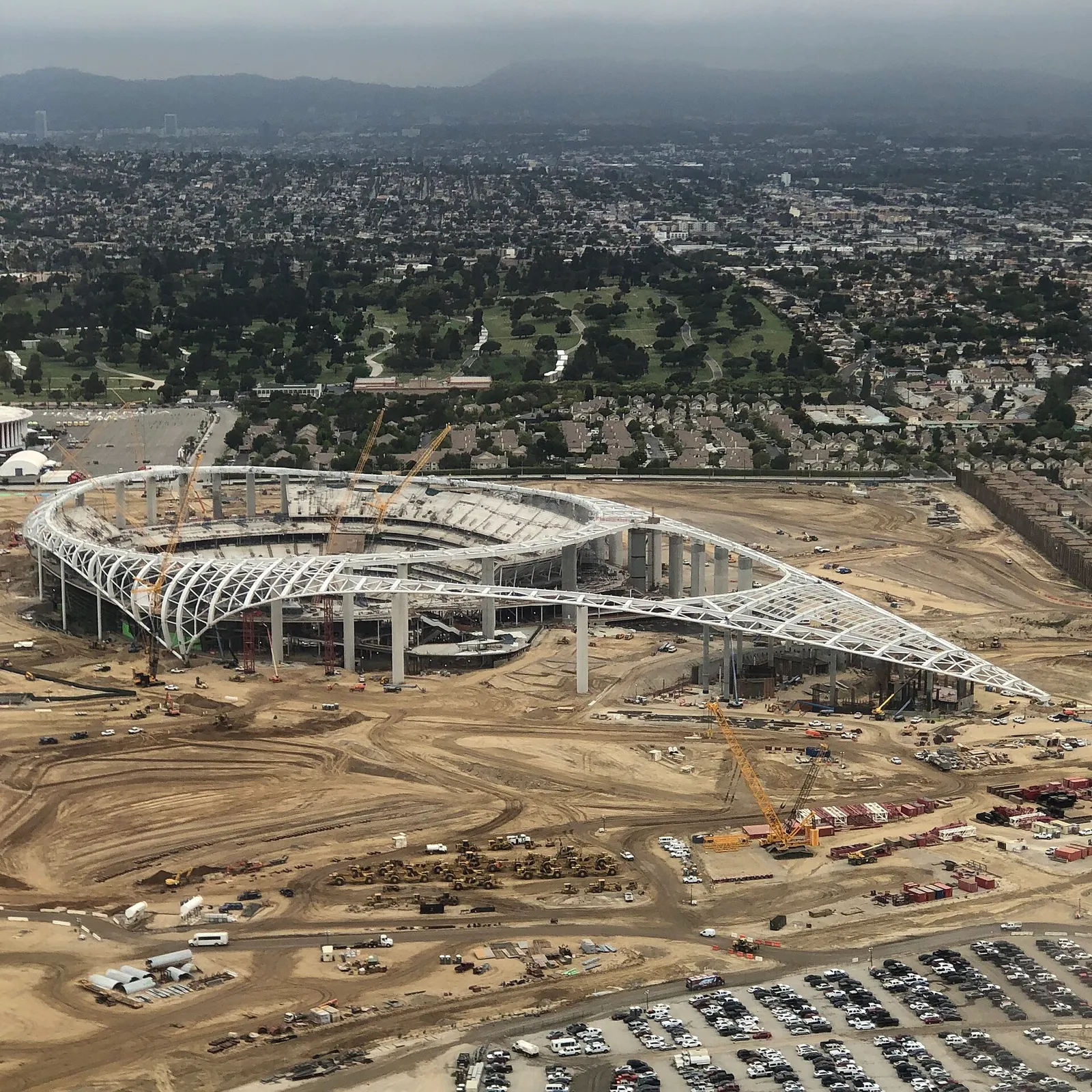
For a region that knows how to fill a stadium, SoFi Stadium in Inglewood — branded "Los Angeles Stadium" for the tournament under FIFA's sponsorship rules — was a showcase. The roughly 70,000-seat venue hosted a slate of group-stage matches, and the crowds turned out regardless of which national teams were on the pitch, keeping the building at or near capacity throughout.
The United States opened its tournament there before a packed house, and the venue stayed full through the group stage's twists — including the U.S. team's dramatic exit. SoFi's World Cup is not over: the stadium is slated to host knockout-round matches, meaning more sellout crowds, and more spending across LA's hotels, restaurants and transit, are still to come.
What the bigger field made possible
The numbers are a product of the expanded format. With 48 teams and 104 total matches — well up from the 64 of the old 32-team era — the 2026 World Cup simply offered more games, in more cities, for more fans. The risk was that the larger field would dilute demand; so far, it hasn't. From the New York area to Mexico City to Los Angeles, stadiums have stayed close to full.
The knockout rounds will test whether that momentum holds as the field thins. If the group stage is any indication, the host cities — Los Angeles among them — can expect the turnstiles to keep spinning.