

Walk down any grocery beverage aisle and the shift is hard to miss: the shelves once dominated by sugary sodas and energy drinks now bristle with cans promising gut health, muscle recovery, calm and focus. The "functional beverage" — a drink sold on what it does for you, not just how it tastes — has become one of the fastest-growing corners of the food business.
What counts as 'functional'
The category spans protein-spiked coffees, prebiotic sodas, electrolyte waters and drinks dosed with adaptogens like ashwagandha. What unites them is a health claim layered on top of refreshment. Market researchers peg the global functional-drinks market in the range of $150 billion to $165 billion in 2025; Grand View Research projects it could roughly double, to more than $300 billion, by the early 2030s, growing around 8.5% a year. (Estimates vary by firm and methodology.)
Starbucks bets on protein
No big brand has leaned in harder than Starbucks, which rolled out protein lattes and protein cold foam in late 2025, advertising up to 36 grams of protein in a grande, according to Fortune. The company has said the cold foam is selling briskly — a claim drawn from its own internal data — and has extended the idea into bottled, ready-to-drink versions. "Protein is certainly having a macronutrient moment," one rival coffee executive told Fortune.
The prebiotic soda wars
The loudest battle is in the sparkling aisle, where prebiotic "gut-health" sodas have drawn the giants. PepsiCo bought the brand Poppi in a roughly $2 billion deal, and Coca-Cola launched its own entry, while the other category leader, Olipop, reached a $1.85 billion valuation in its latest funding round — up from about $200 million in 2022, per Food Dive — on the back of roughly $400 million in 2024 sales and distribution across tens of thousands of U.S. stores.
What's driving it
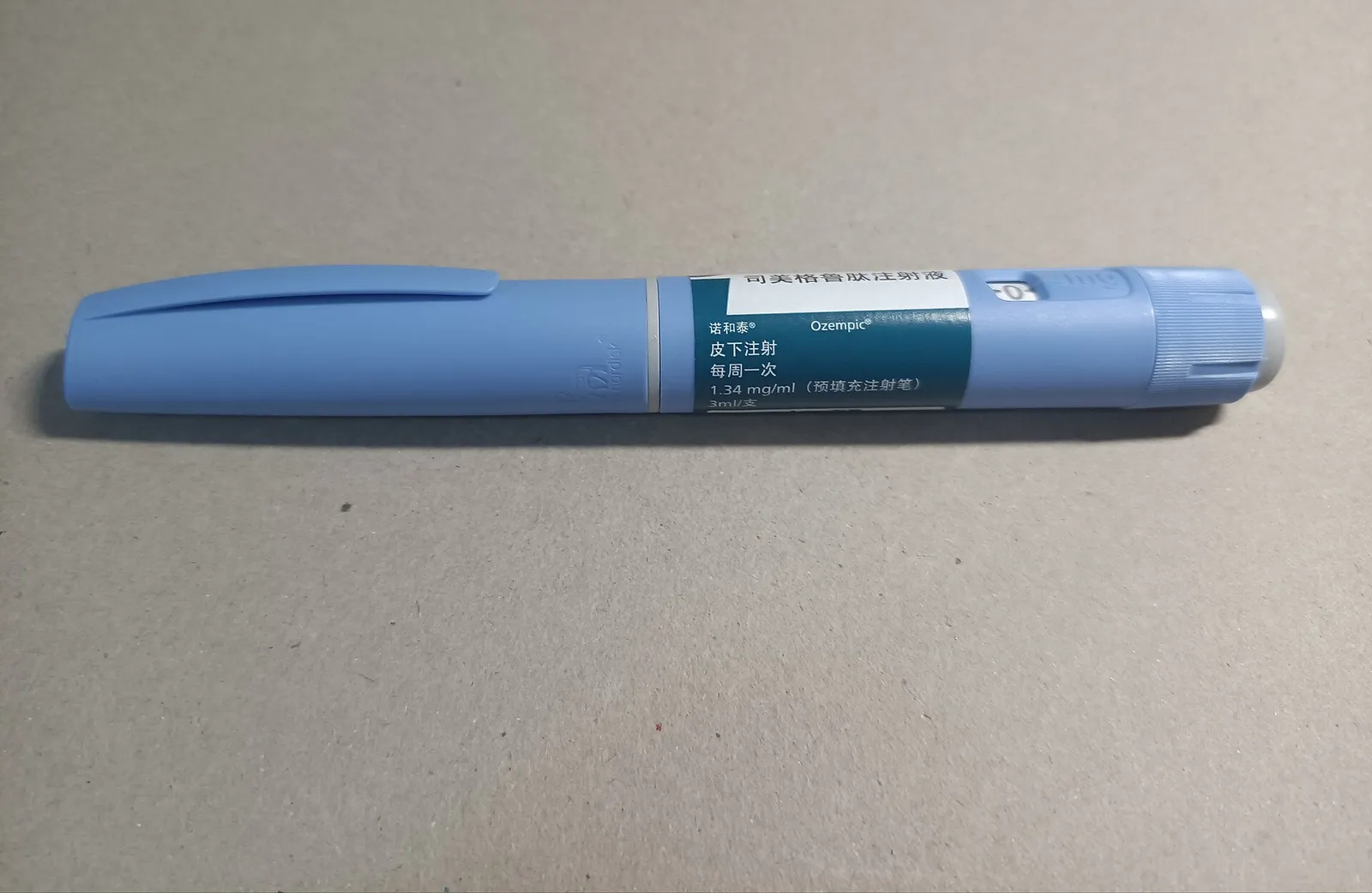
Analysts point to a few converging forces: a protein-obsessed younger generation, the rise of GLP-1 weight-loss drugs (which suppress appetite and, research suggests, can curb alcohol consumption, nudging drinkers toward nutrient-dense beverages), and the marketing power of social media, where a viral can can outrun any legacy brand's ad budget. The decline of alcohol among younger consumers has only widened the lane.
A note of caution
Not every promise on the label holds up. Regulators have tightened the rules: the U.S. Food and Drug Administration's updated definition of "healthy" took effect in 2025, and CBD-infused drinks sit in a legal gray zone because cannabidiol is the active ingredient in an approved drug, complicating its sale as a food additive. Nutrition scientists add a simpler caveat: real protein and fiber deliver real, if modest, benefits, but the more elaborate the wellness claim, the thinner the clinical evidence behind it tends to be. For shoppers, the smart move may be to read the nutrition label as closely as the marketing.